

Crafting Your Brand
Day Two
Purpose, Craft & Cultural Relevance
The outcome: a purpose-led, craft-powered position expressed with proof across a 360° customer journey.

Purpose of Day Two
Today we zoom out to context and zoom back into practice. We’ll trace the cultural shifts reshaping taste and trust, then translate them into brand language, product focus, and practical actions. You’ll map your brand universe and study digital storytellers. The outcome: a purpose-led, craft-powered position expressed with proof across a 360° customer journey.
Why do people buy now?
1.Meaning — what this purchase says about me and the world I want to help shape.
What it is: Identity resonance + purpose fit. Buyers look for brands that reflect their values, rituals, and aspirations.
Signals in product: Clear POV; edit that makes sense; seasonless heroes; naming that ties to place/people/technique.
Signals in storytelling: Plain-language “why,” beneficiaries named (who wins when you win), maker voices, cultural context, service promises.
Proof/metrics to watch: Saves/shares/replies that say “this is me,” newsletter replies, community posts, repeat purchase of hero items.
Pitfalls: Vague “heritage,” buzzwords without specifics, claiming too many values at once.
2. Tactility — how it feels in hand and on body; the sensory calm people seek.
What it is: Texture, weight, drape, temperature, sound (snaps/zip), and how it ages.
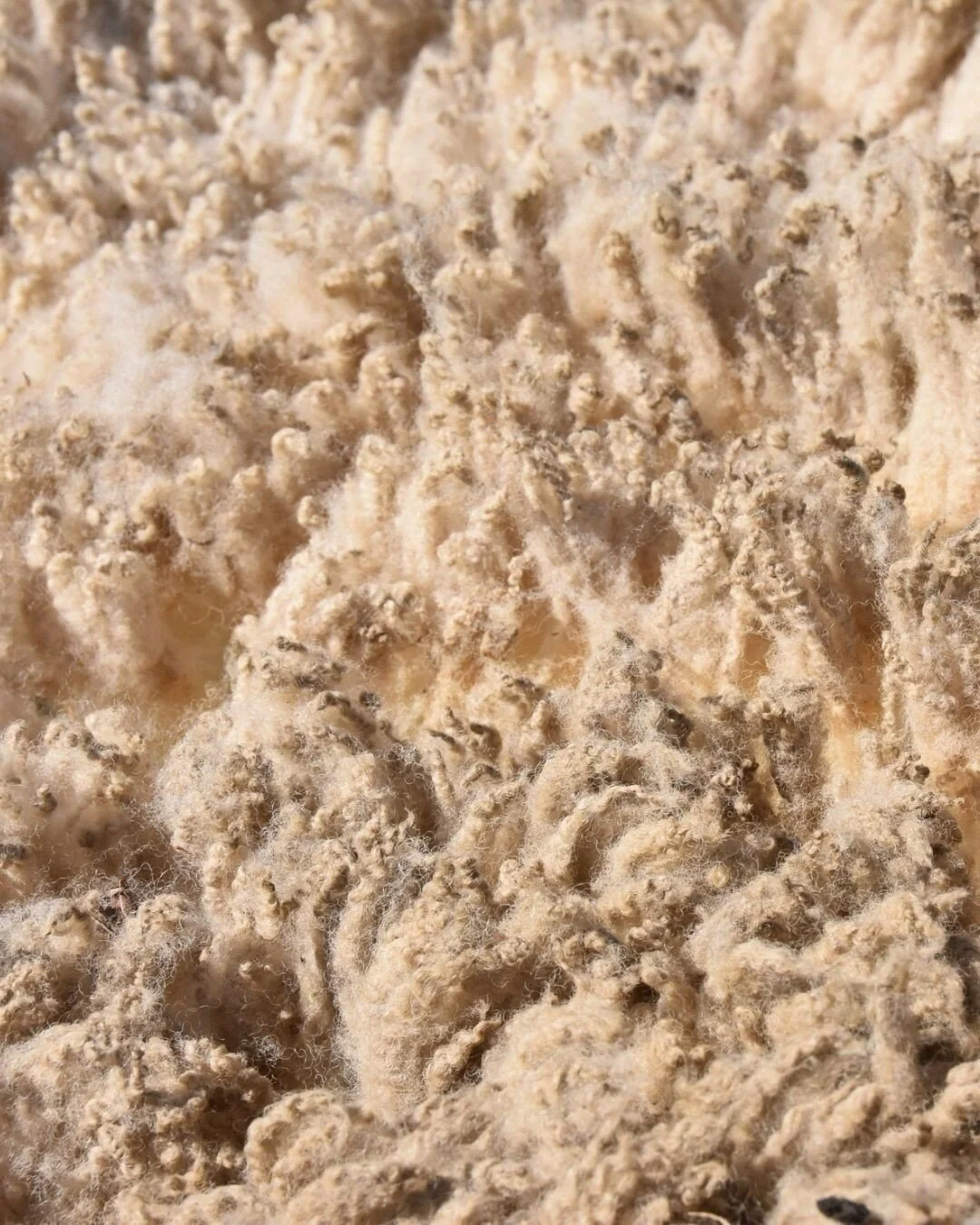
Signals in product: Natural fibres, visible handwork, ergonomic finishes, repairable construction, patina-friendly materials.
Signals in storytelling: Macro detail shots, tryon language about feel (soft/weighty/breathable), care rituals, sound of closures, fabric swatch cards.
Proof/metrics to watch: Reviews that mention touch/comfort/fit, lower return rate due to “feel,” dwell time on detail videos.
Pitfalls: Overretouching textures, plasticy hand, itchy seams, complicated care with no guidance.
3. Proof — receipts that what you say is true.
What it is: Traceability + transparency + accountability over time.
Signals in product: Maker credits by name, origin tags, time-to-make, component list, warranty/repair, product passport/QR.
Signals in storytelling: Process videos, cost/time breakdowns, thirdparty features, customer weartests, before/after repairs.
Proof/metrics to watch: Clickthrough to “proof” content, conversion after proof views, warranty uptake, reduced returns.
Pitfalls: Certification theatre, oneoff audits without followup, hiding tradeoffs.
SUSTAINABILITY
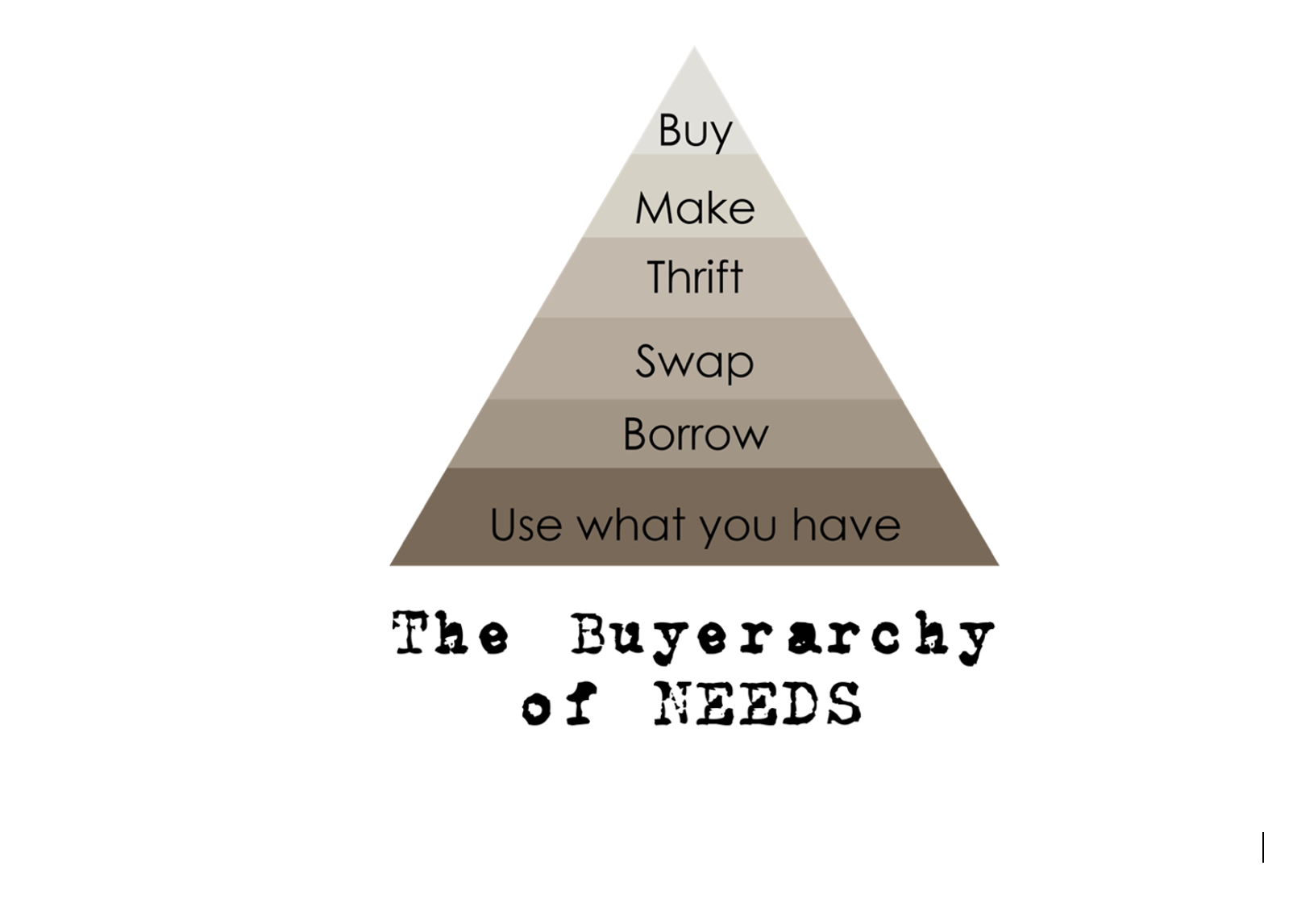
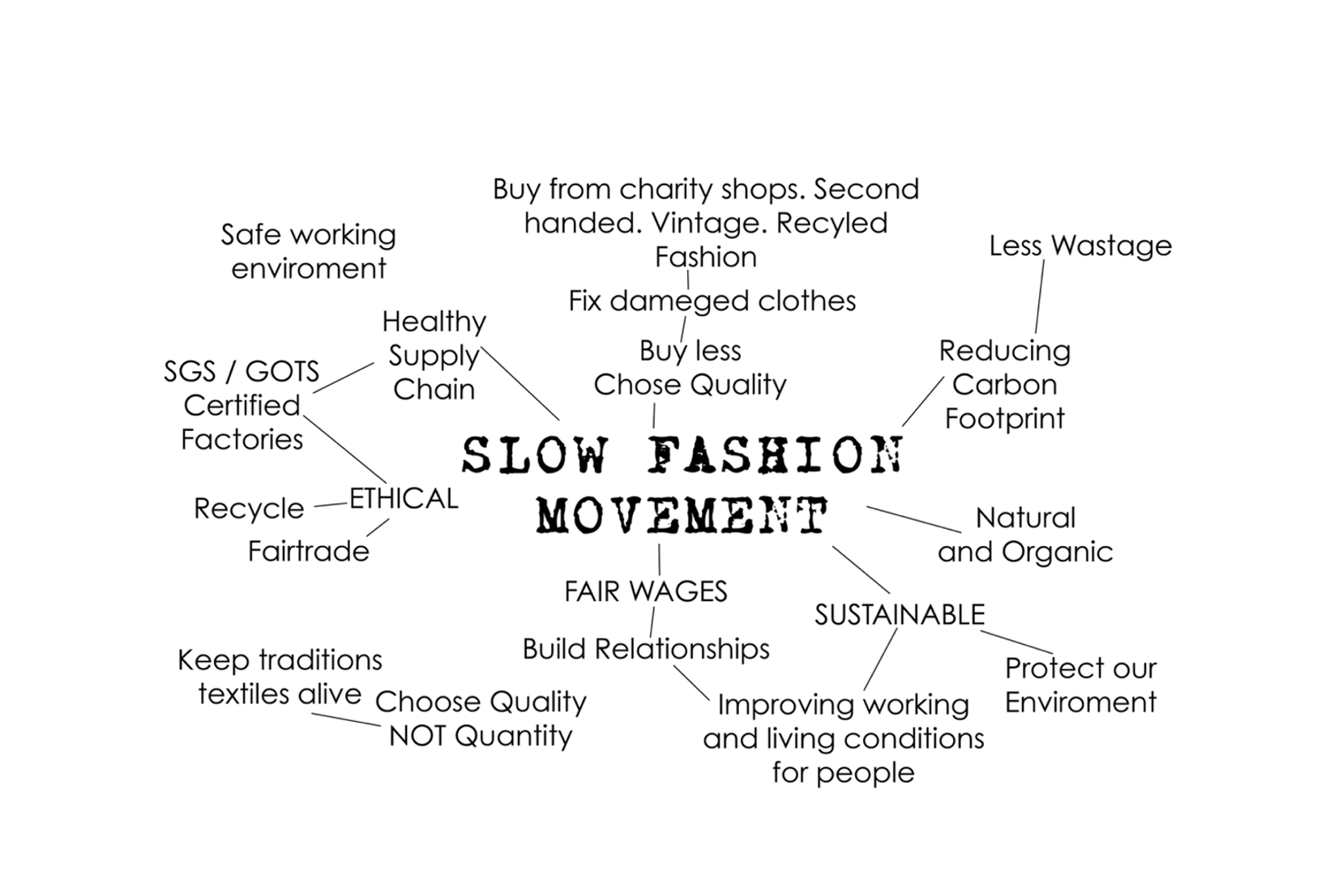
SUSTAINABILITY is expected; purpose is the differentiator. Human touch wins in a noisy, automated world. We design for fewer, better (premiumisation / silent luxury), wellness-aligned mood, and radical transparency.
Slow fashion was named by researcher Kate Fletcher in 2007, drawing inspiration from Carlo Petrini’s Slow Food. It arose to counter fast fashion’s waste and labor abuses, a crisis made painfully visible by the 2013 Rana Plaza factory collapse. Activists like Fashion Revolution founders Carry Somers and Orsola de Castro mobilized consumers with #WhoMadeMyClothes, while pioneers such as Safia Minney’s People Tree showed transparent, fair production is possible. In practice it means buying fewer, better pieces, paying makers fairly, and keeping garments in use longer.

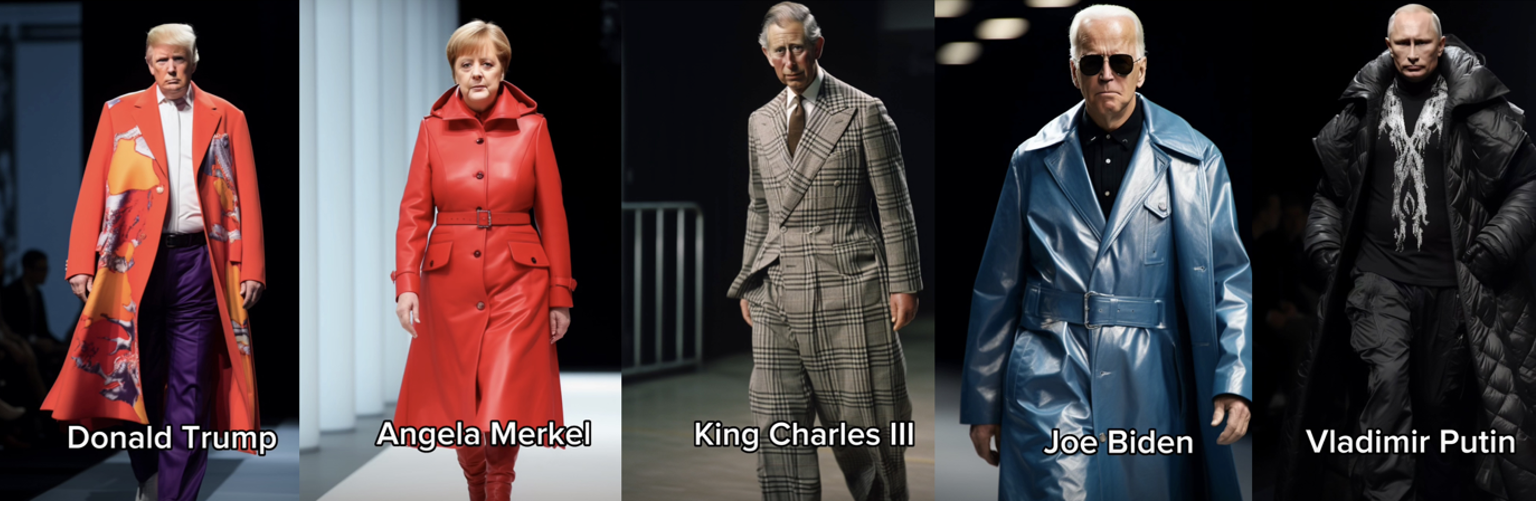
Macro Shifts Shaping Demand
Climate urgency & disruption: affects materials, insurance, logistics, lead times.
From overproduction → right-production: preorder, made-to-order, tighter SKU edits.
AI across the pipeline (research→design→sampling→service) with rising expectations for disclosure and human stewardship.
Home as oasis endures; tactility and restoration lead.
Discovery goes social-first: visual search, short video, live shopping; creators as channels.
Privacy shift: less third-party data → build zero-party relationships (email, SMS, communities).
Retail media & creator commerce mature; UGC licensing & creator partnerships become core.
Membership & community (clubs, drops, early access) reset DTC beyond discounts.
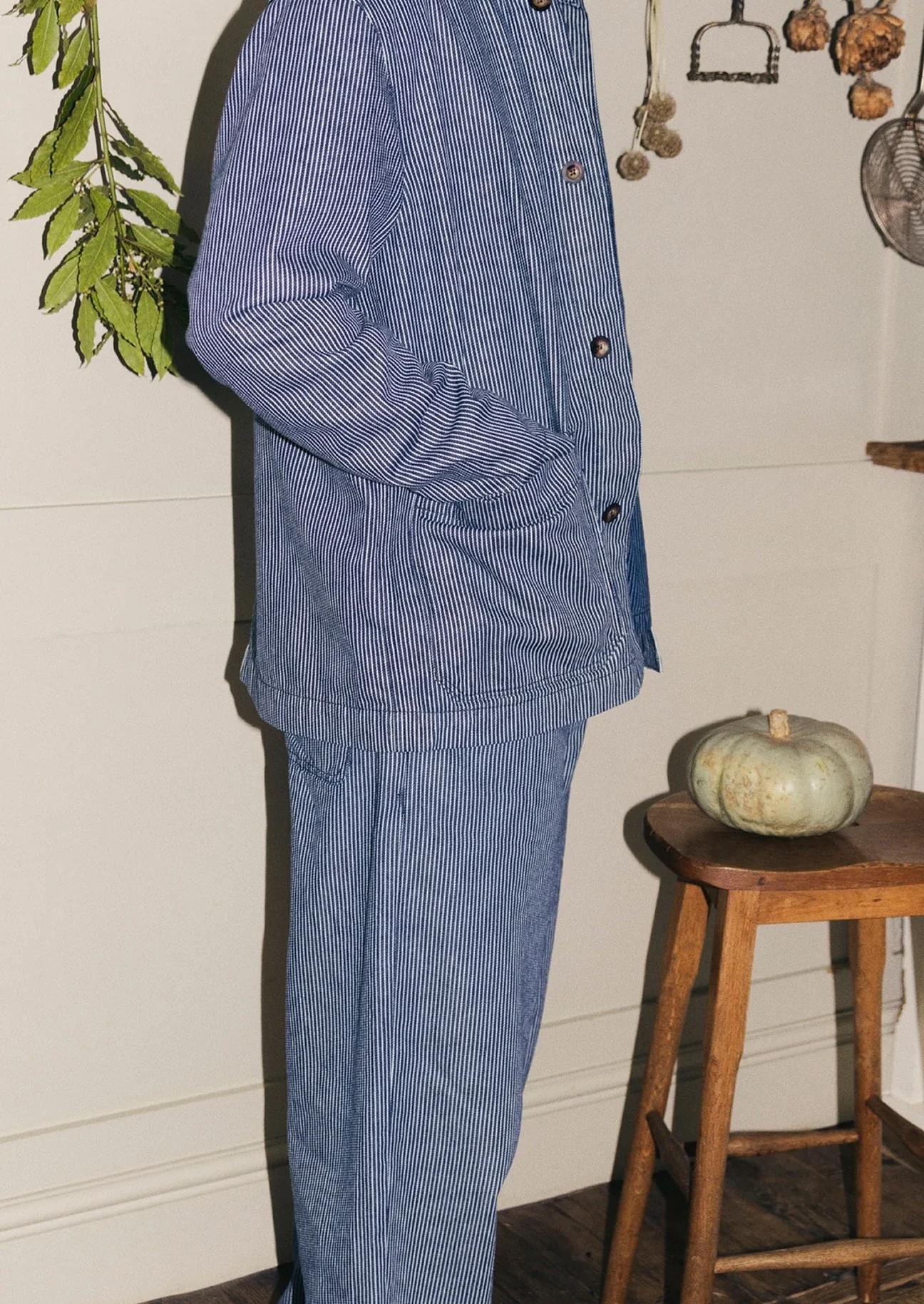
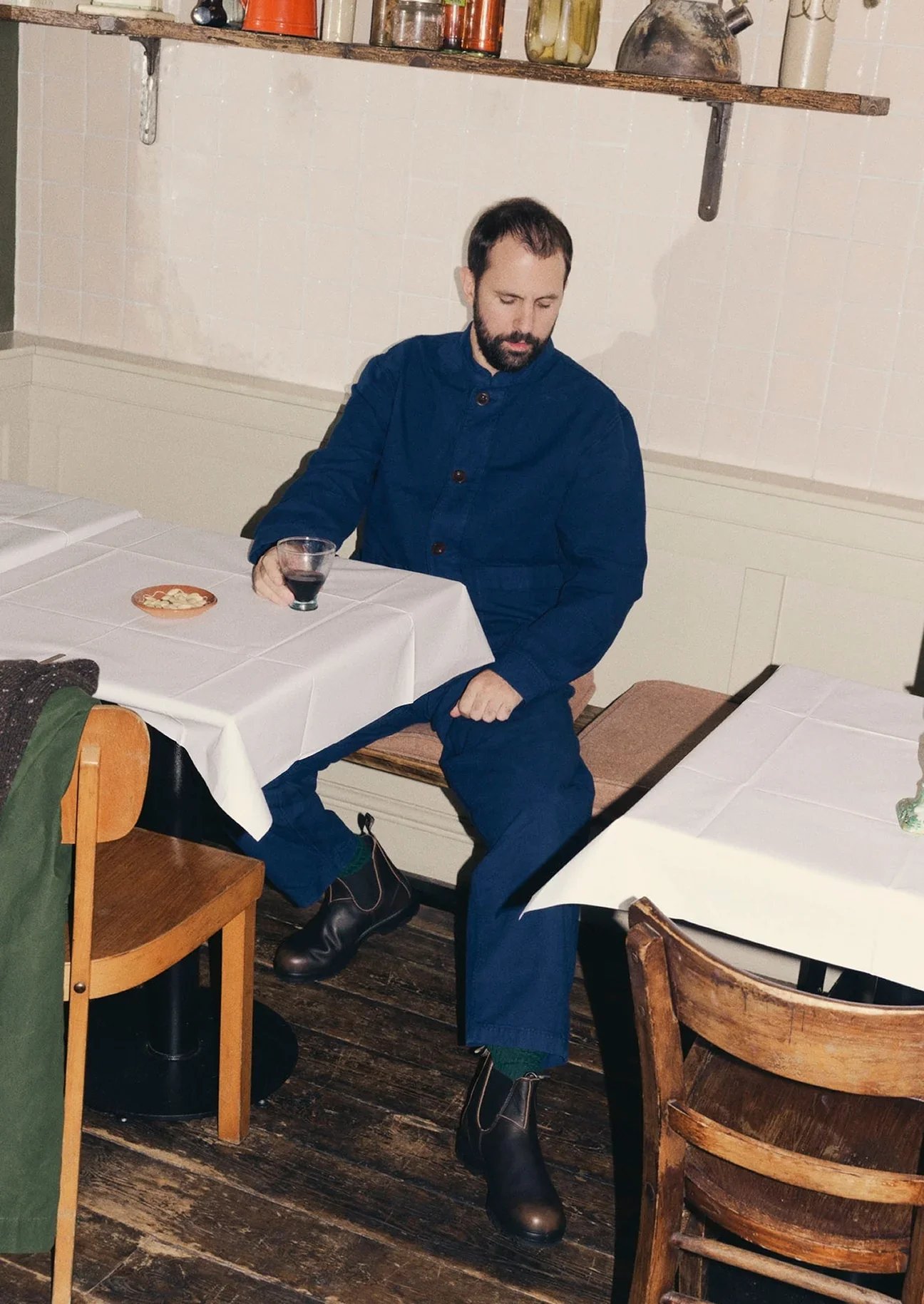
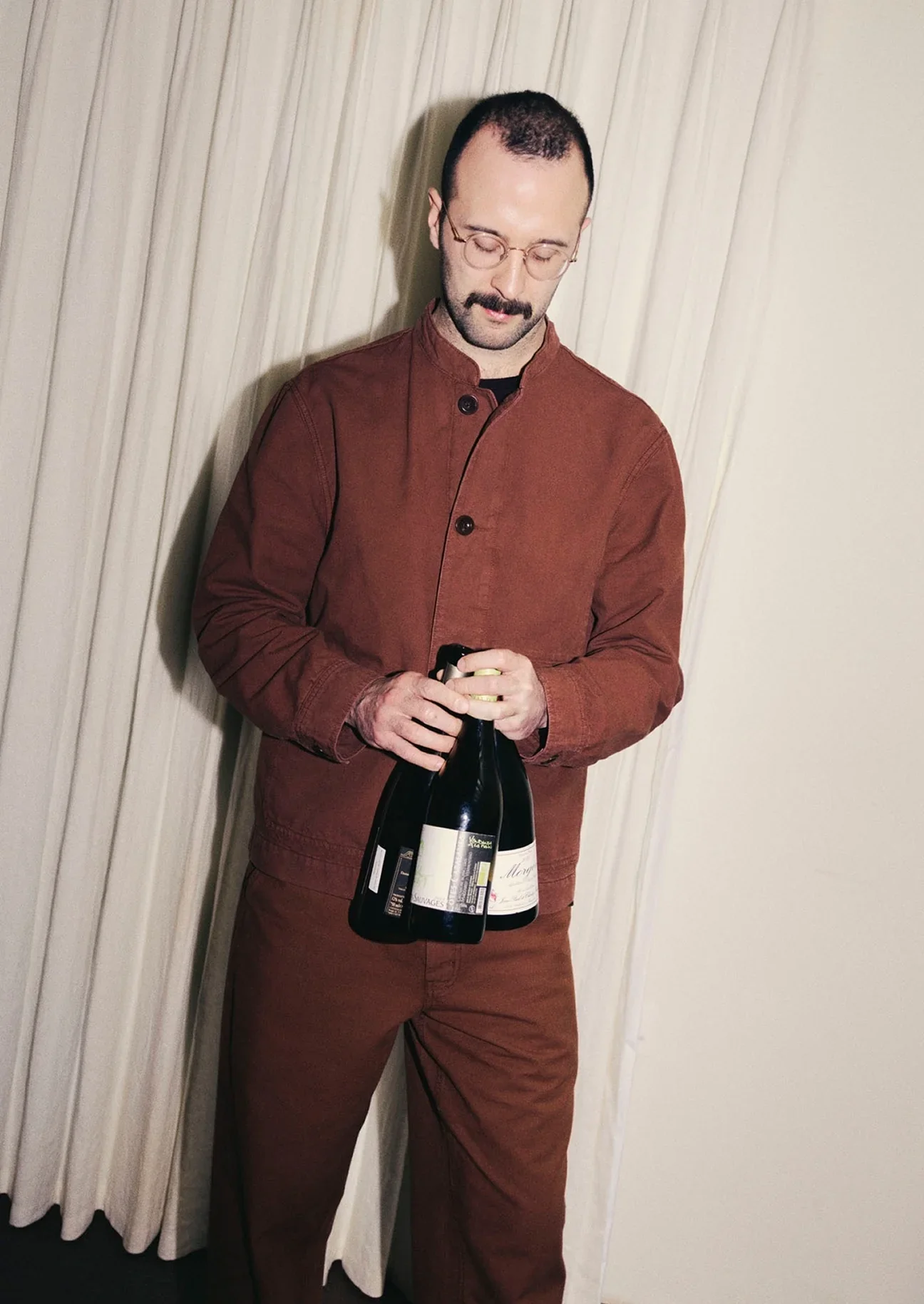


Everyday Rituals & Table Culture
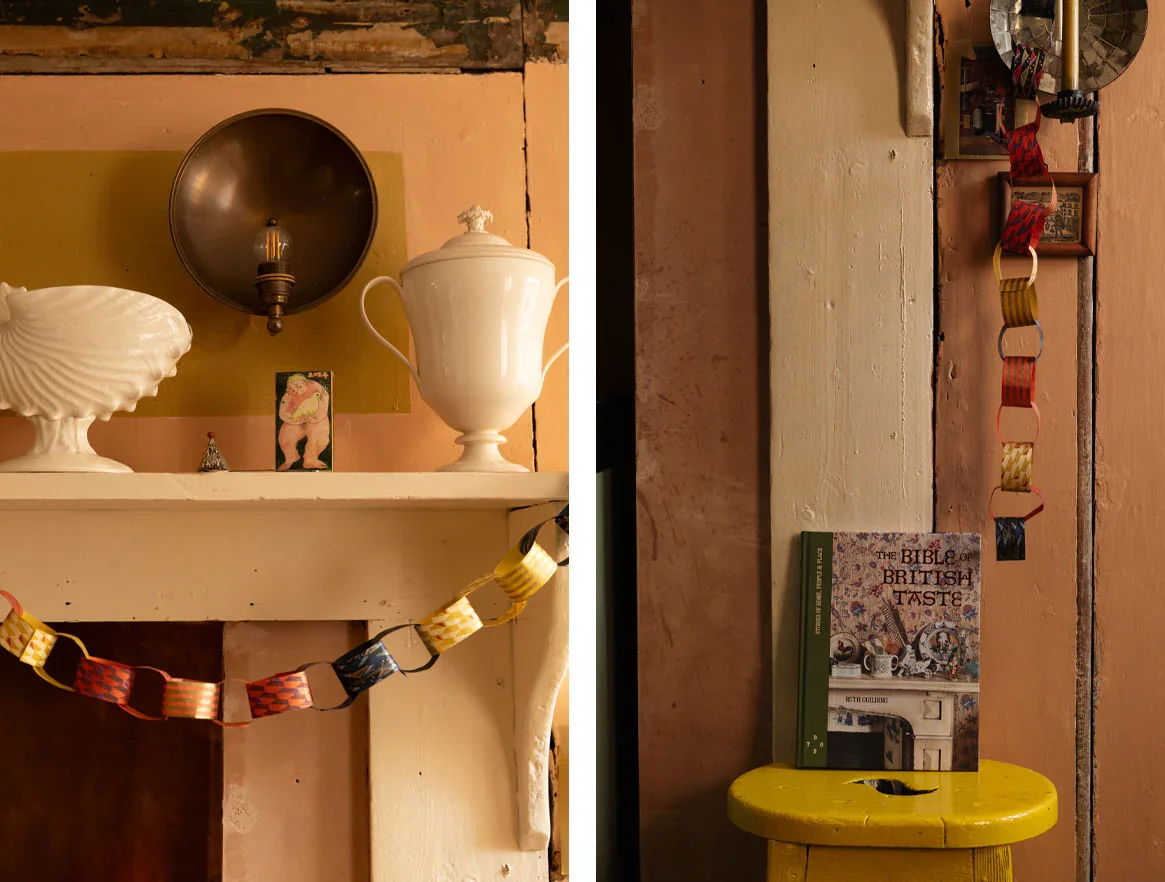
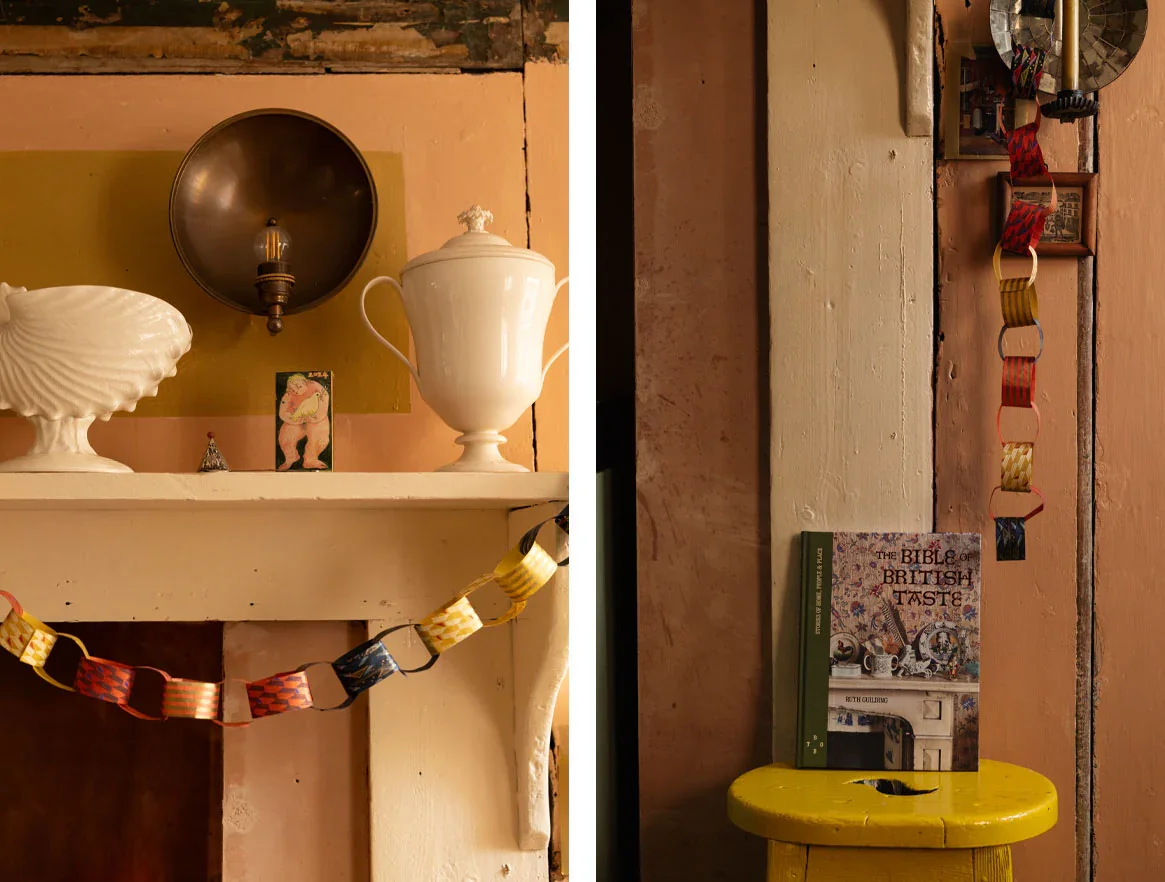
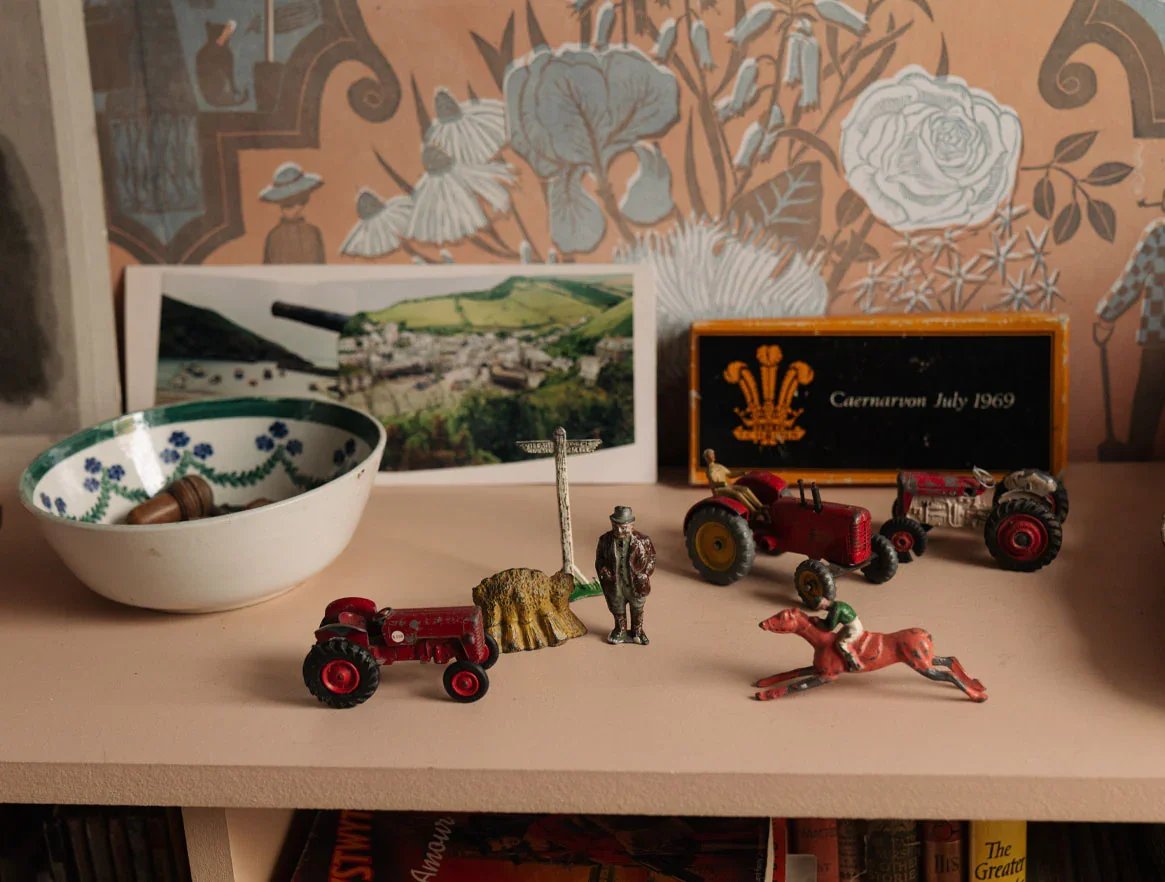
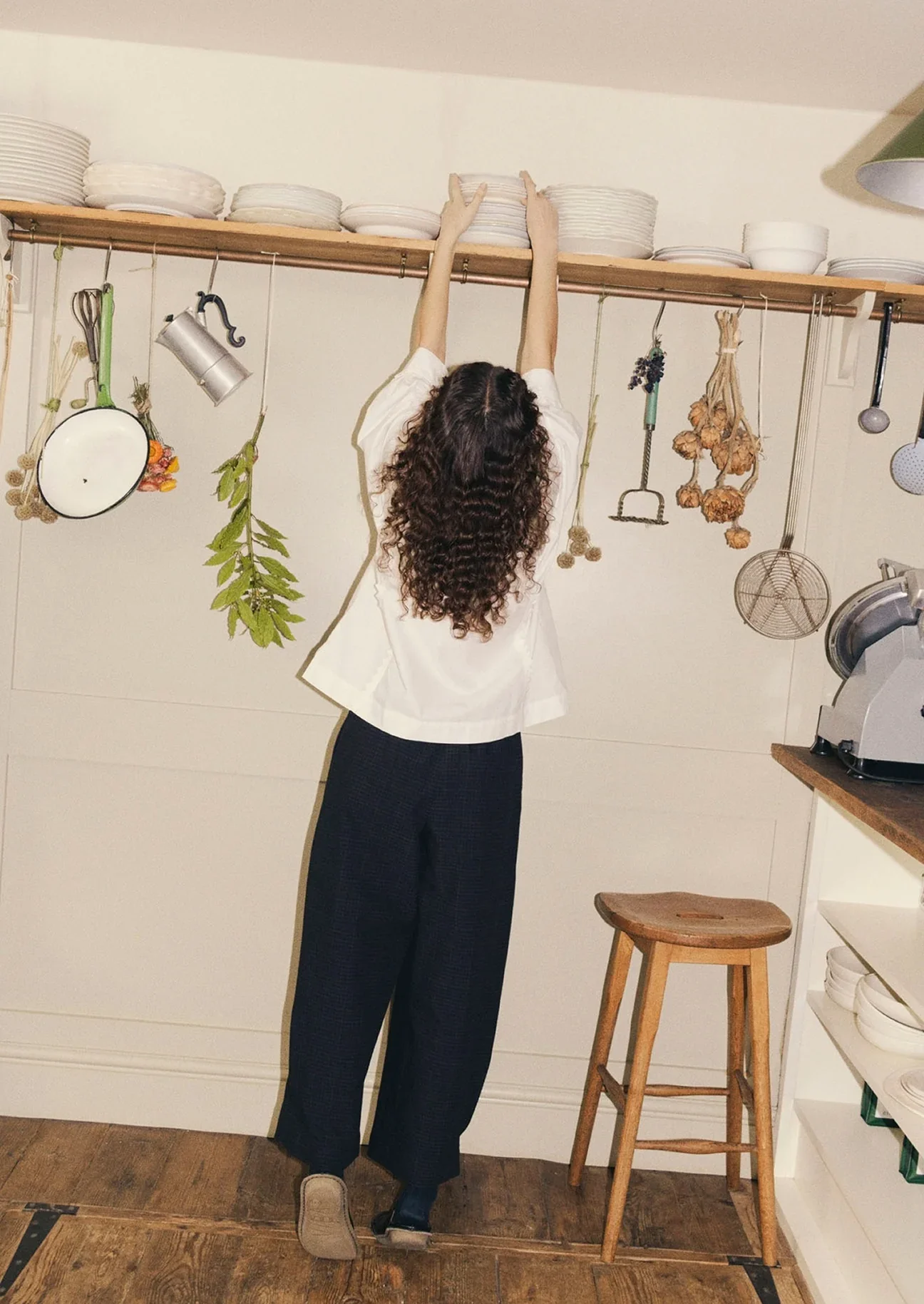
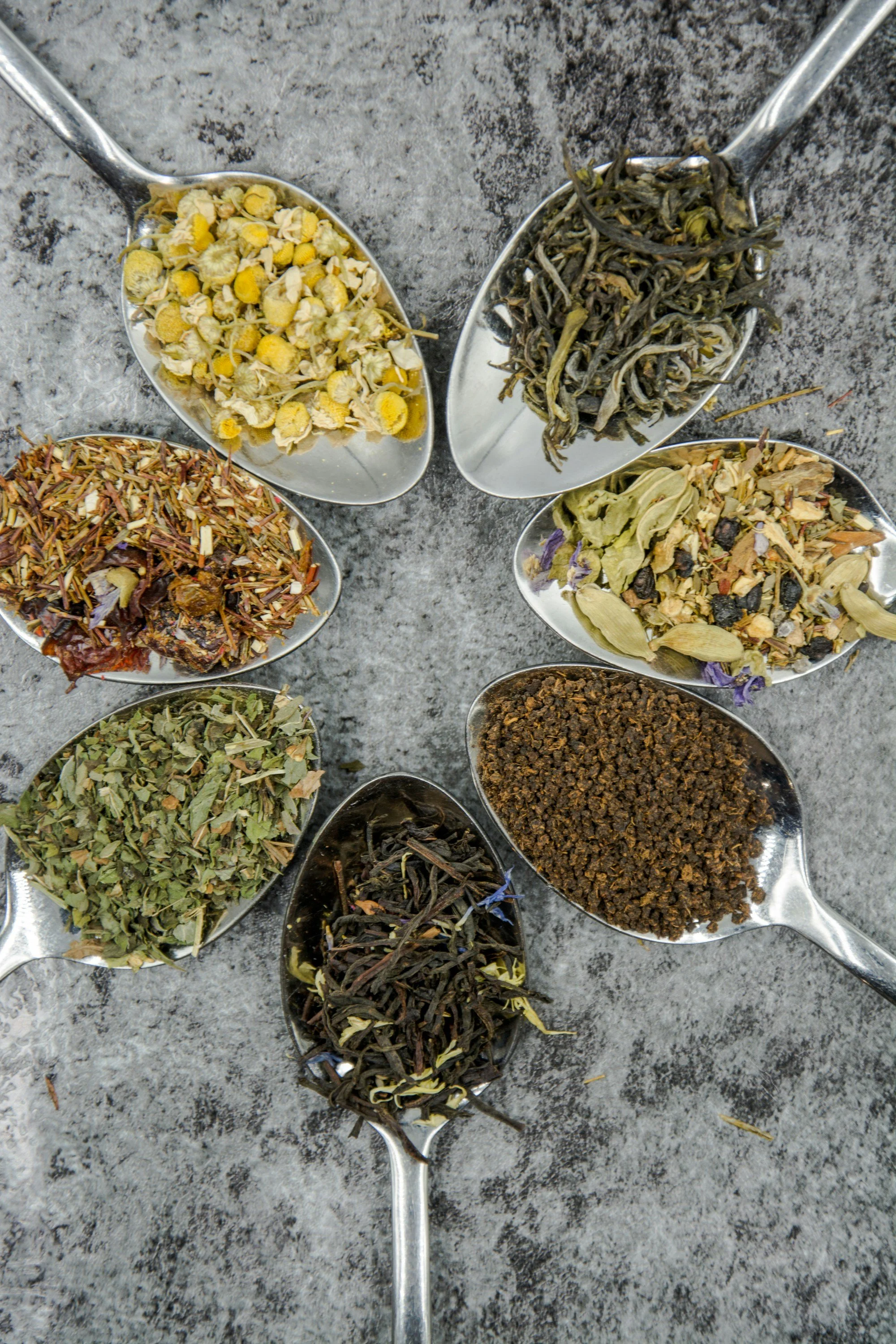
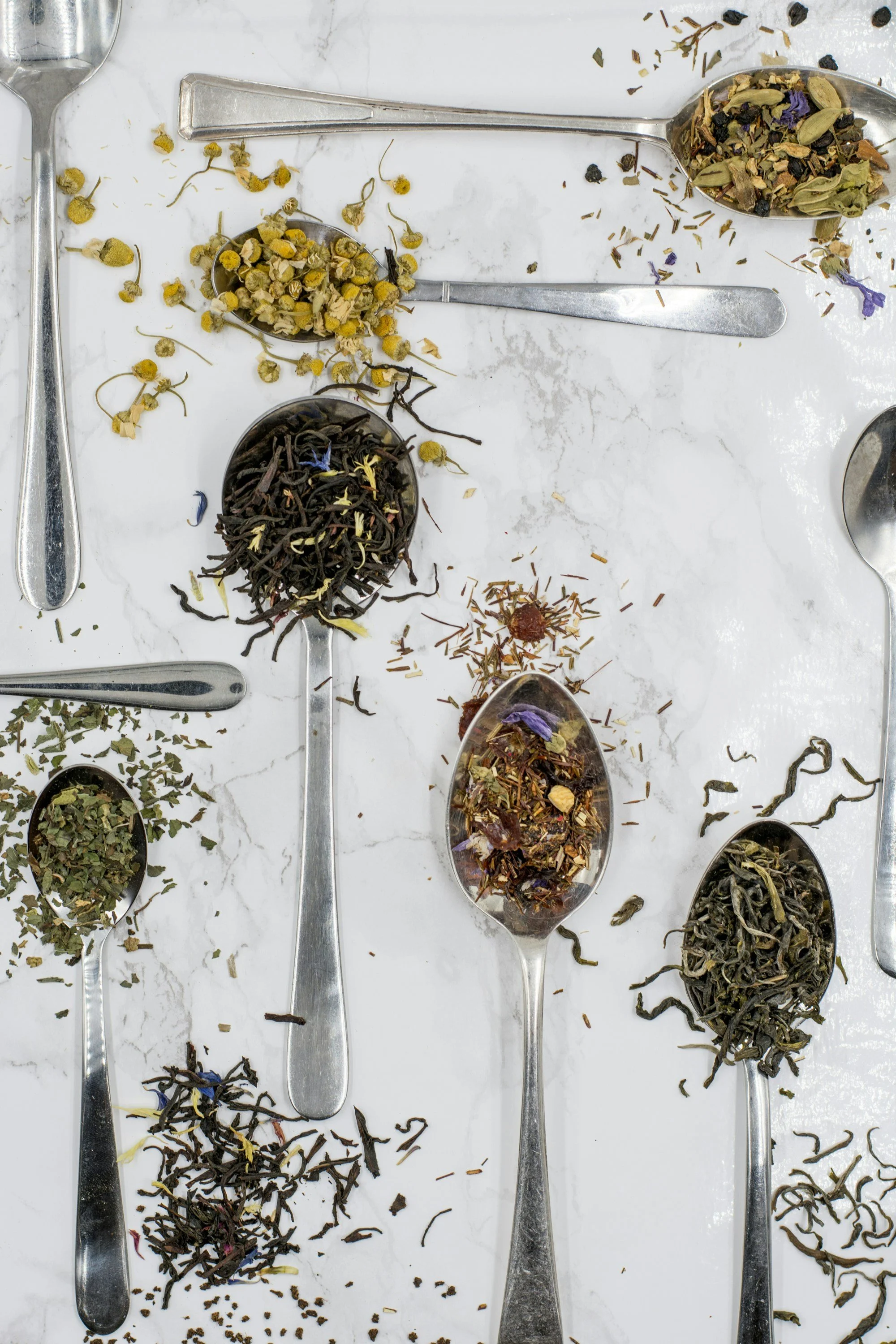
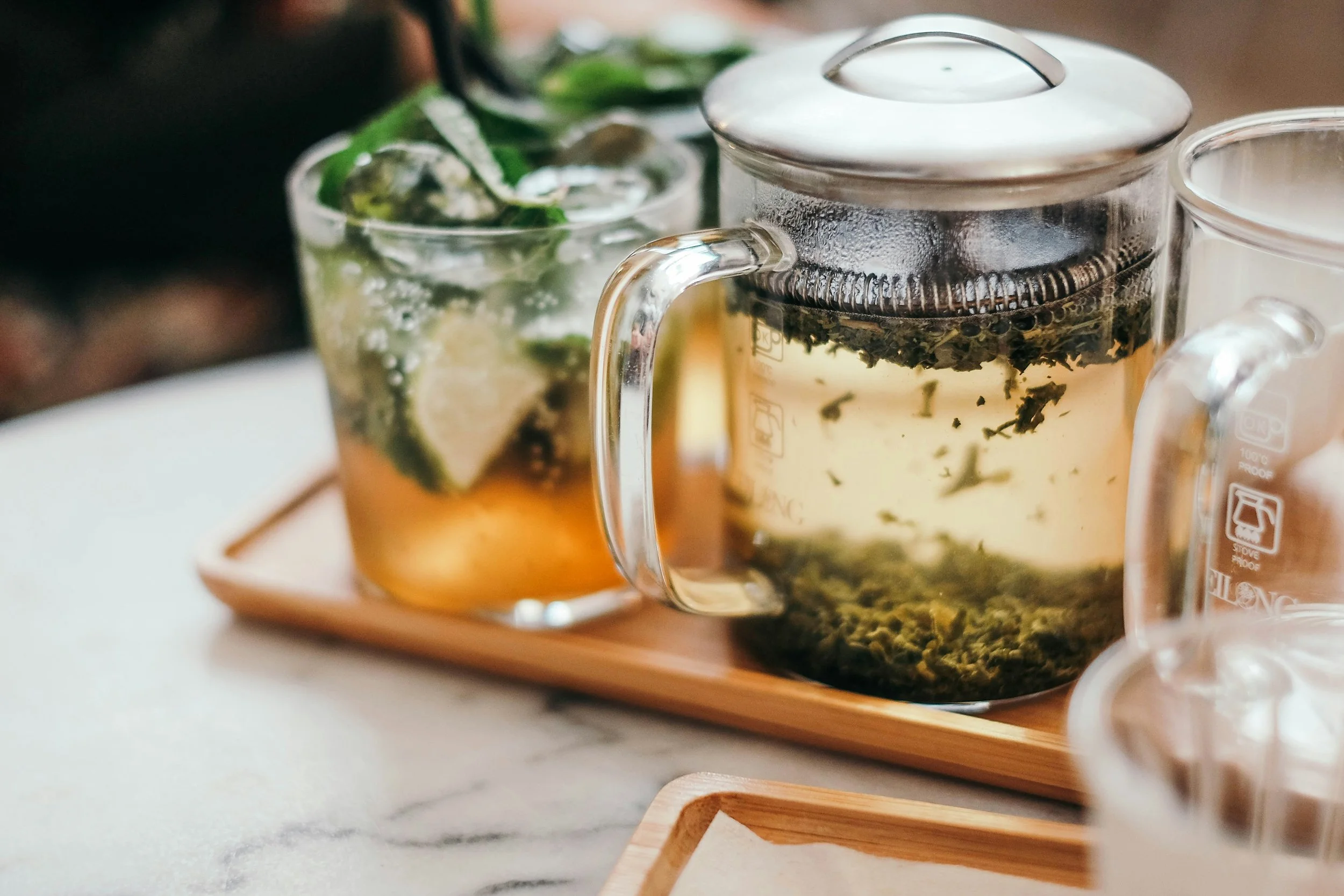
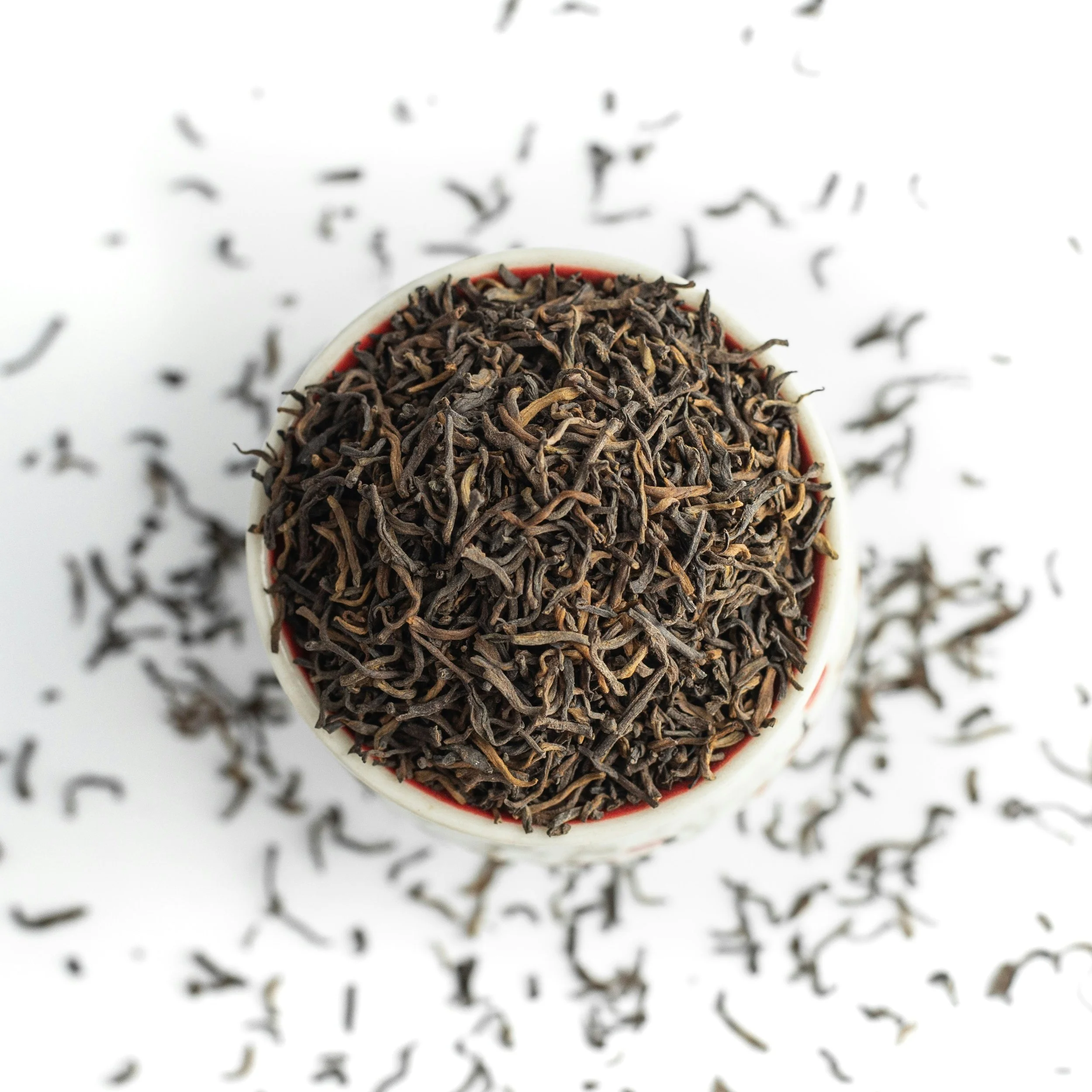
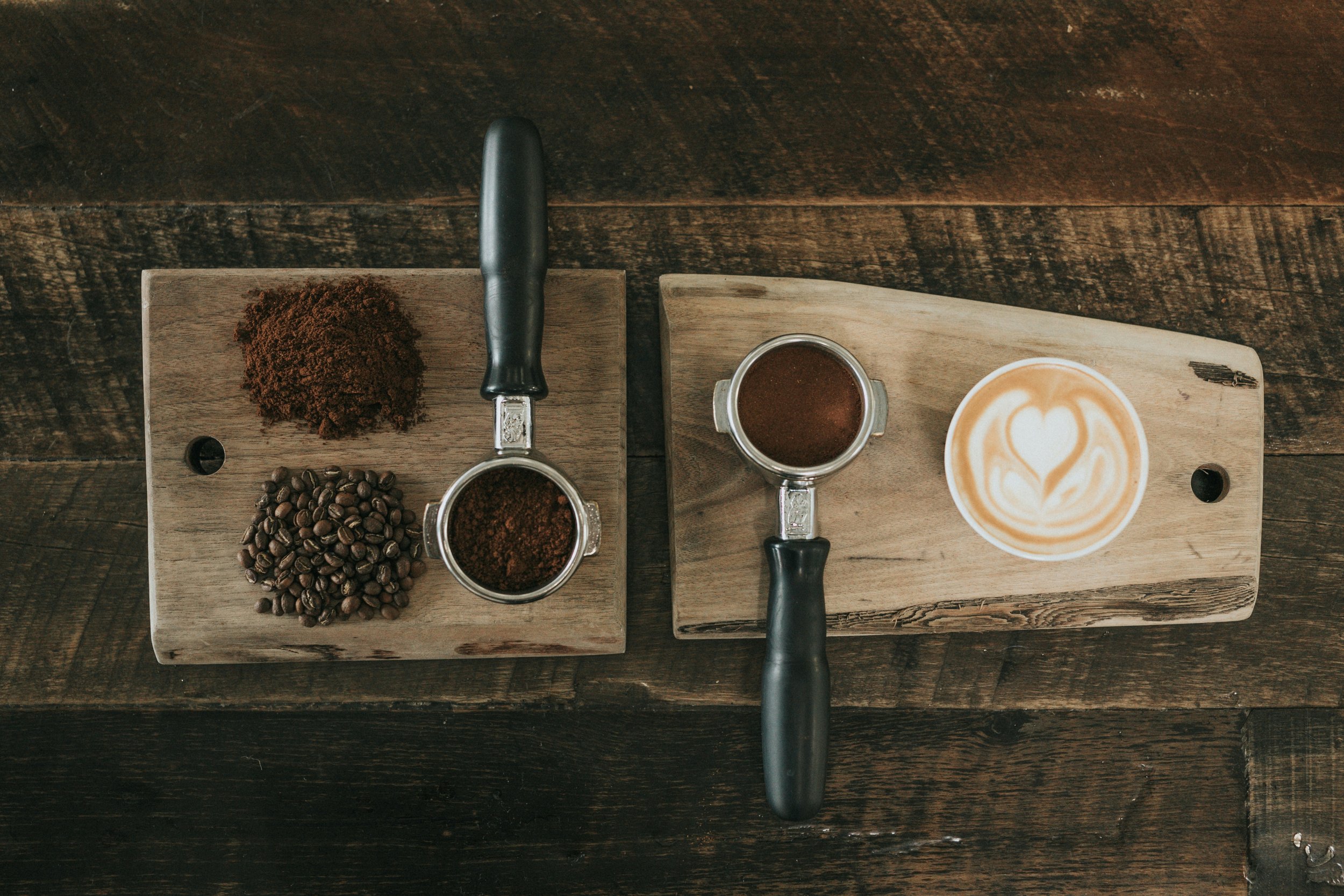
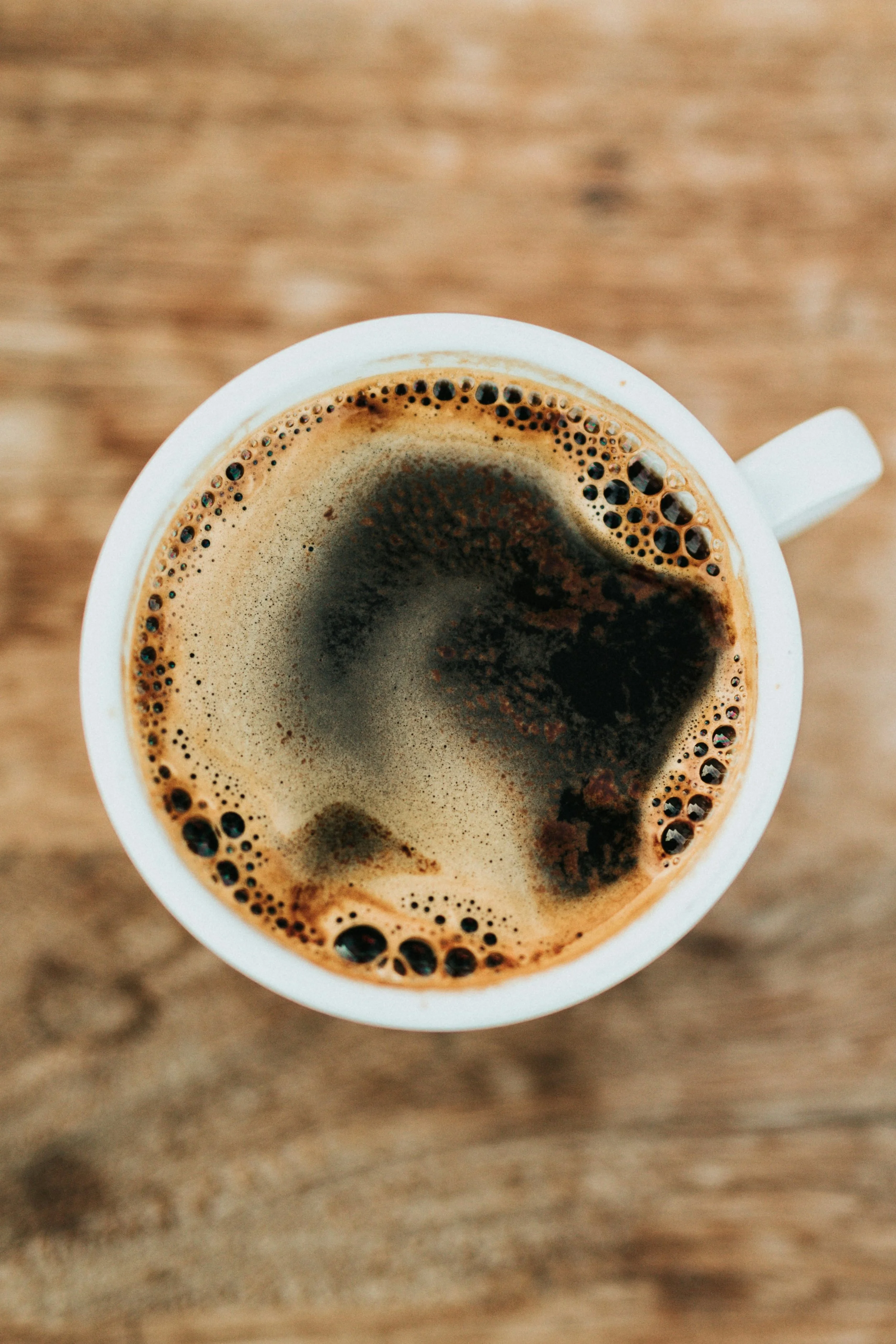
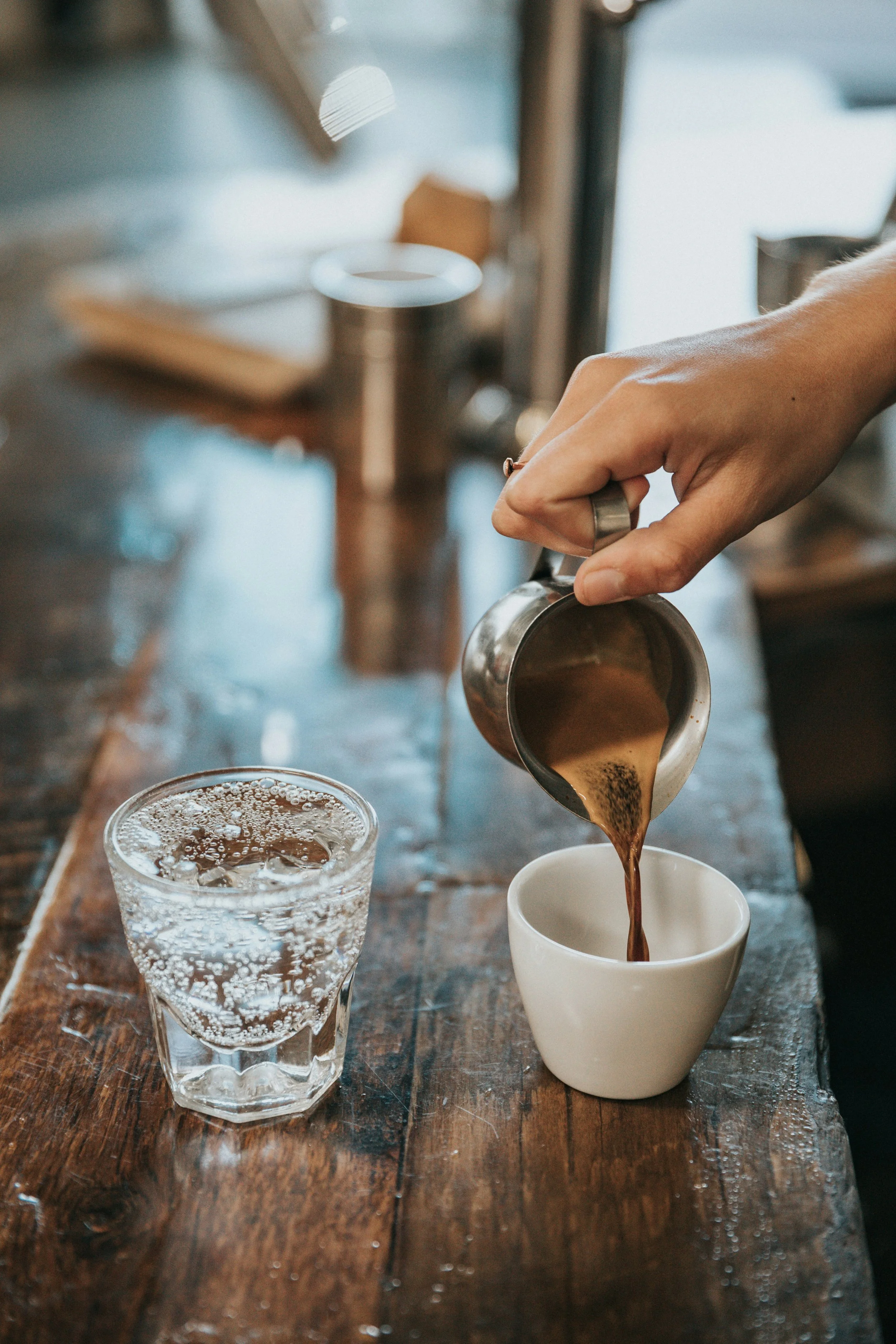
People are rebuilding the day around care and craft. Everyday meals feel special again; the table is back as a cultural object. Coffee and tea anchor shared micro‑rituals that travel across borders.
Why this is happening
Recalibrated time: Post‑hustle culture favors pacing, presence, and boundaries; micro‑rituals create structure without rigidity.
Home as stage: More life happens at home; the table becomes both tool and totem—where food, family, and making meet.
Wellbeing reframed: Sleep, nourishment, and learning are treated as daily practices, not fixes.
Craft renaissance: Small‑batch objects, ceramics, linens, and brewing gear signal taste and care.
Global cross‑pollination: Coffee/tea methods and table customs circulate online, becoming shared rituals.
Cultural signals
Rise of intentional tablescapes and seasonal menus at home.
Slow coffee/tea gear (pour‑over, gaiwan, samovar‑inspired kettles) as everyday essentials.
Analog planners & bedtime routines (wind‑down lighting, textiles, sound).
Kitchen craft & making: fermenting, preserving, hand‑built ceramics, bread 2.0.
Intimate hosting: supper clubs, potlucks, family‑style plating, shared playlists.
Brand implications
Product: Design for touch, patina, and reuse (durable tableware, ritual‑friendly formats, modular sets).
Experience: Create guided mini‑rituals (brew timers, setting prompts, family conversation cards).
Content: Teach small, repeatable practices—"five‑minute table reset," "two‑song pour‑over," "Sunday prep".
Community: Spotlight local rituals; invite customers to share their tables and stories.
Sustainability: Rituals reduce waste by elevating what’s already there.

Formaje embodies our course themes: it turns cheese buying into ritual and the table into a stage for craft. With maker stories, seasonal curation, and cut to order service, it teaches taste and care and extends the experience at home.

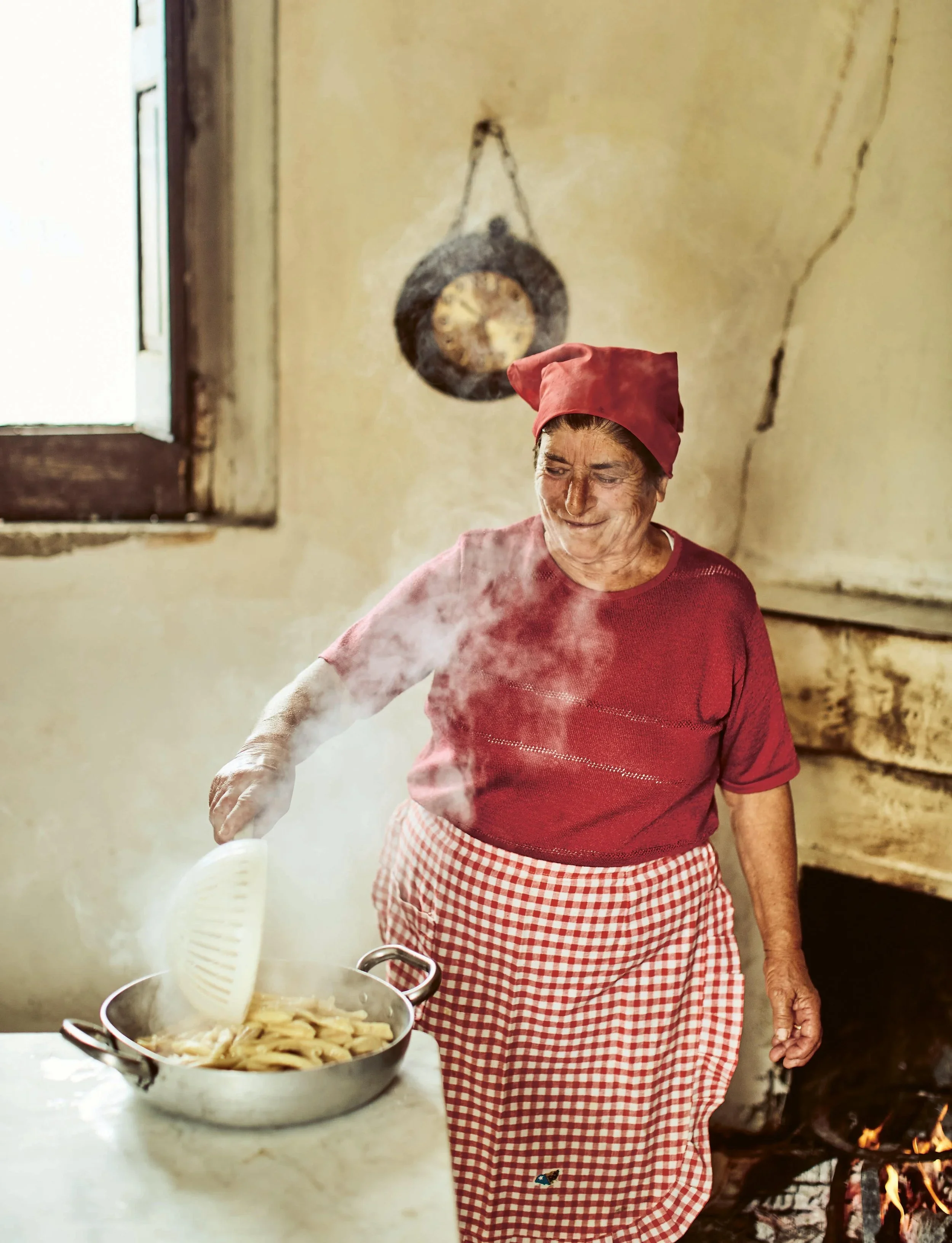
Pasta Grannies captures Italian nonnas making regional pasta by hand, turning home kitchens into living classrooms. Created by writer Vicky Bennison, the series and books preserve techniques, dialects, and family stories that might otherwise fade. It is a love letter to slow cooking, seasonal ingredients, and the table, inviting viewers to learn by hand and pass the ritual on.

Home is no longer a backdrop; it’s the main stage. We treat it as a studio, test kitchen, study, sanctuary, and salon, layering small rituals into the day: the first pour of coffee, a midday stretch, candles lit for Tuesday dinner. People are investing in objects with story and use, from durable tableware and repairable appliances to modular furniture and good light, and they are prioritizing texture over gloss and calm over clutter. Hybrid work and intimate hosting keep weekdays close to home, while global tastes travel through the pantry and the playlist. The aesthetic skews warm and lived in, with materials that age well. Brands that honor “house pride,” teach simple upgrades, and design for touch, not just show, fit this moment.








The Urgent Need to Feel the Human Touch
Objects carry the memory of conversations with makers; they answer our need for connection. Even as digital expands, human presence shapes desire.
Authenticity
Growing demand for authentic, well-made, high-quality products—new luxury = craftsmanship, provenance, trust, respect.
Authenticity in an AI World — Story Hygiene
Proof over prose: unedited process, maker credits, timestamps, origin audits.
Disclosure: say when AI assists; keep a human in the loop.
Human trace: celebrate irregularities & patina; avoid over-retouching.
Name specifics: people, places, techniques—no vague “heritage” claims.


The New Consumers 2026
In this course we work with four archetypes that show how people relate to meaning, stuff, and time. The Nihilists doubt the point of it all and buy only when something proves itself. The Reductionists want less and better, trimming life to essentials. The Time Keepers build their days from steady rituals and reliable cues. The Pioneers chase the frontier, eager to try, learn, and share. Together they help you choose a focus, shape your voice, and design offers that meet people where they are.
1) The Nihilists — opting out of chaos
Value: reliability, neutrality, time saved.
Behaviors: fast DTC, repeat buys, minimal variants.
Cues: uniform pieces, warranties, repair programs, clear fit.
Message: “Fewer, better. Built to last.”
Study: Paynter Jackets, Issey Miyake systems.
2) The Reductionists — back to the human touch
Value: craft, provenance, emotional durability, care/repair.
Behaviors: workshops, studio visits, craft boutiques.
Cues: natural fibres, visible handwork, named maker credit.
Message: “Made by ___ in ___, to live with for years.”
Study: Siddi Quilts, Raasleela, Aboubakar Fofana, Alabama Chanin, Tatter Blue Library.
3) The Time Keepers — investing in little, meaningful things
Value: ease, comfort, quality-of-life upgrades, ritual objects (table/bath/travel).
Behaviors: lists, bundles, homeware edits, replenishment.
Cues: multi-use, packable/repairable, simple care.
Message: “Designed for your everyday rituals.”
Study: Future Vintage, Paynter Jackets, Tatter Blue Library.
4) The Pioneers — thriving in everything new
Value: innovation + ethics—AI assist + human authorship, circular pilots.
Behaviors: early-access drops, memberships, creator channels, limited runs.
Cues: modular/monomaterial builds, take-back/resale, product passports.
Message: “Next-gen craft—proof you can see.”
Study: Aboubakar Fofana, Issey Miyake (A-POC), By Walid.
Sustainability at the Forefront → Purpose as the Differentiator
Customers expect proof and plain-language transparency.
Three pillars interdependence: environmental, social, economic.
Accountability prompts: natural/responsible materials; reuse/recycling; paying & crediting artisans; fair wages; safe conditions; diversity; preserve culture; avoid appropriation.
Compliance watchlist (2026): circularity rules (repairability, recyclability, take-back); tighter green-claim scrutiny; product-passport pilots; chemicals & microfibre restrictions in some markets.
Definitions
Sustainability: capable of being sustained—keeping something going over a long period.
Purpose: who benefits when you succeed—and how. Speak sincerely about the path already walked.
In today´s world, HOW you do something MUST relate to SUSTAINABILITY
Are you using natural materials?
Are you reusing materials? Recycling?
Are you giving proper payment and credit to your partner artisans?
Are you paying your employees fairly?
Are you promoting fair working conditions?
Are you embracing diversity in the workplace?
Are you working towards the preservation of culture?
Are you sure you are not involved in cultural appropriation?
Values to foreground: Care • Quality of life • Humility • Sobriety • Solidarity • Rarity • Craft • Know-how • Heritage • Family & planet.
Mindful Consumption
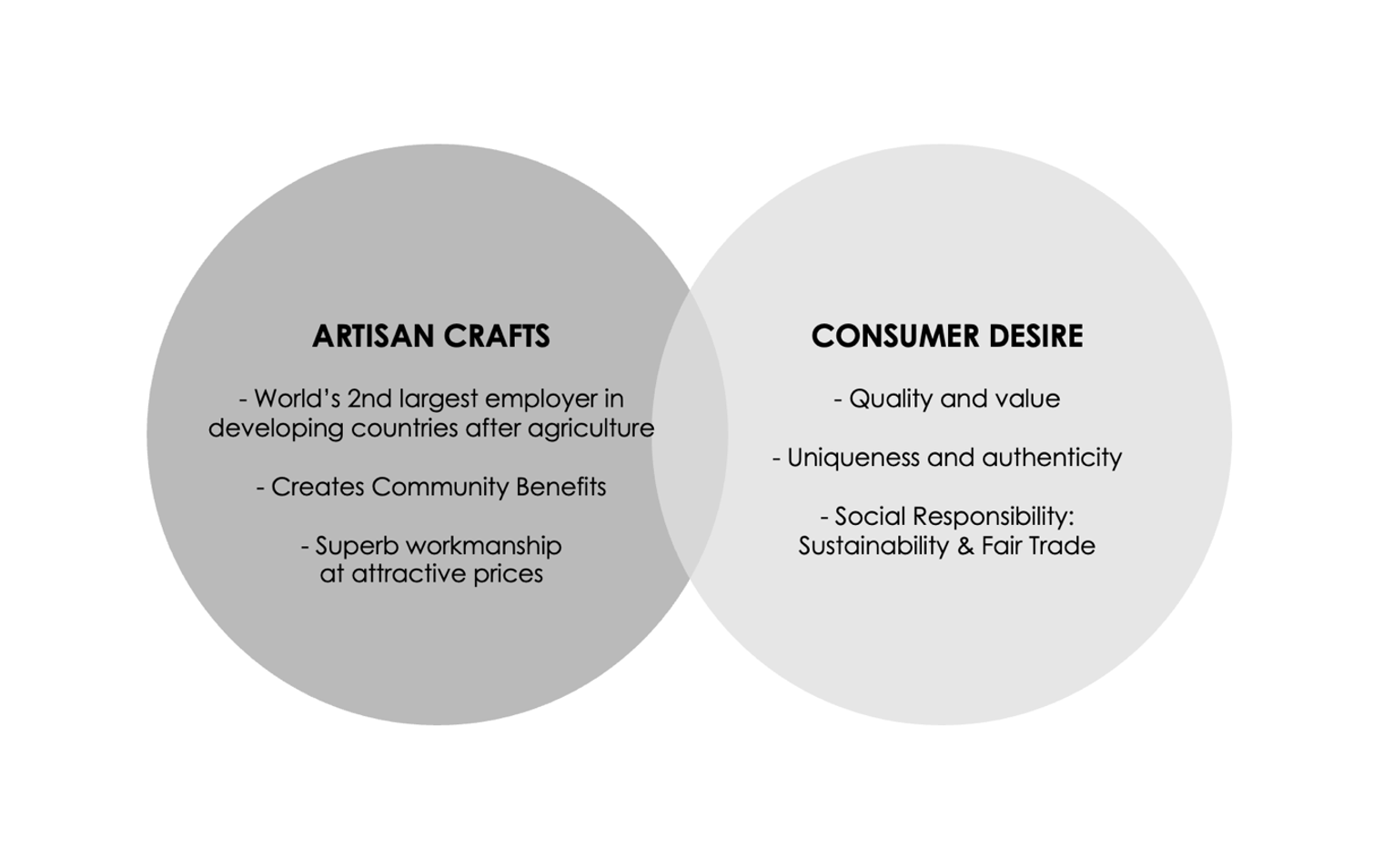
How do our dollars support or undermine our values? Just like practicing mindfulness, it´s becoming aware of how objects are made , who makes those objects, and where your money goes.
The idea of craft as an experience has also grown. In the report’s population survey, one in five (21%) of the overall market for craft (buyers and potential buyers) has paid to take part in a craft class, workshop or course.
Craft is essential
“Craft is no longer a peripheral or isolated area of specialist interest: it is now firmly established in the mainstream
The growth in the public’s desire for authenticity, for experiences, for ethical and sustainable consumption have helped fuel an interest in making and in handmade objects.
There has been a dramatic growth in the number of people buying craft between 2006 and 2020 – with 73% of the population buying craft in 2020, the sector has now entered the mainstream market.” The Market for Craft, The Crafts Council
The power of stories
Social media, in particular, allows consumers to access stories and narratives about craft objects, the ideas behind them, and even the makers themselves, simply at the touch of
a finger. This has (and will continue to) facilitate opportunities to share stories, build inclusive relationships, and invite collaborations between makers themselves, but also between makers and consumers.
We, as society, have a chance to mend our addictions, behaviors and lifestyles.
The emphasis on optimization continues to be very relevant:
Consumers today are less focused on what they own (the instagramable moment) and care more about who they are and specially who they are becoming.
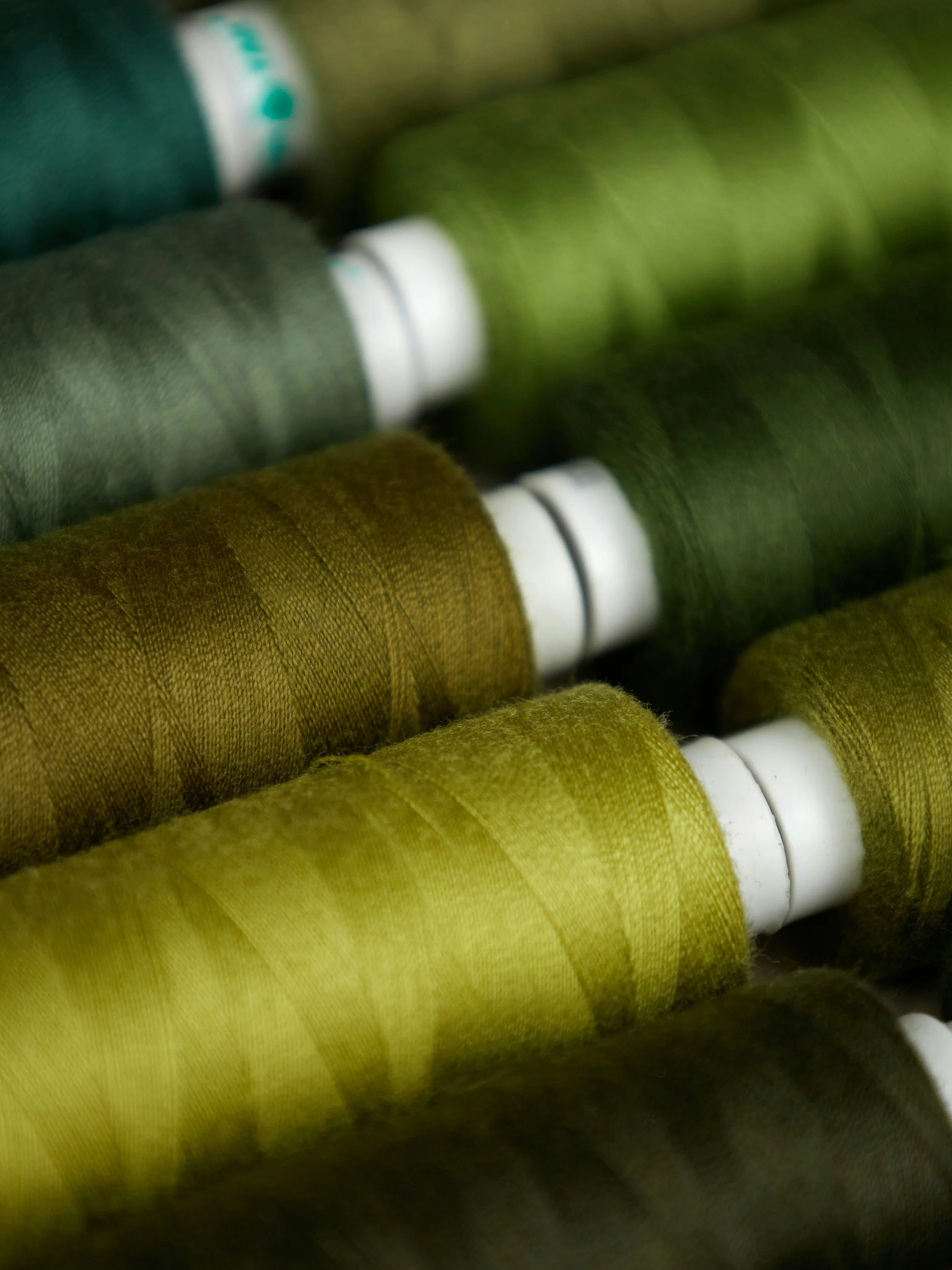
Craft: Participation, Market & Meaning
Social platforms opened craft to a global audience—especially under-35s—who care about how things are made and often want to make themselves. Craft is both product and practice—therapy, learning, community. We’ve moved from mass sameness to one-of-a-kind and from collecting things to transformational experiences.
Mindful consumption: Ask how are objects made, who makes them, where does the money flow? Classes/workshops and maker-education content continue to grow, creating content-to-commerce paths for brands.
Why craft resonates: Stories make the bridge. Branding (assortment logic, pricing, positioning) helps makers be found. People want the genuine and tactile—the human presence in objects.
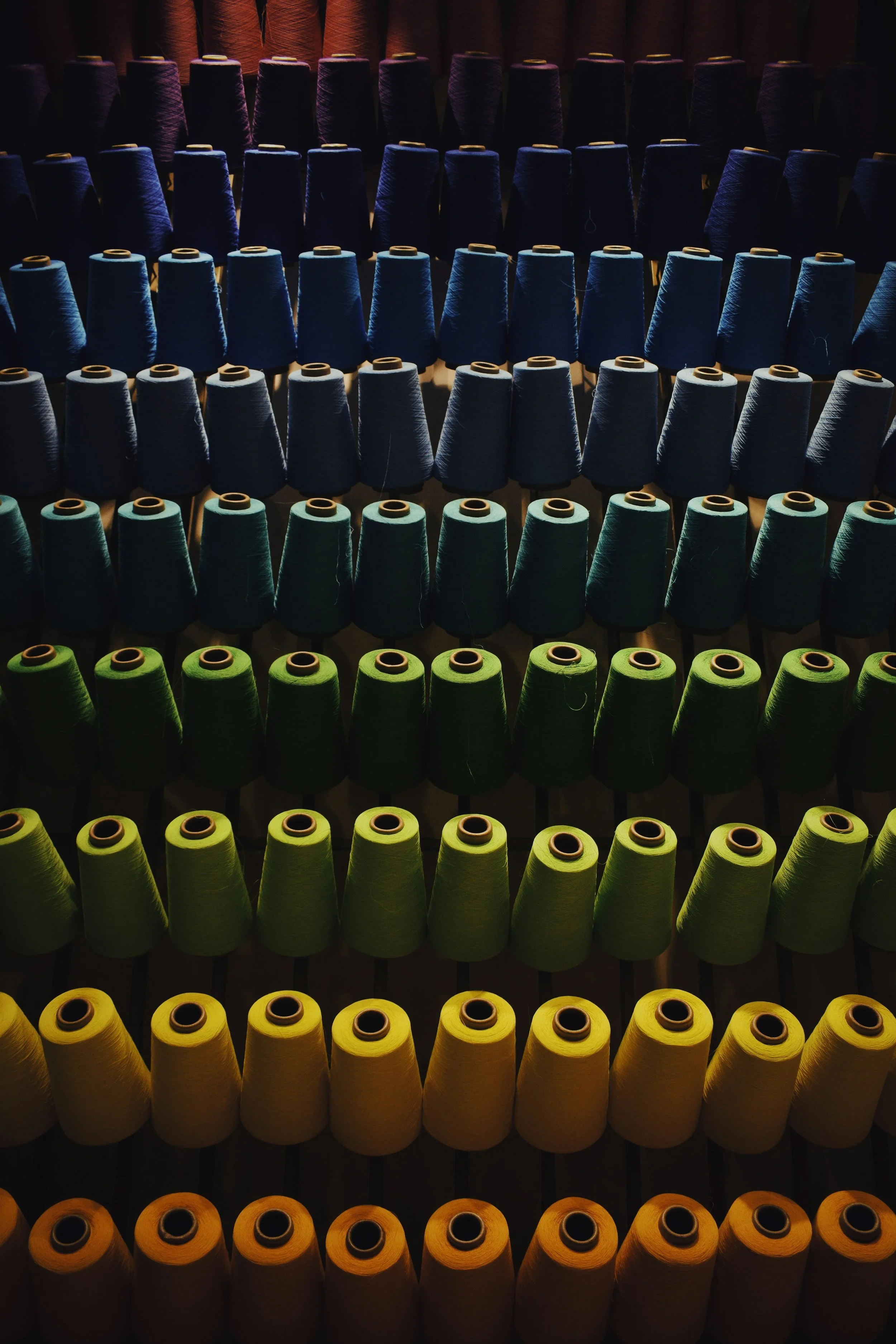
Opportunity & Mindset: What to Design For 2026
Discovery & commerce: social-first search, live shopping, creator partnerships, community-led drops; visual search & short video as top-of-funnel; retail media & creator whitelisting to launch without deep discounts.
Circularity & services: care/repair, take-back, resale, rentable capsules; preorder/made-to-order; transparent timelines.
Materials & making: monomaterials; modular construction; traceable natural fibres; responsible celluloses; quality deadstock; regional/near-shored production.
Data & privacy: build zero-party data (newsletter, SMS, membership) as cookies fade; measure loyalty with community metrics (opens, replies, UGC).
AI & creative ops: use AI for research/ideation/prototyping/copy/alt-text—with disclosure & human-in-the-loop; guard provenance/copyright.
Resilience & logistics: plan around climate; diversify suppliers; consolidate shipments; keep buffers. Caribbean lens: hurricane-season calendars; salt/mould-resistant finishes; diaspora-friendly shipping.
Mood & wellbeing: neuroaesthetic cues (soothing palettes, tactility, sound/closure feel).
Premiumisation / Silent Luxury: understatement, durability, anti-ostentation.
Body realism & inclusivity: fit depth, age diversity, adaptive design as a brief—not an afterthought.
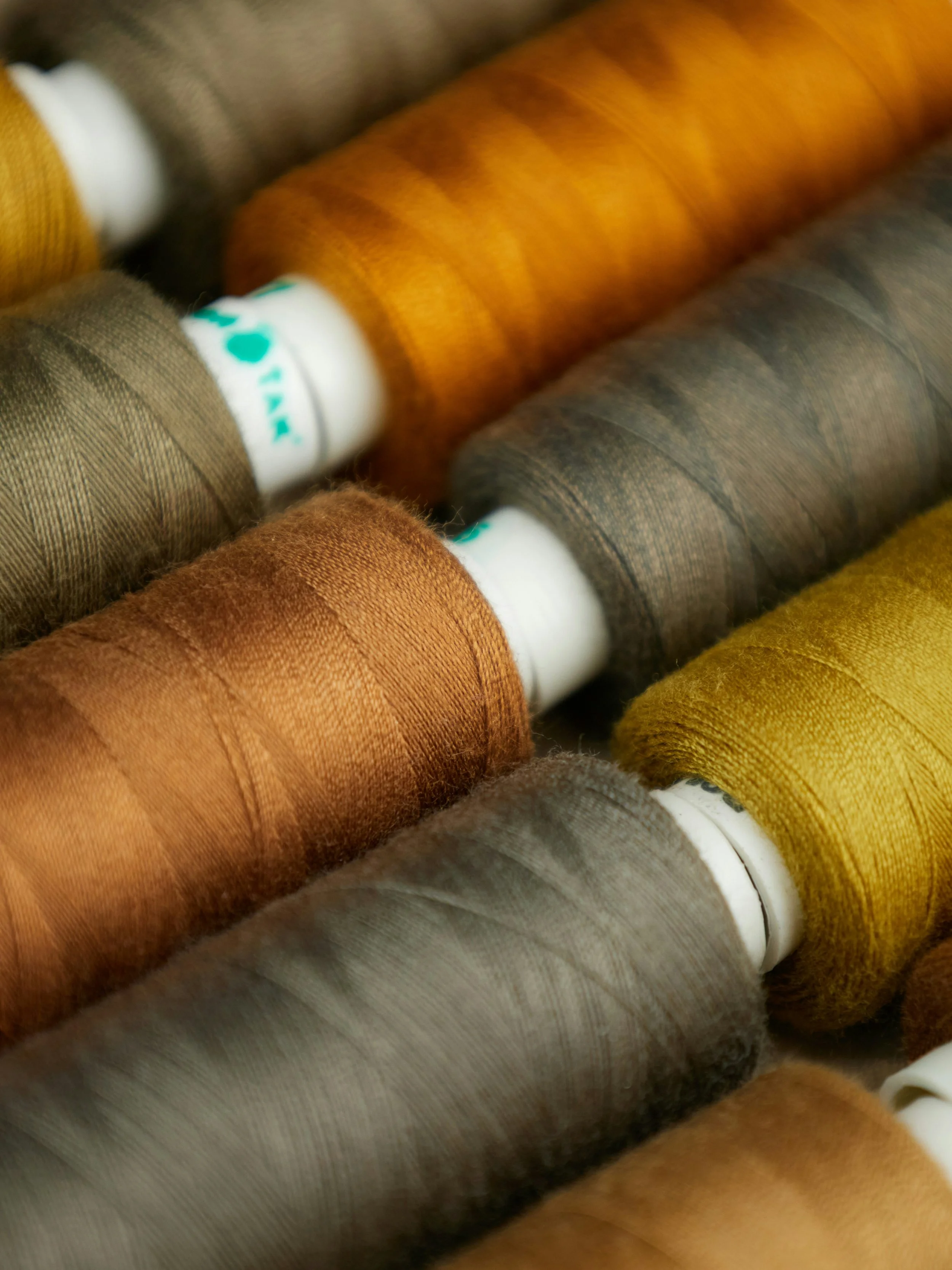
Health & Wellbeing: Fashion Trends 2026
Sensory calm: soothing palettes, tactility, quiet sound/closure feel.
Comfort as craft: breathable naturals, thermoregulating knits, ergonomic details.
Everybody design: inclusive size/fit depth, age diversity, adaptive features.
Care habits: easy-wash, repairable construction, spare parts, published care guides.
Wellness adjacency: table/bath/ritual objects that support daily routines.
Understated value: “Silent Luxury”—durability & restraint over flash.
TO DO
Discovery & commerce: social-first search, live shopping, creator partnerships, community-led drops; visual search & short video as top-of-funnel; retail media & creator whitelisting to launch without deep discounts.
Circularity & services: care/repair, take-back, resale, rentable capsules; preorder/made-to-order; transparent timelines.
Materials & making: monomaterials; modular construction; traceable natural fibres; responsible celluloses; quality deadstock; regional/near-shored production.
Data & privacy: build zero-party data (newsletter, SMS, membership) as cookies fade; measure loyalty with community metrics (opens, replies, UGC).
AI & creative ops: use AI for research/ideation/prototyping/copy/alt-text—with disclosure & human-in-the-loop; guard provenance/copyright.
Resilience & logistics: plan around climate; diversify suppliers; consolidate shipments; keep buffers. Caribbean lens: hurricane-season calendars; salt/mould-resistant finishes; diaspora-friendly shipping.
Mood & wellbeing: neuroaesthetic cues (soothing palettes, tactility, sound/closure feel).
Premiumisation / Silent Luxury: understatement, durability, anti-ostentation.
Body realism & inclusivity: fit depth, age diversity, adaptive design as a brief—not an afterthought.
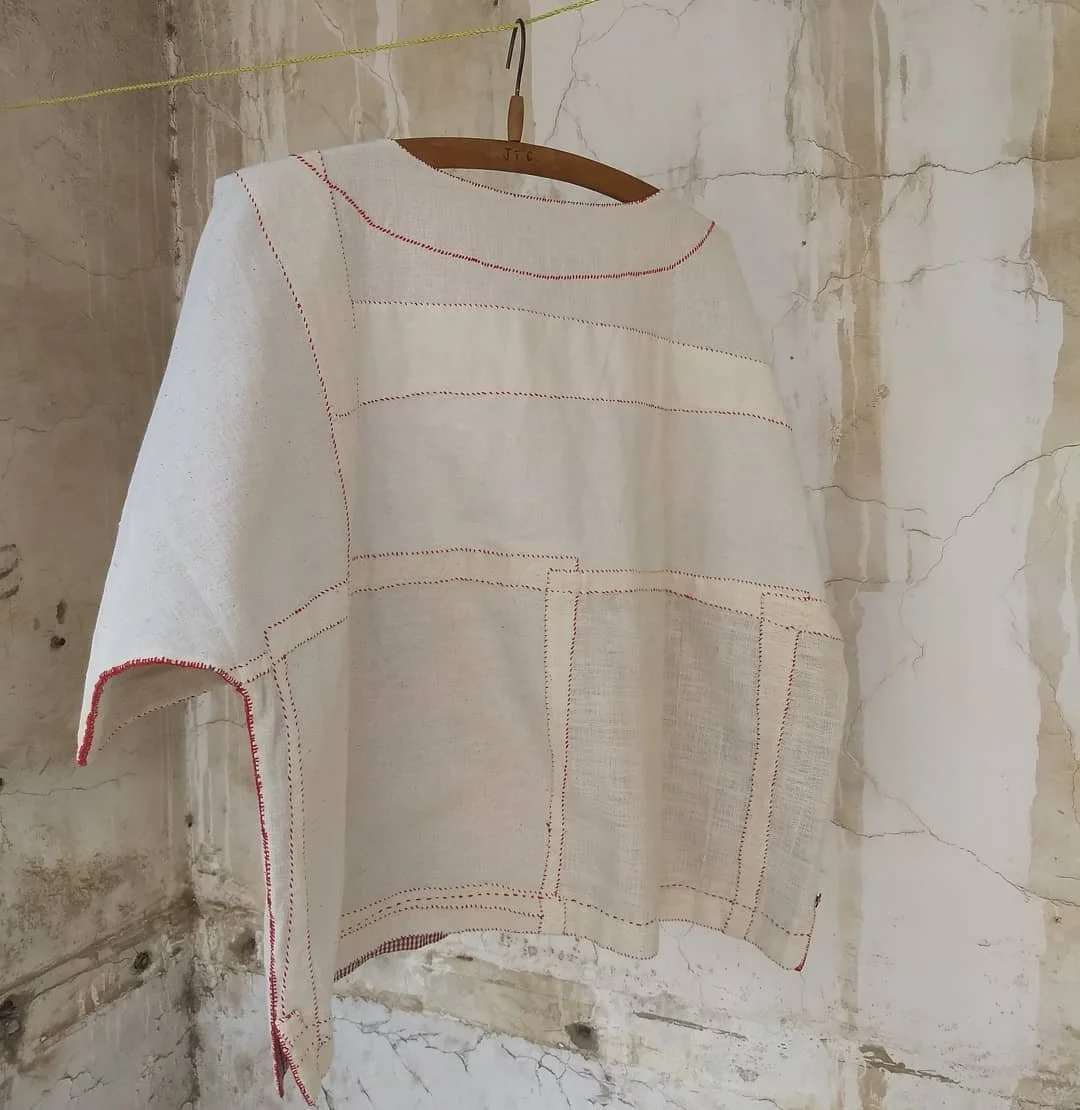
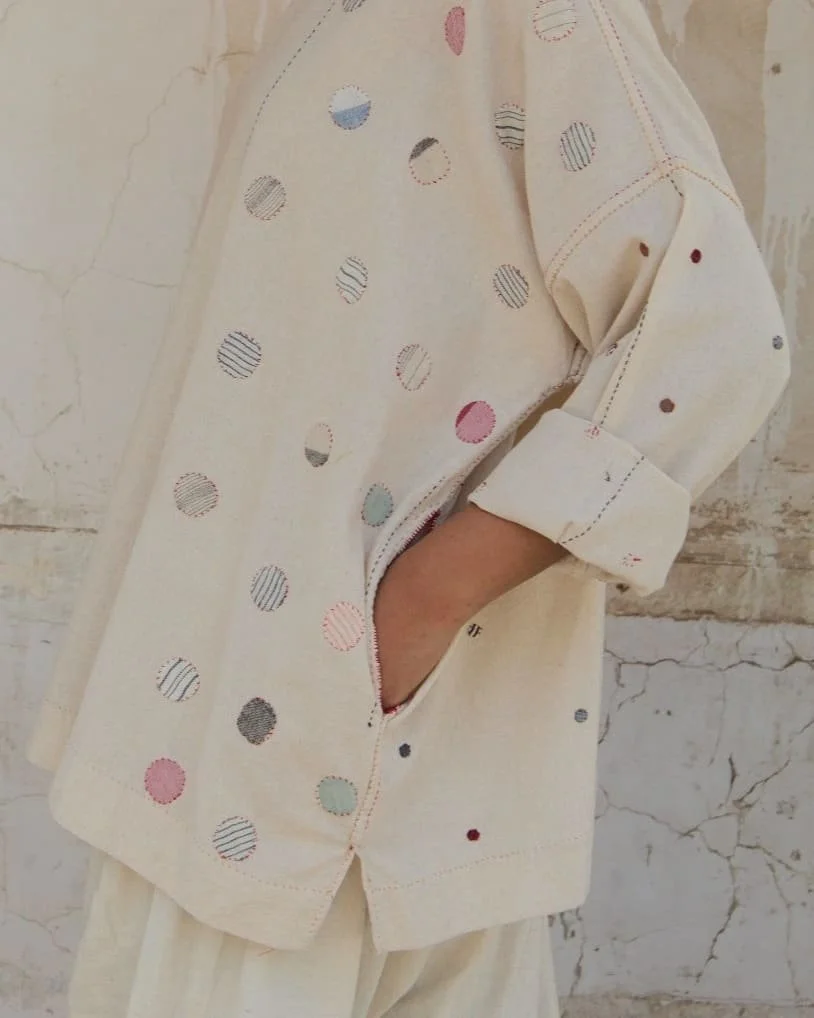
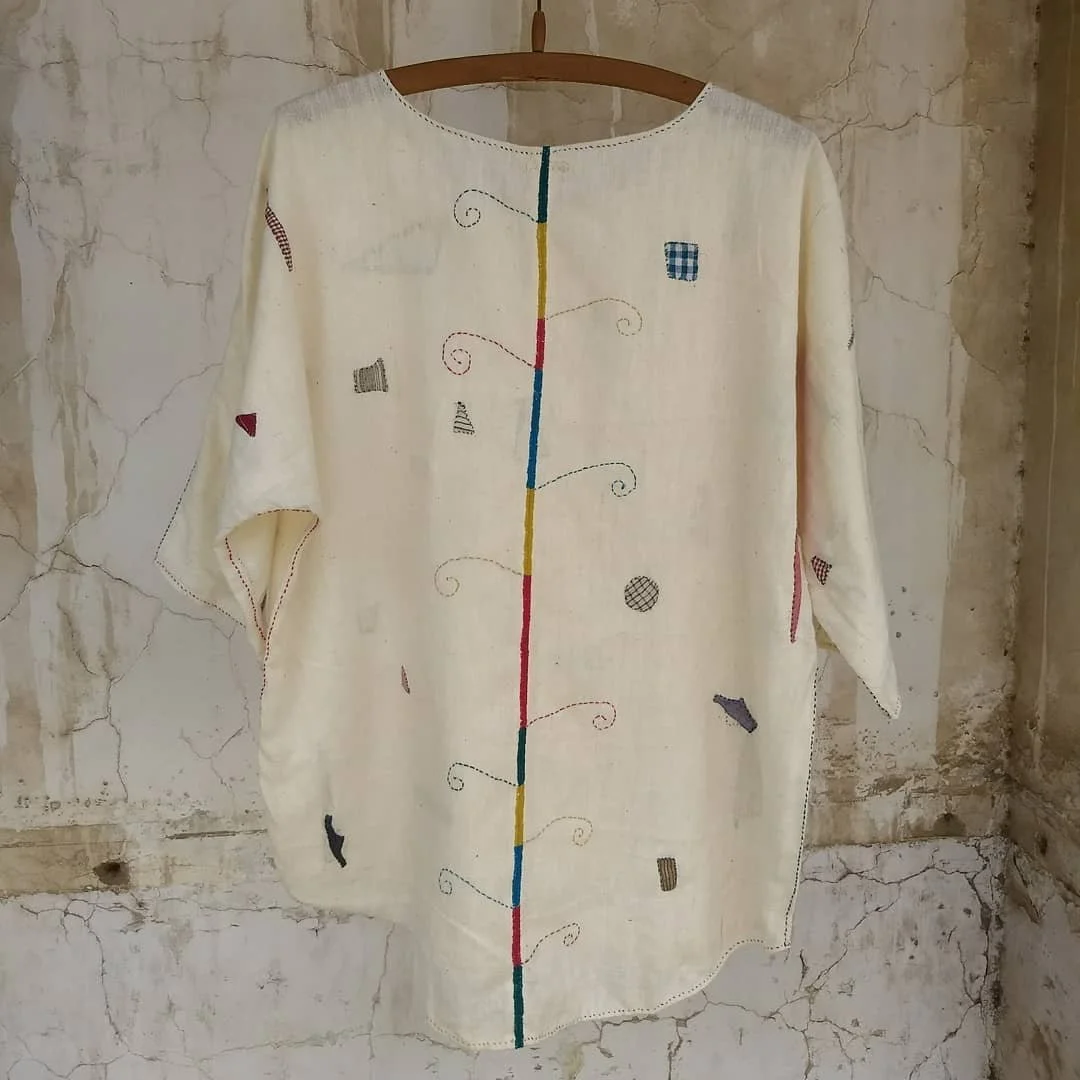
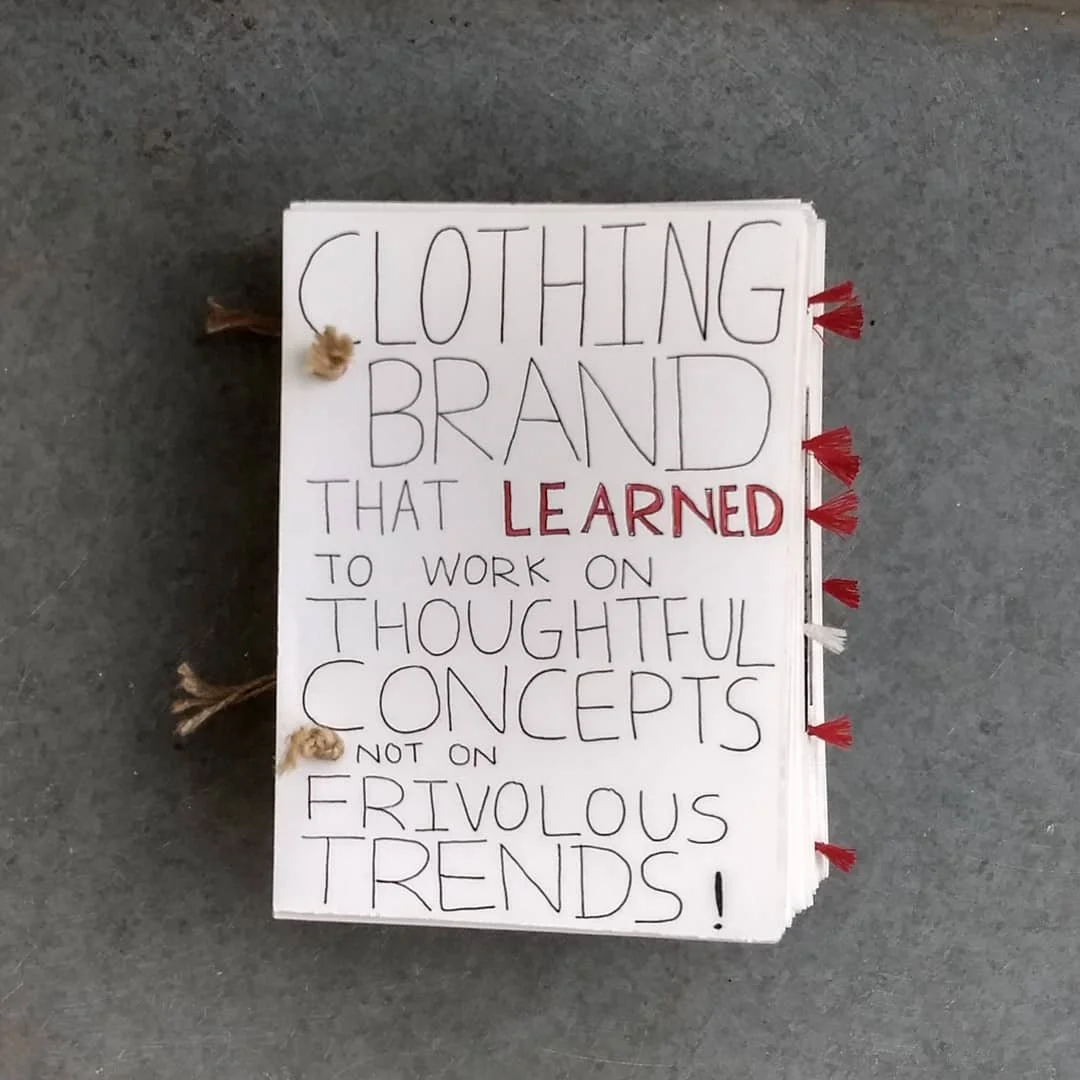
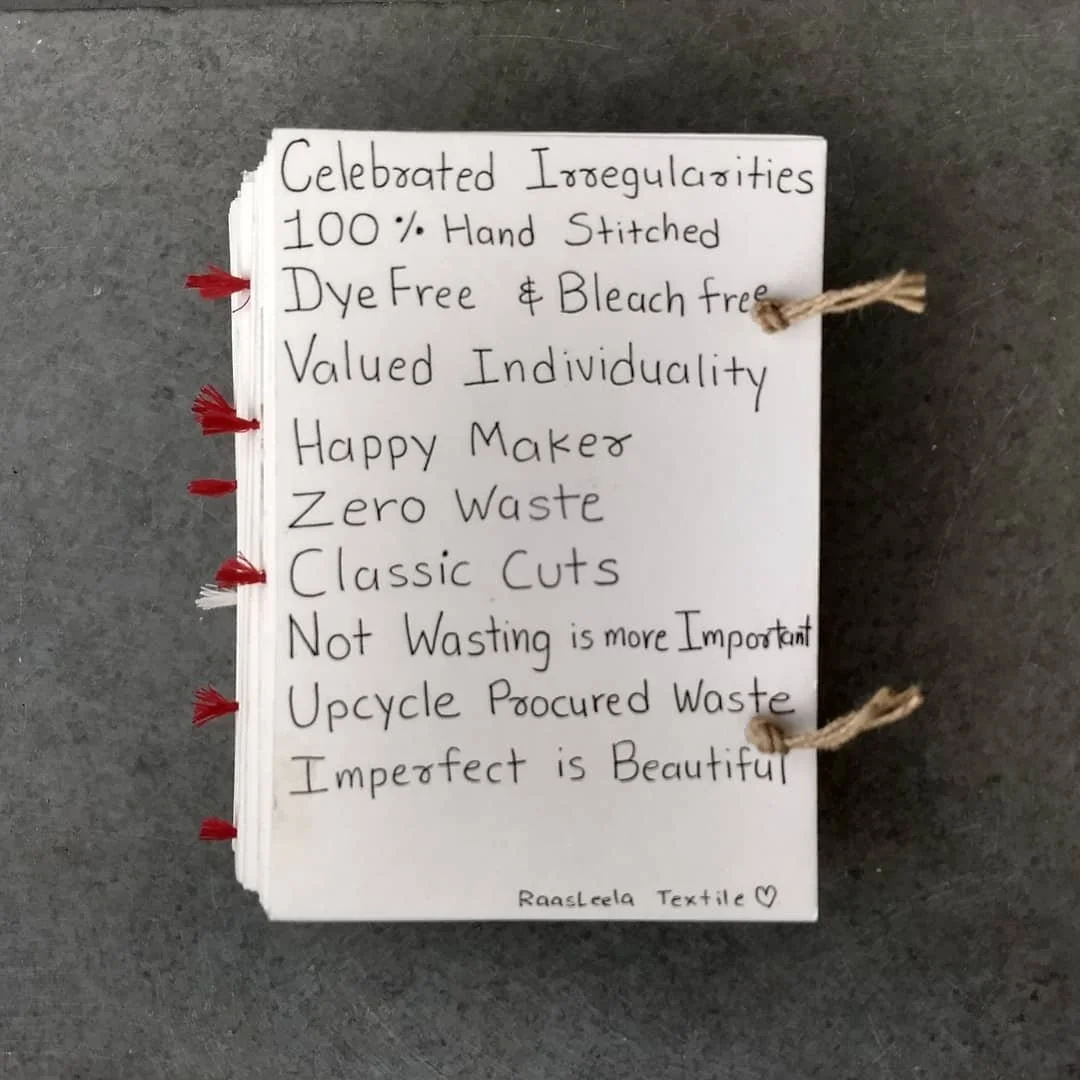
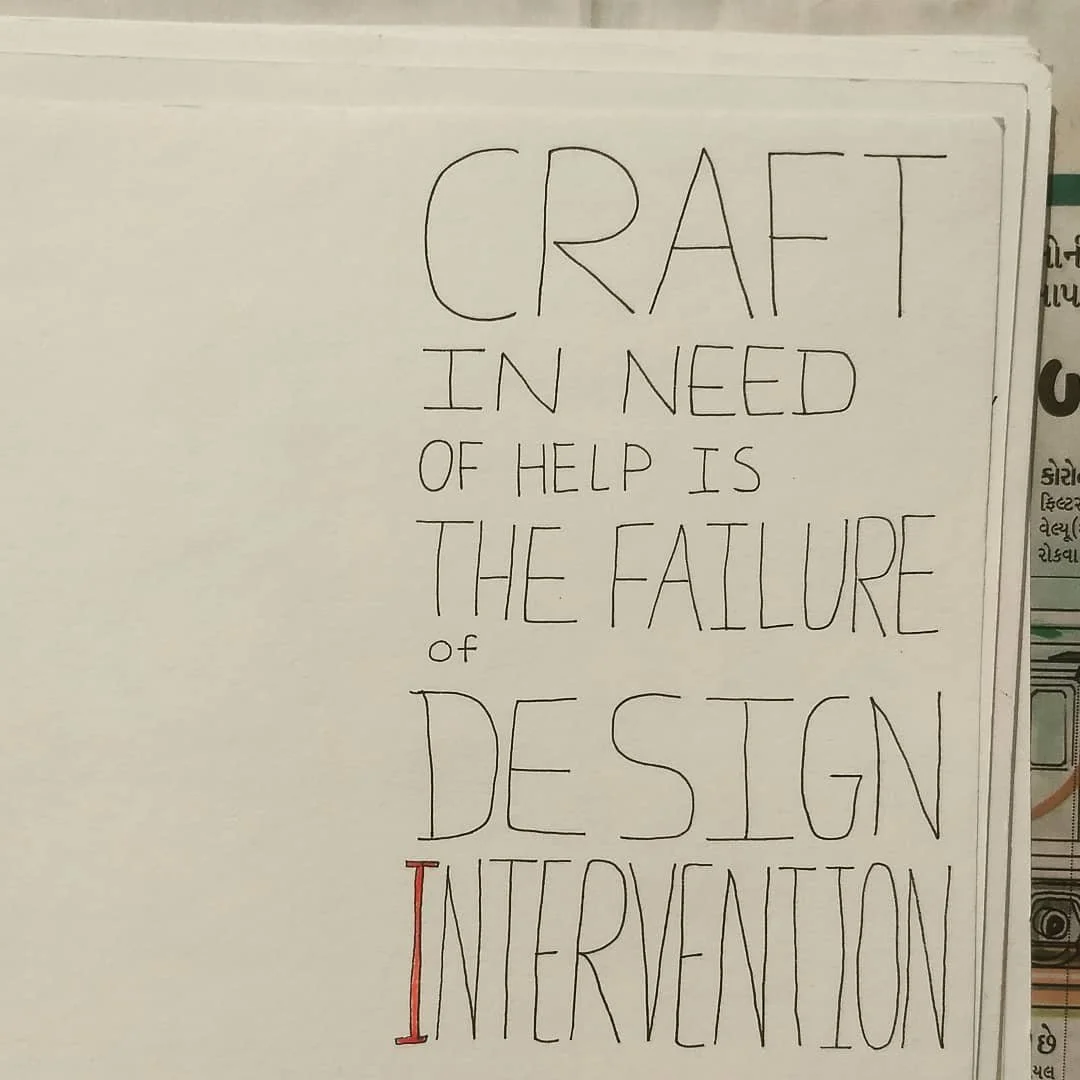
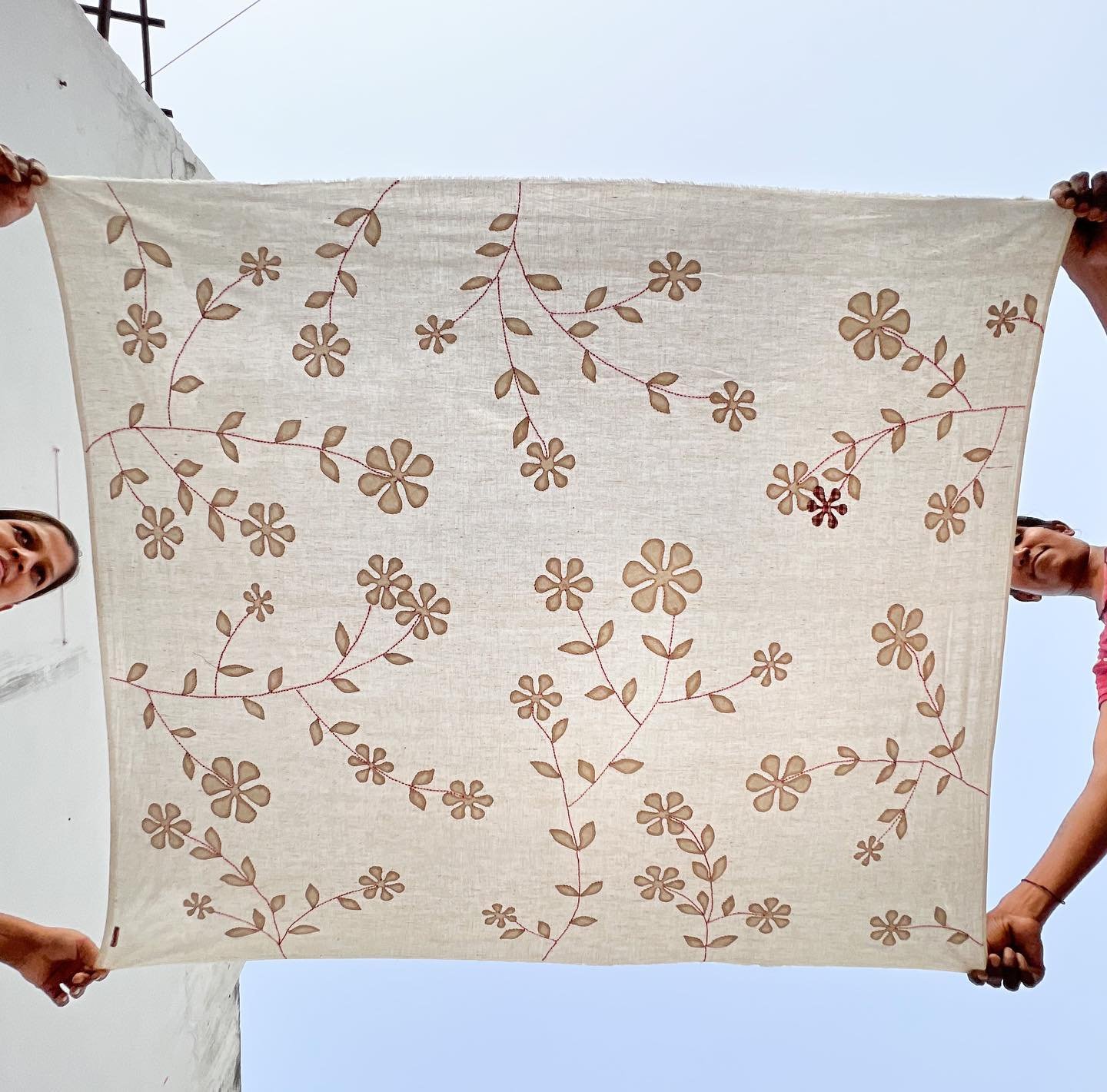
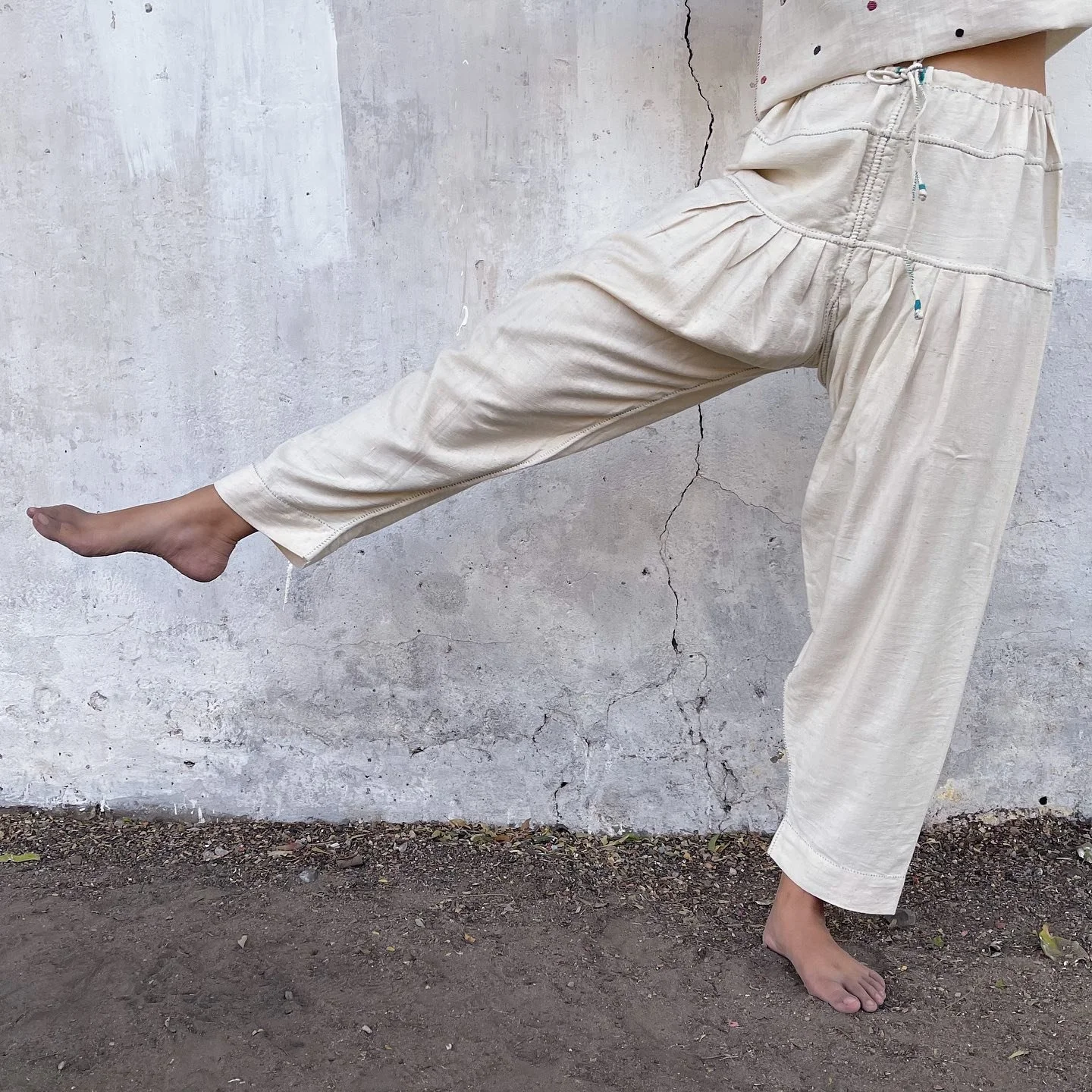
Raasleela
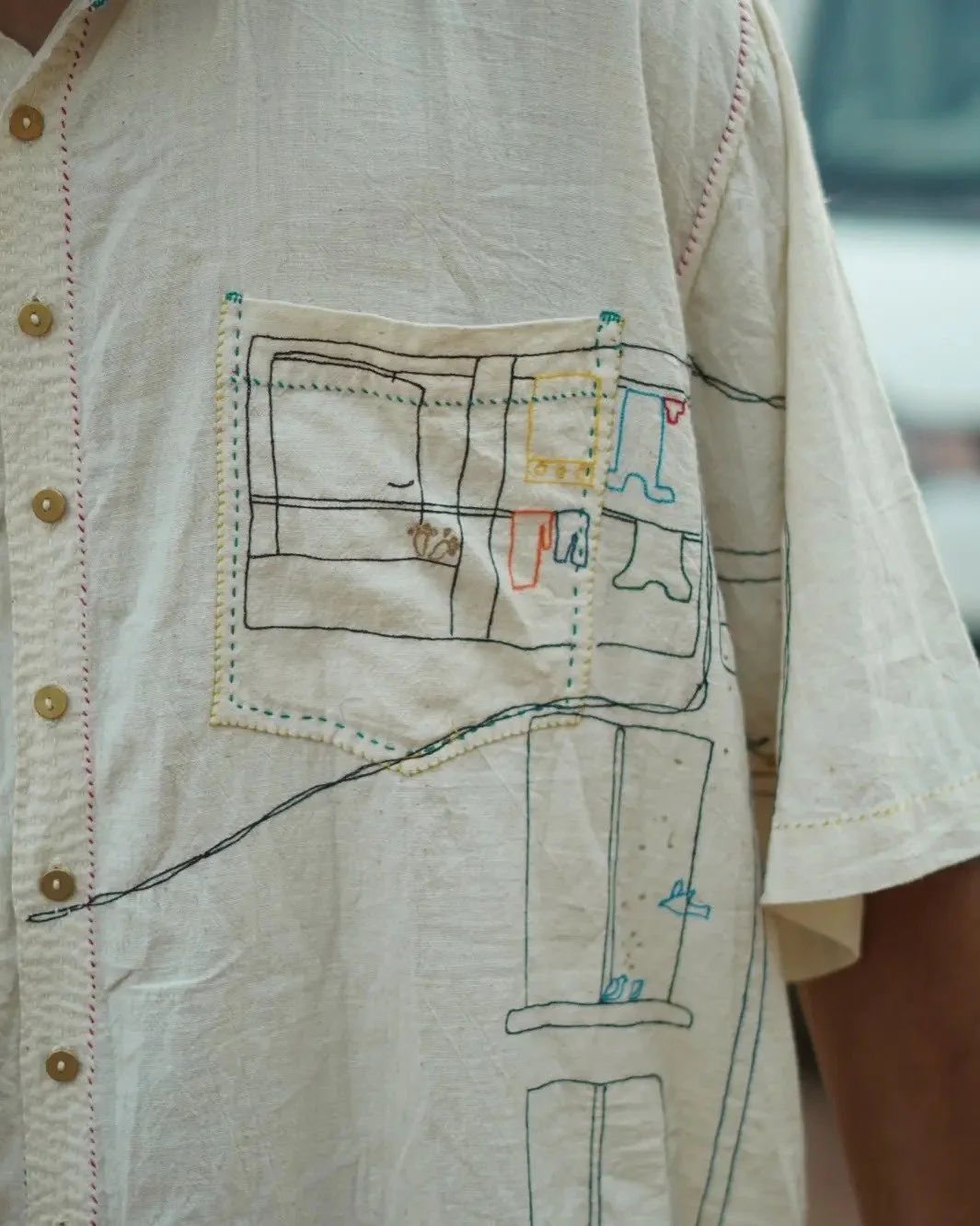
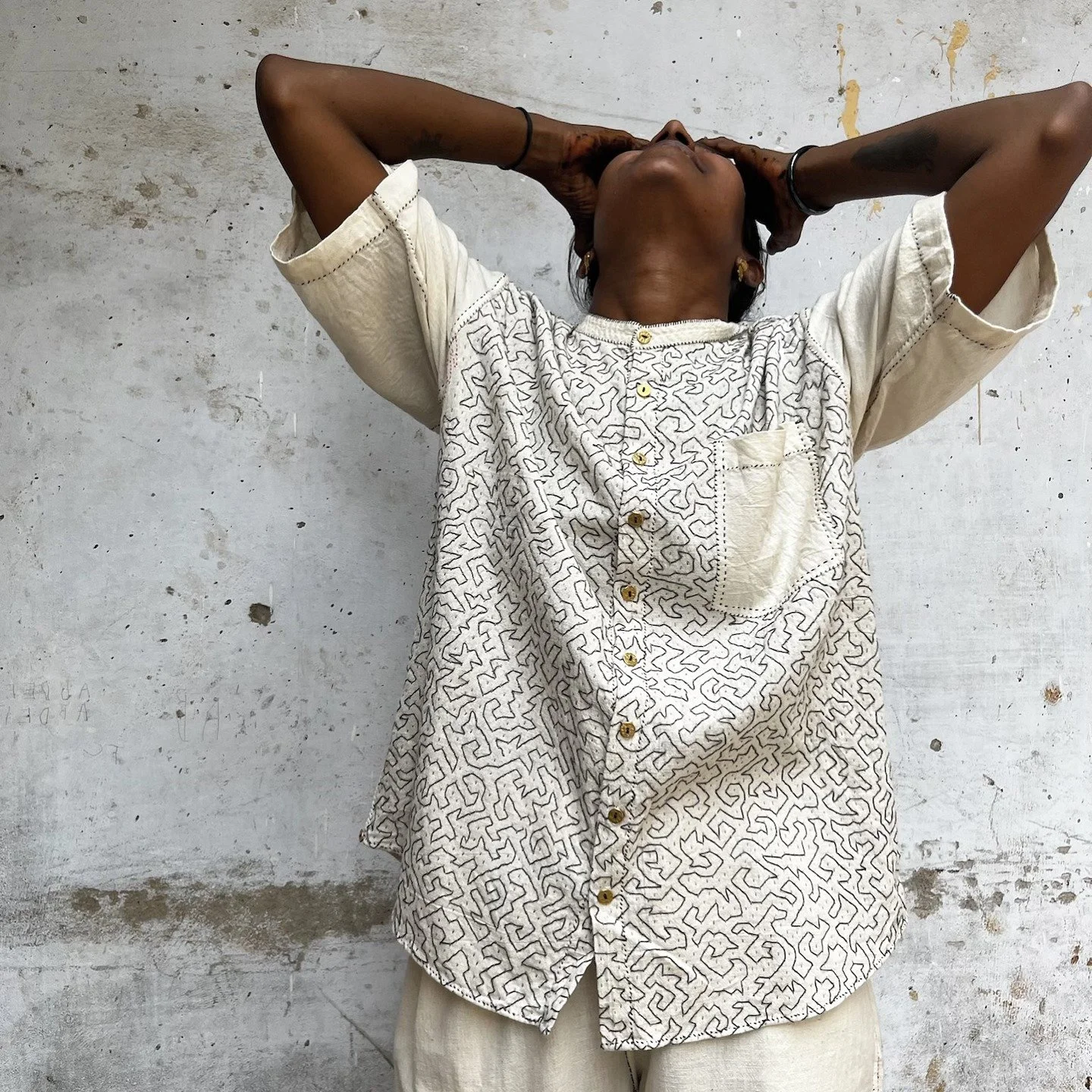
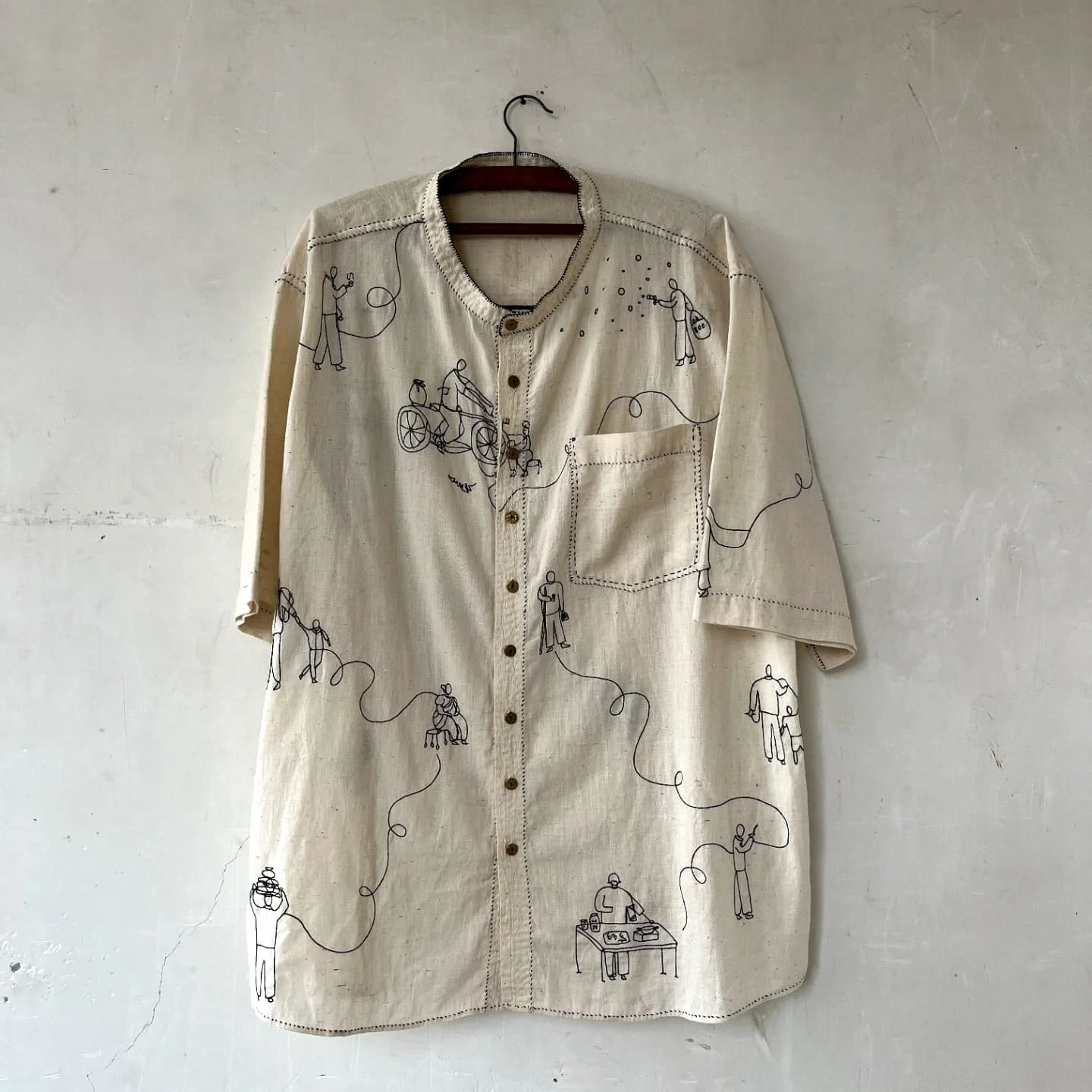
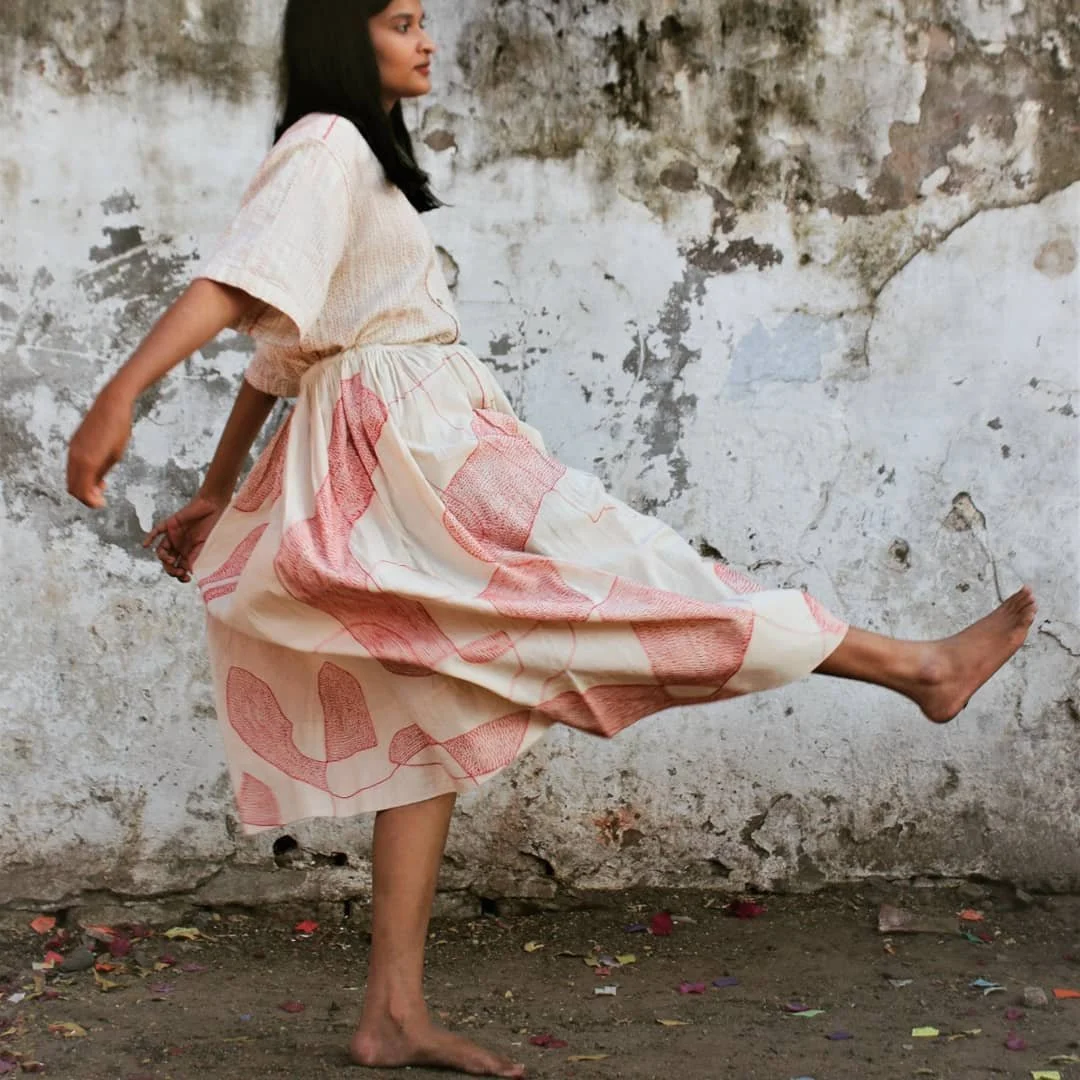
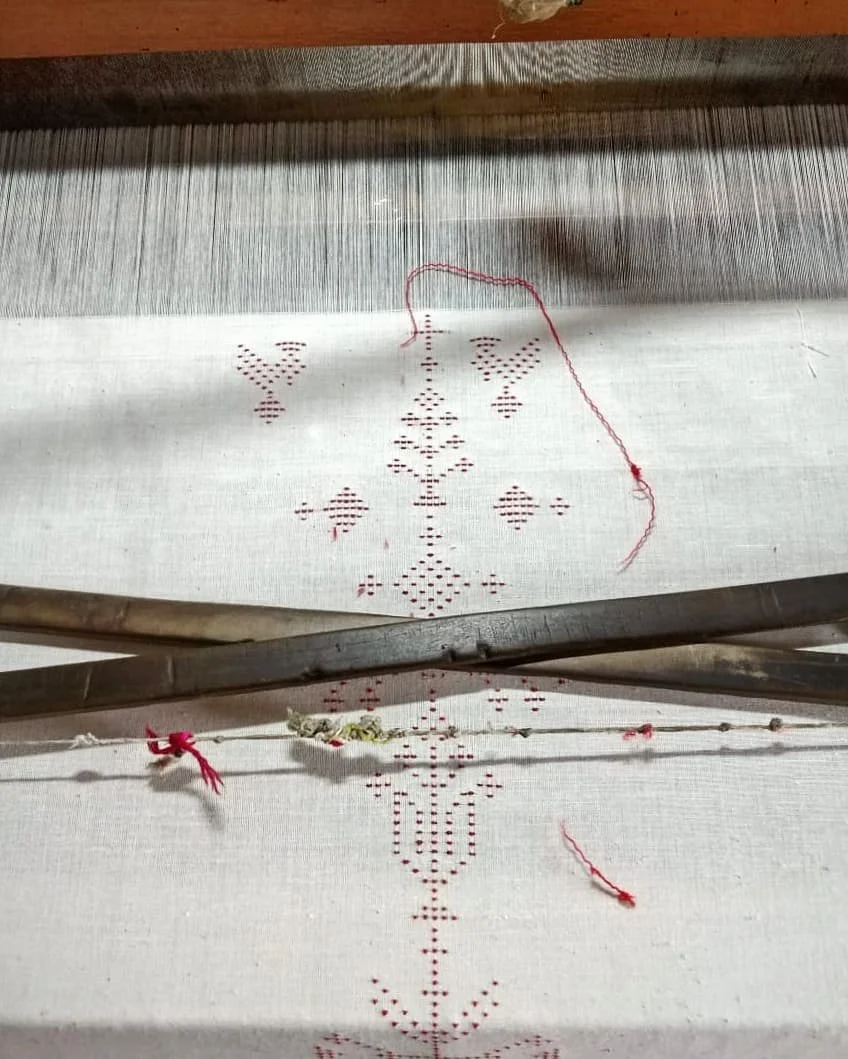
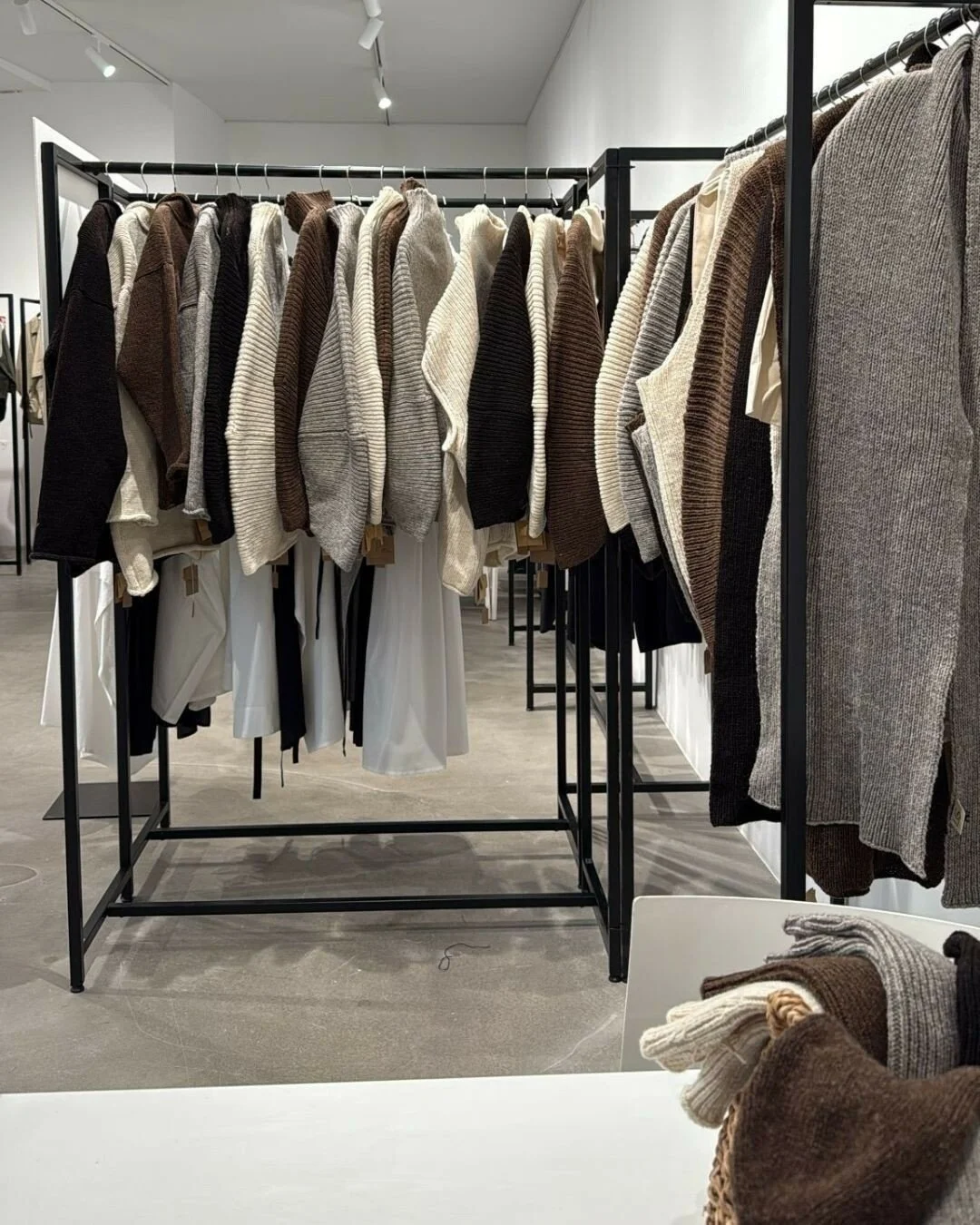
Process-first collective; handwork as story; teaches repair; pricing tied to hours/materials.
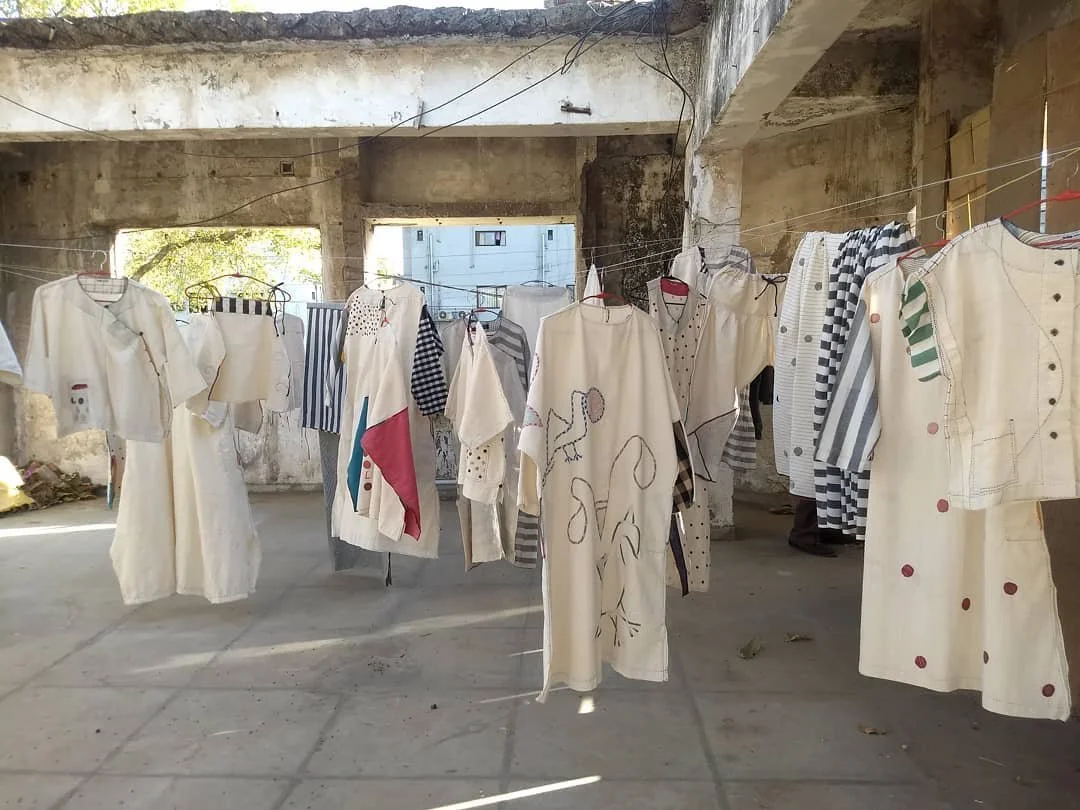
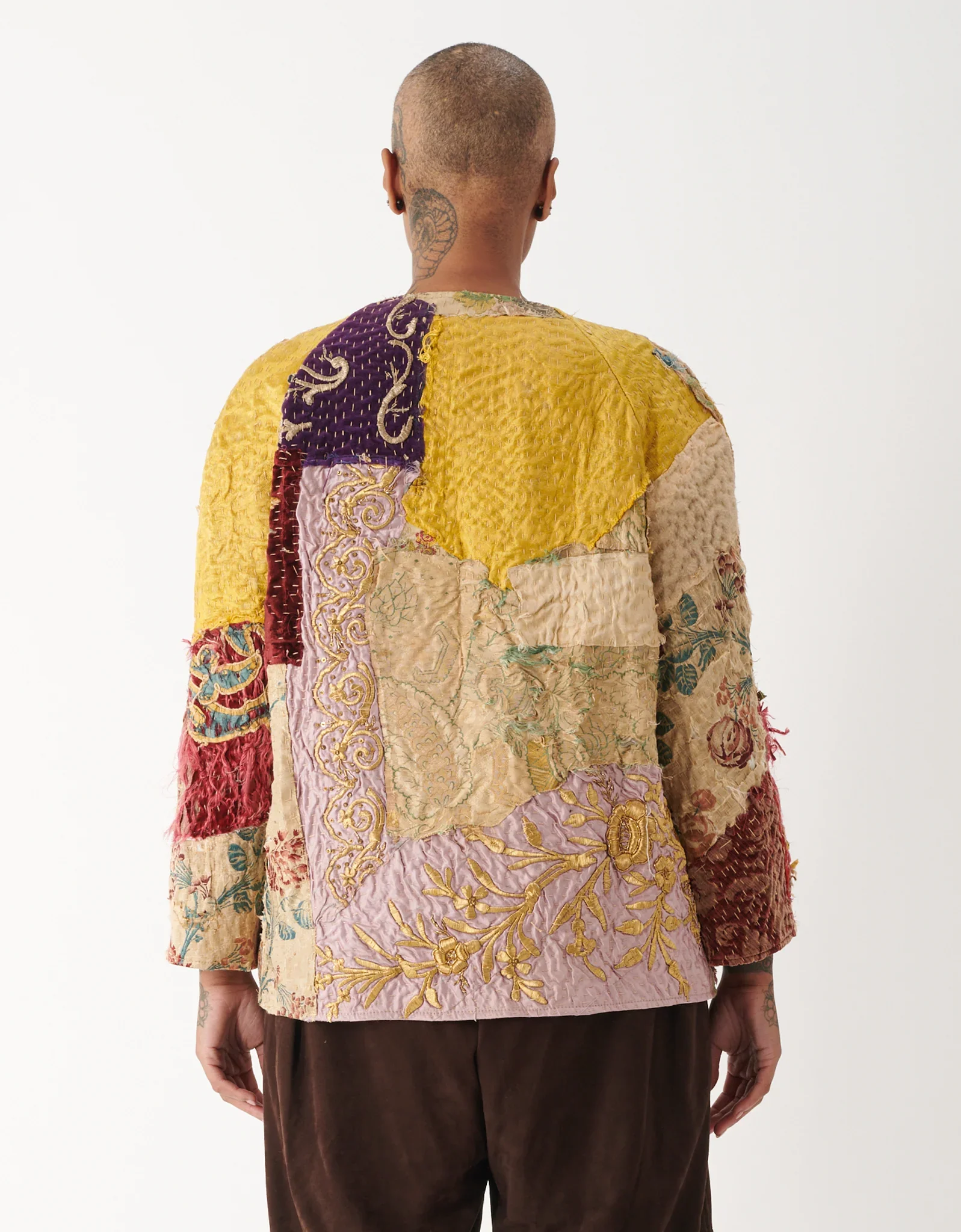
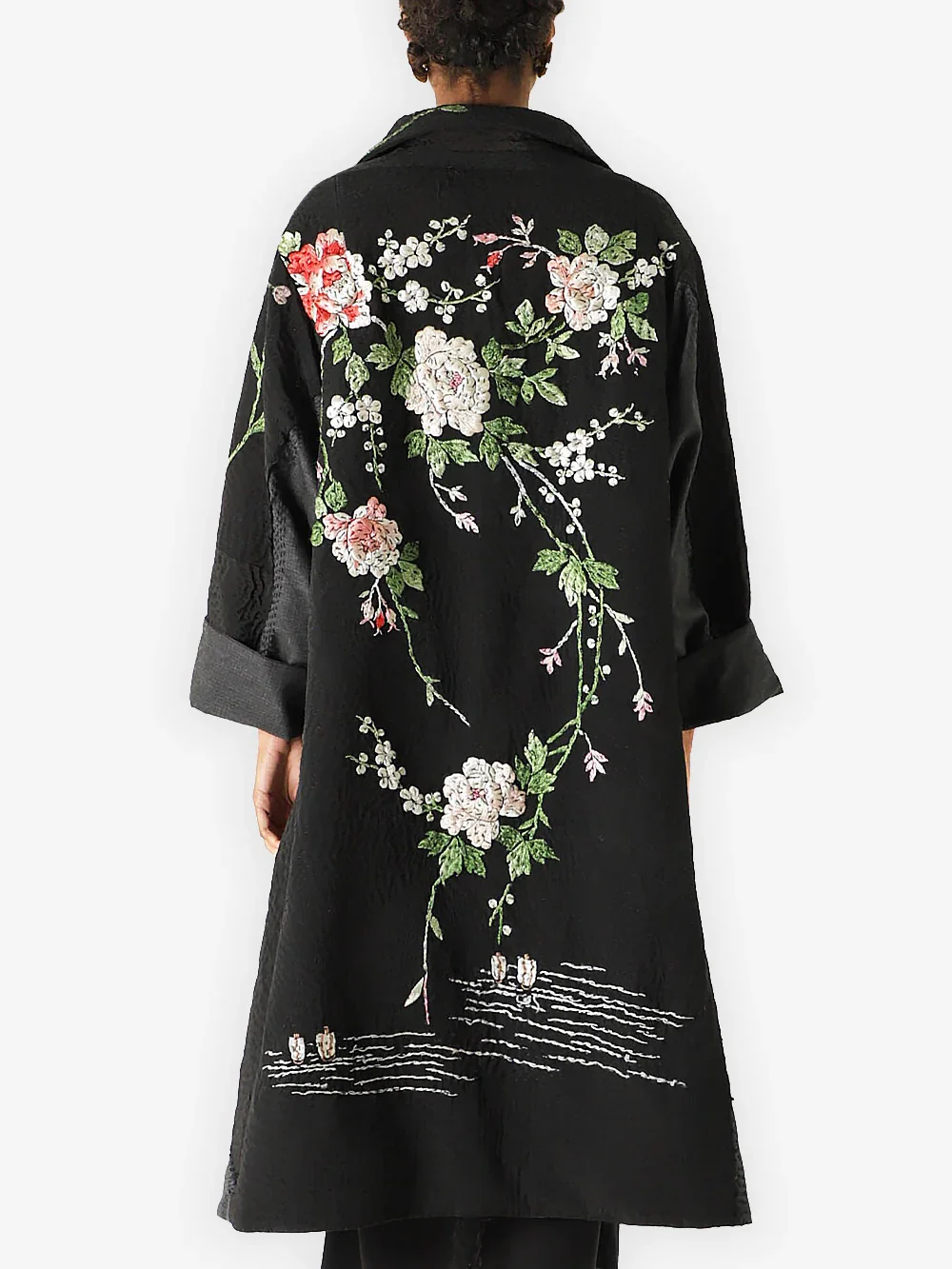
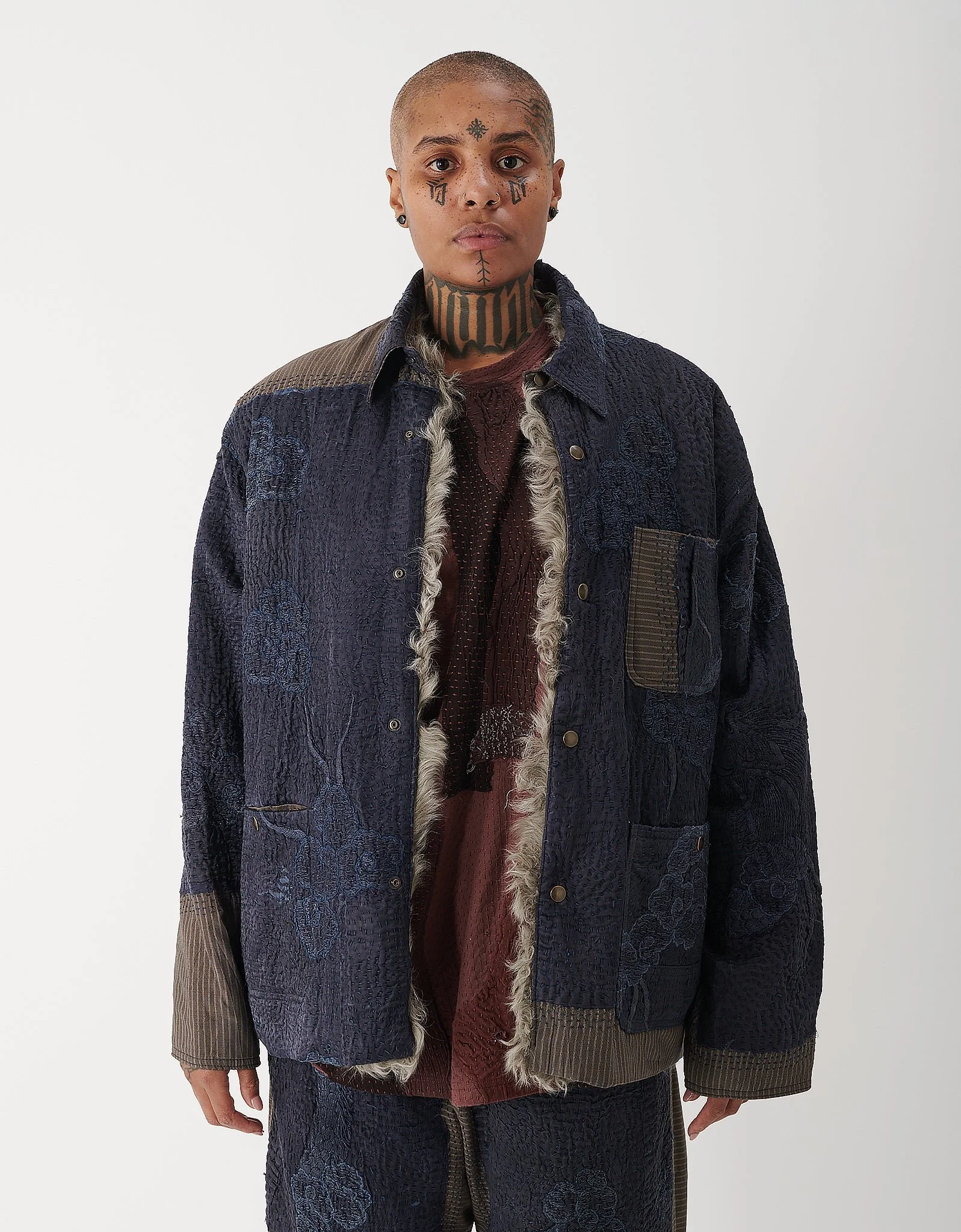
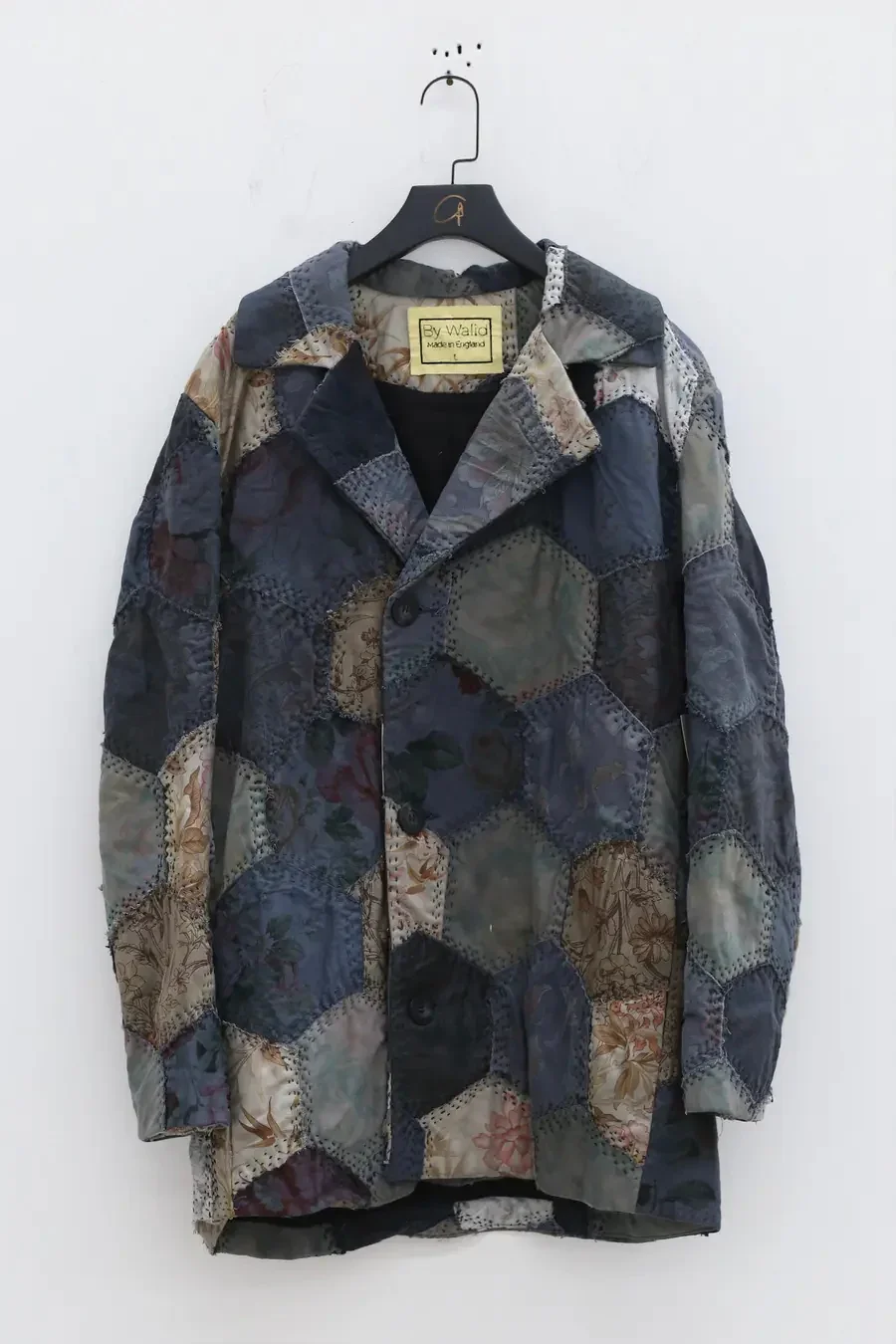
By Walid
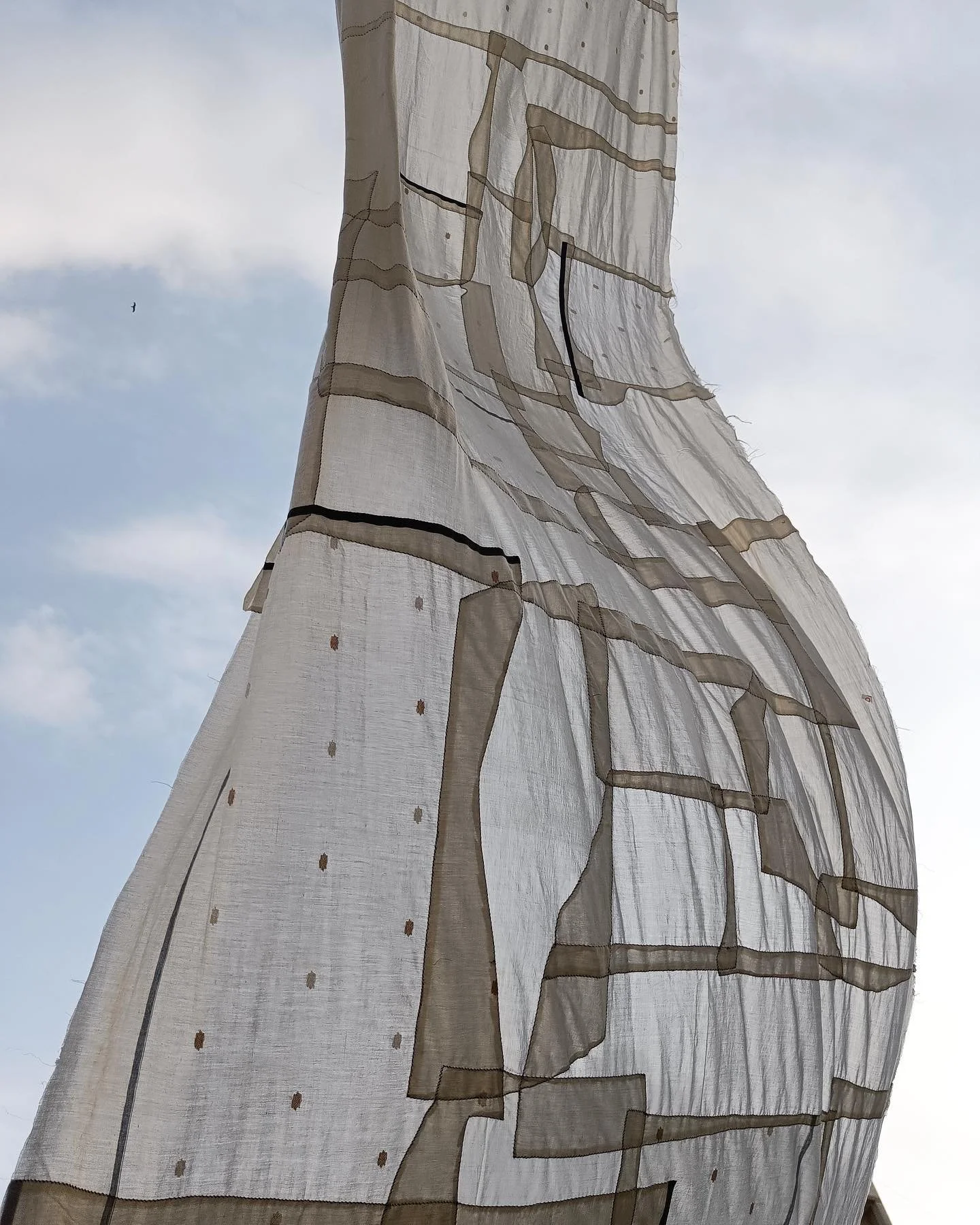
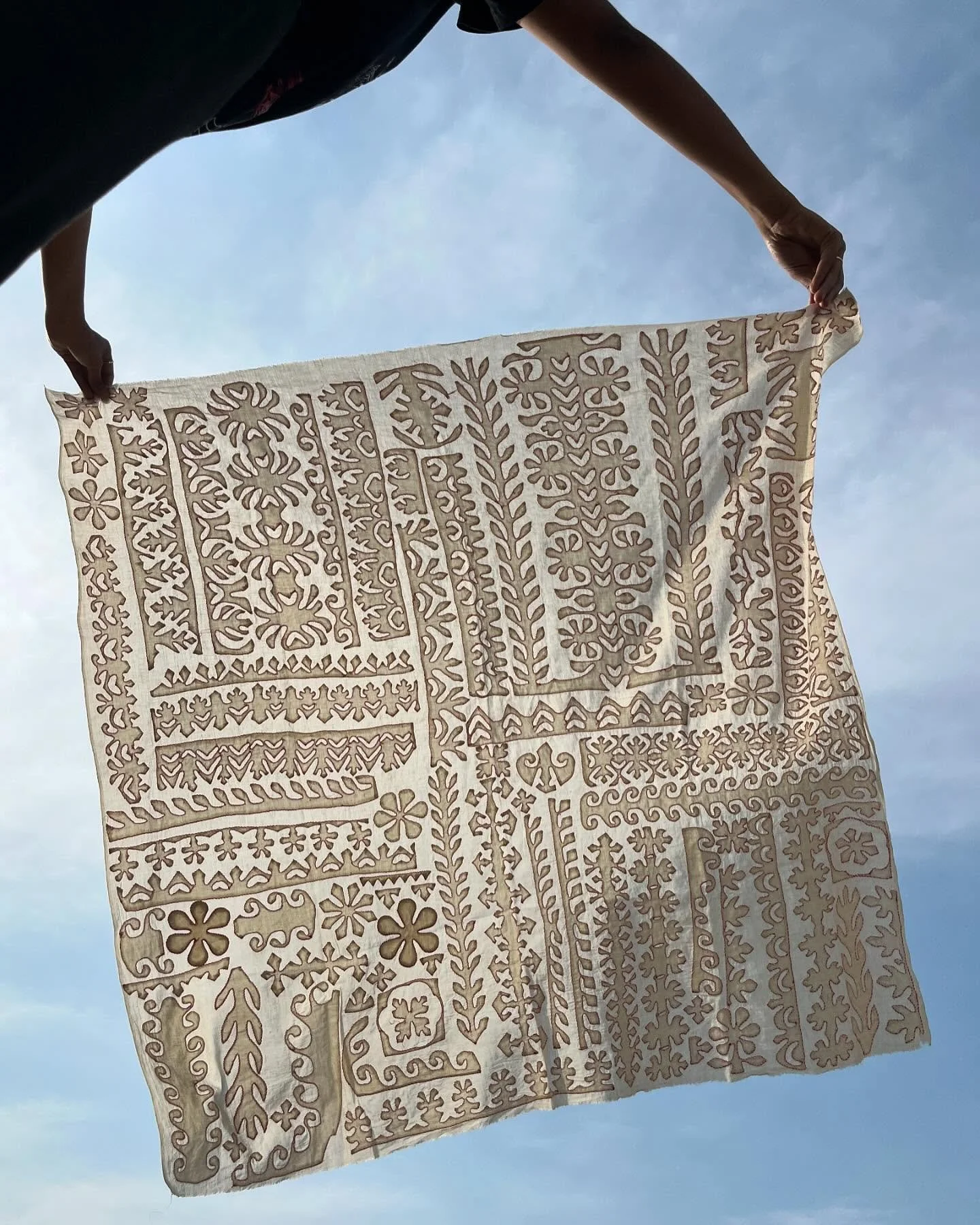
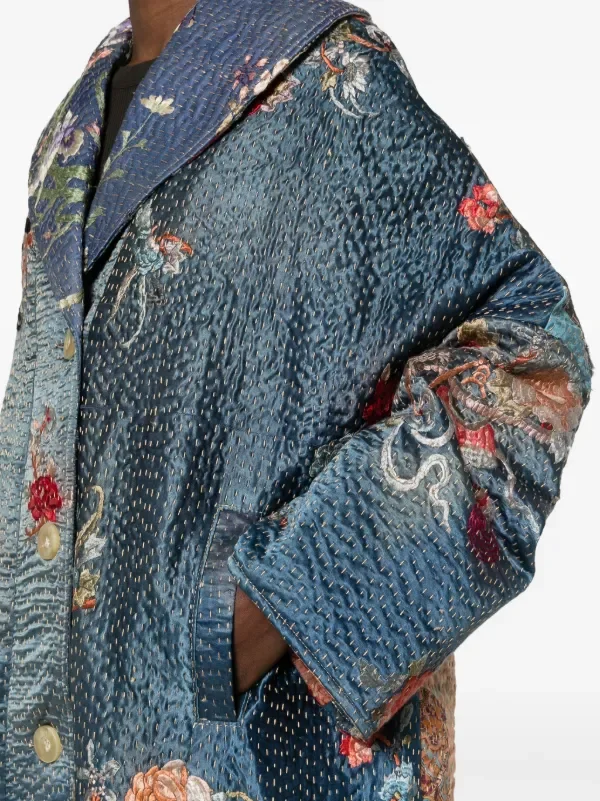
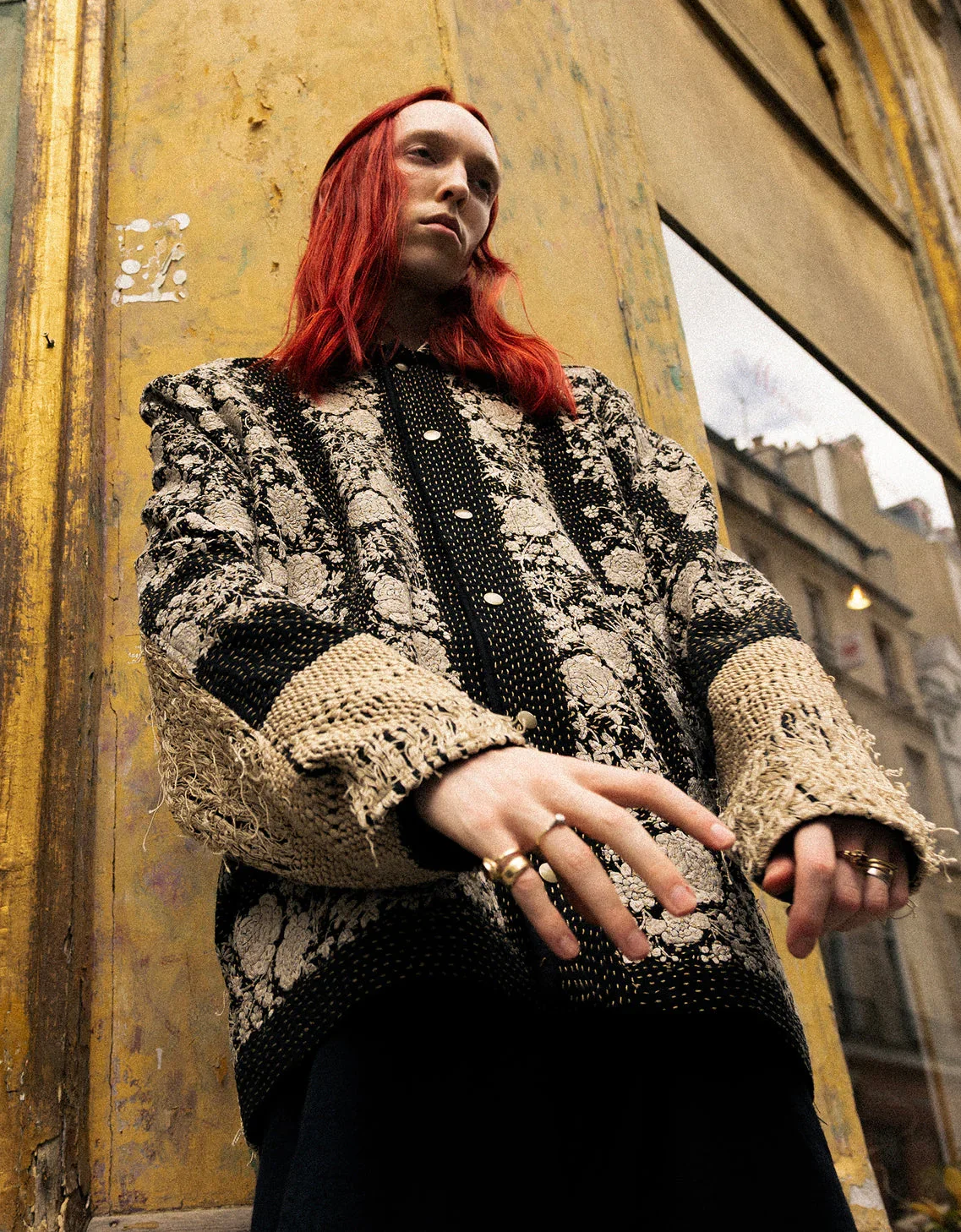
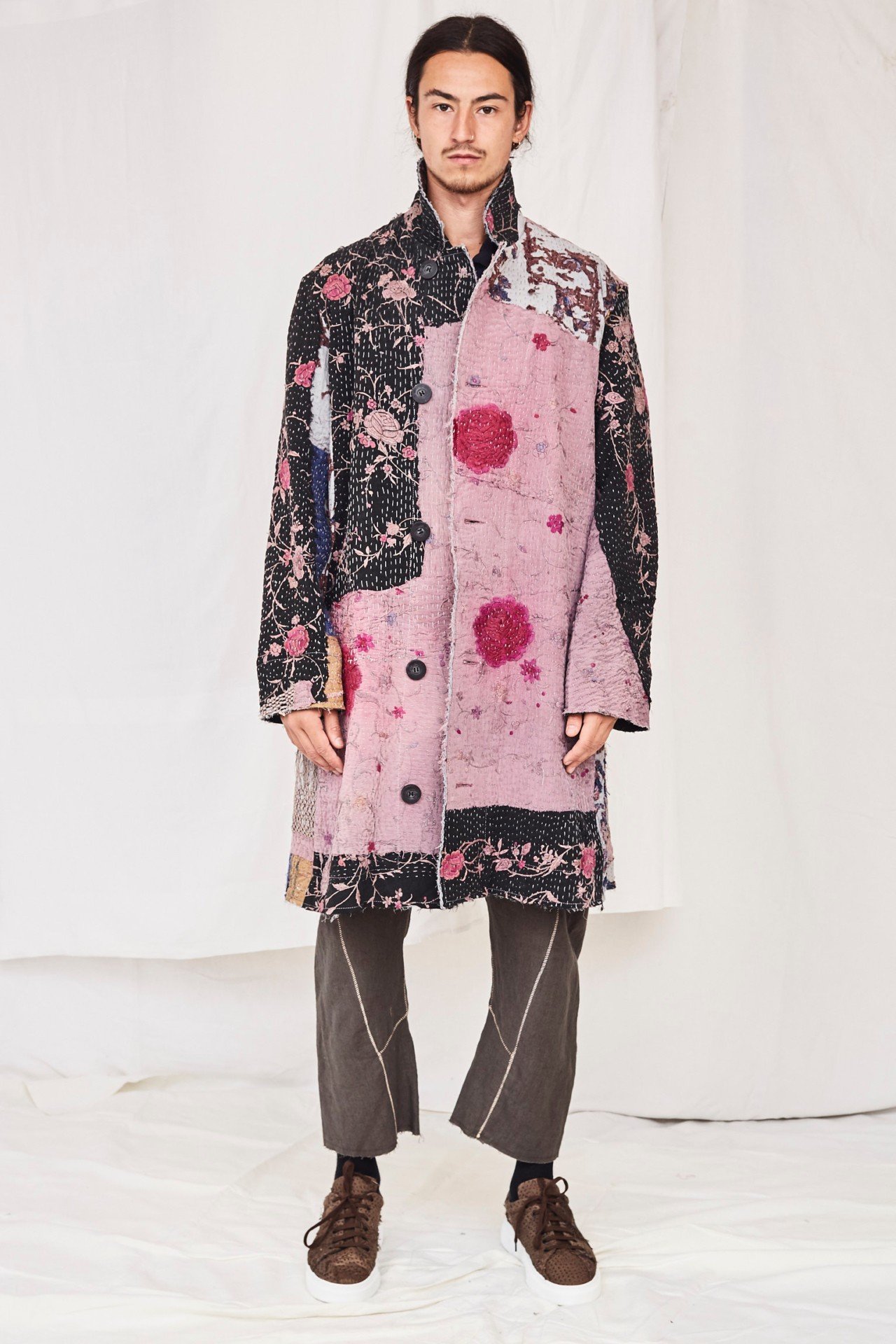
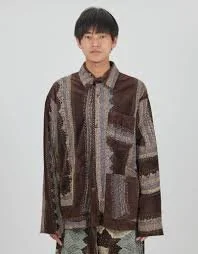
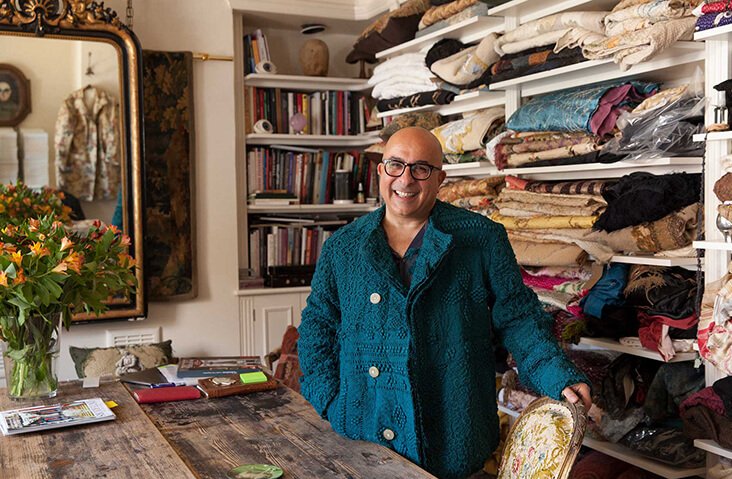
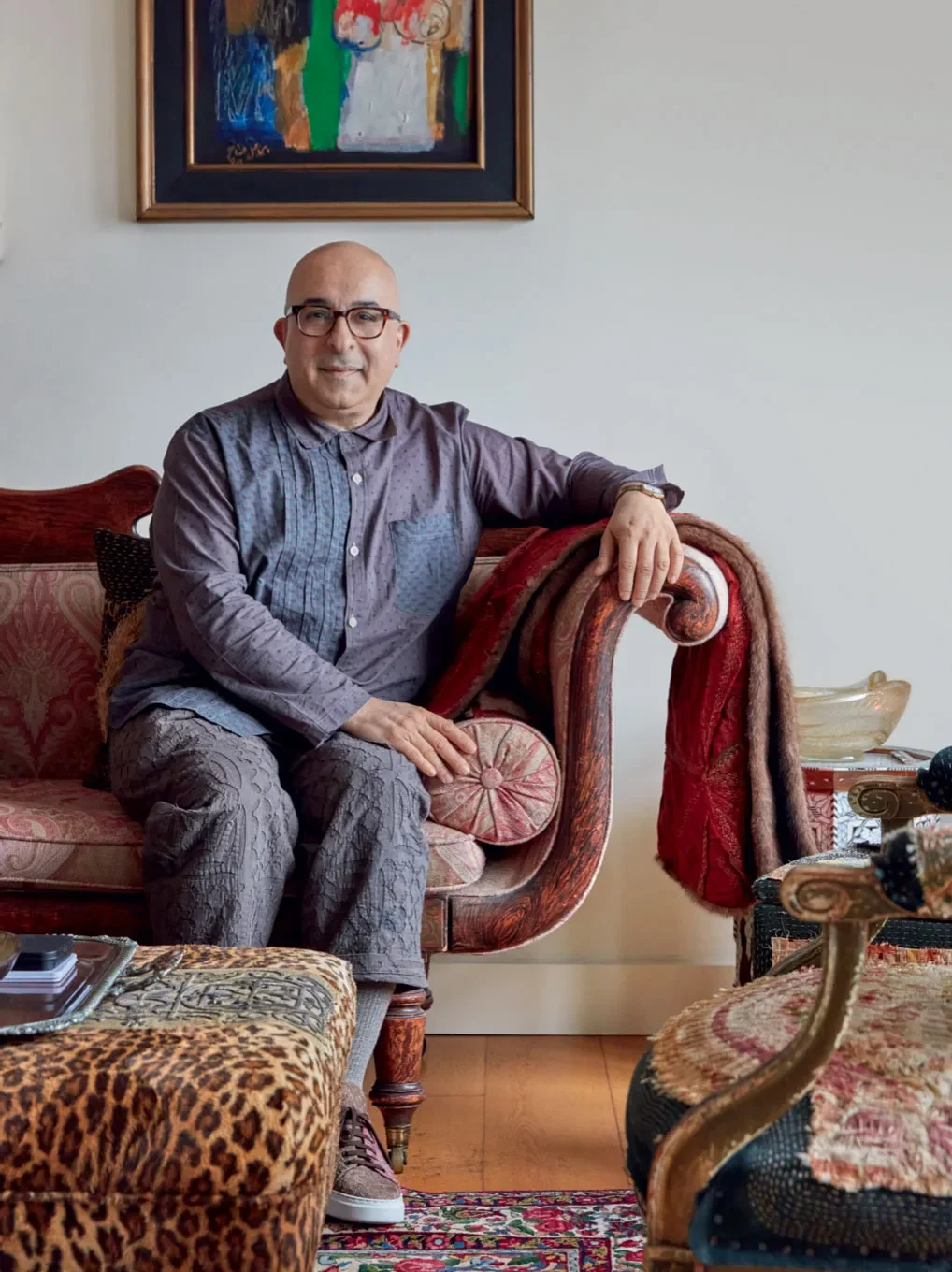
Antique textiles recomposed into singular garments; time made visible; fewer pieces, higher integrity.
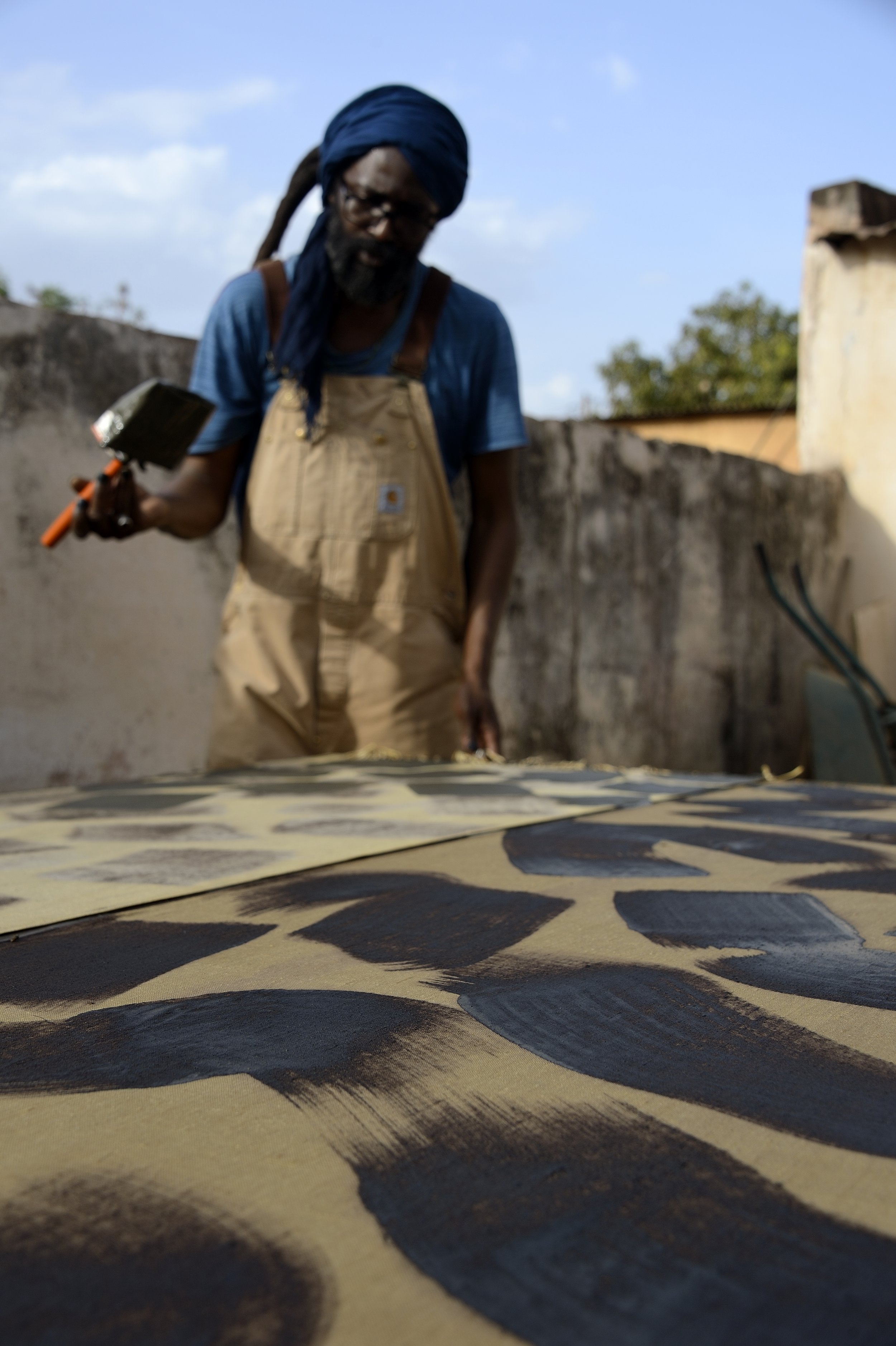
Aboubakar Fofana
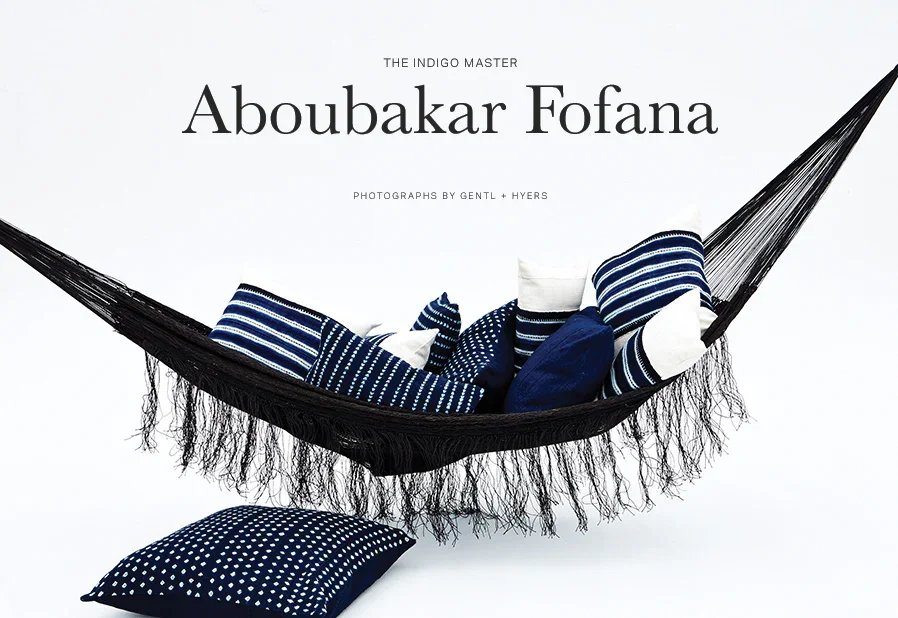
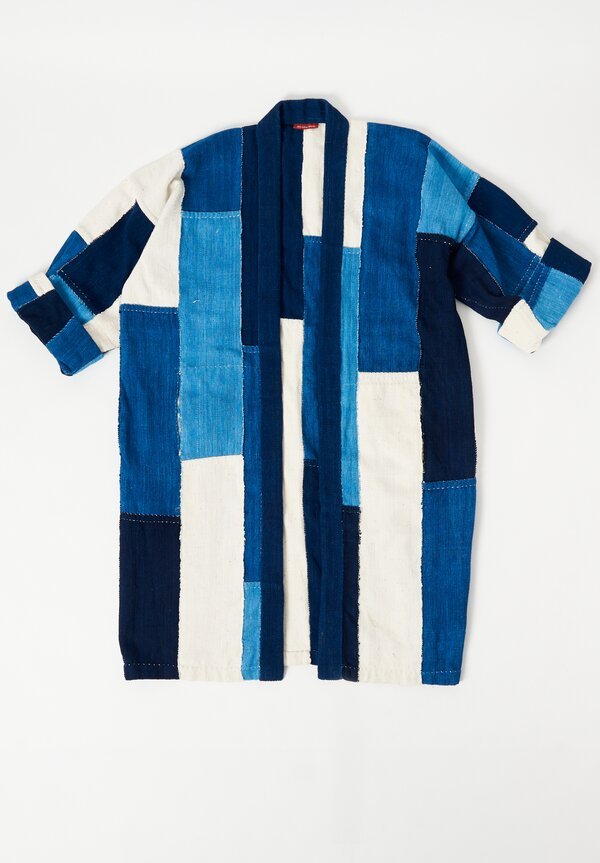
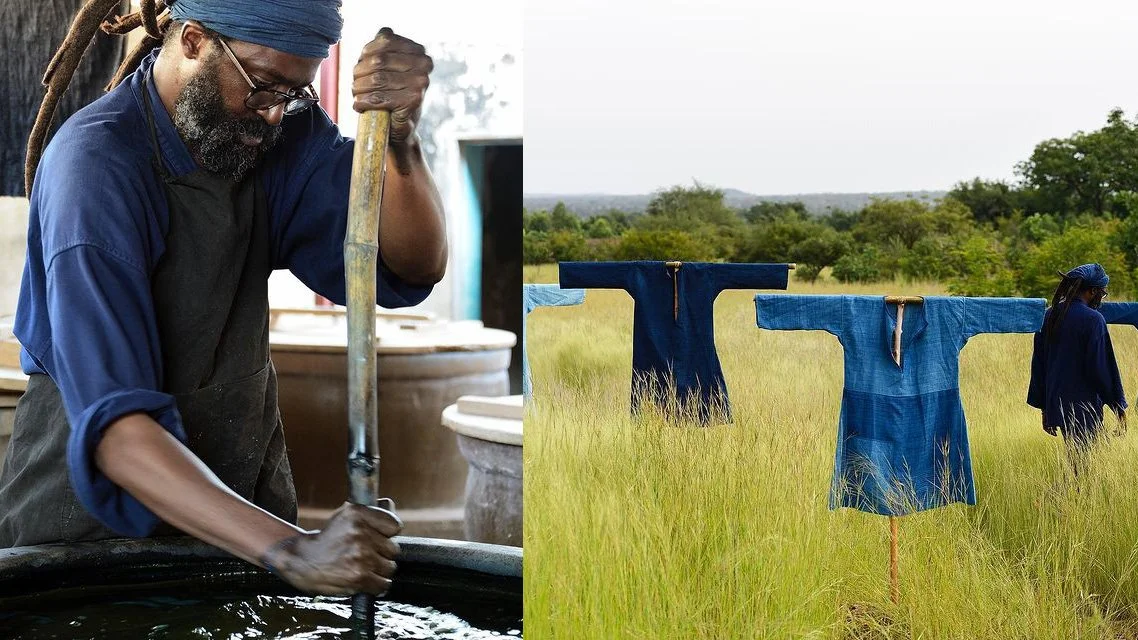
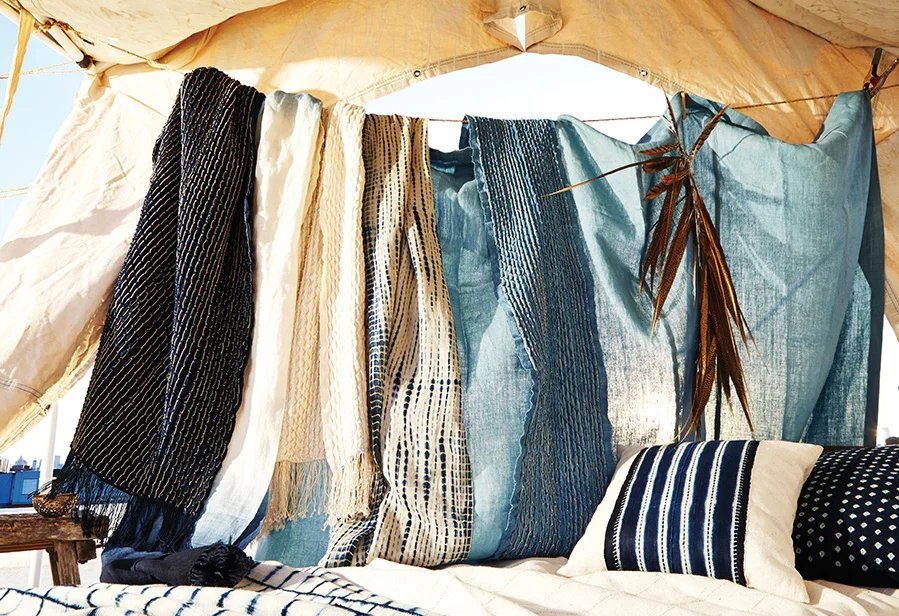
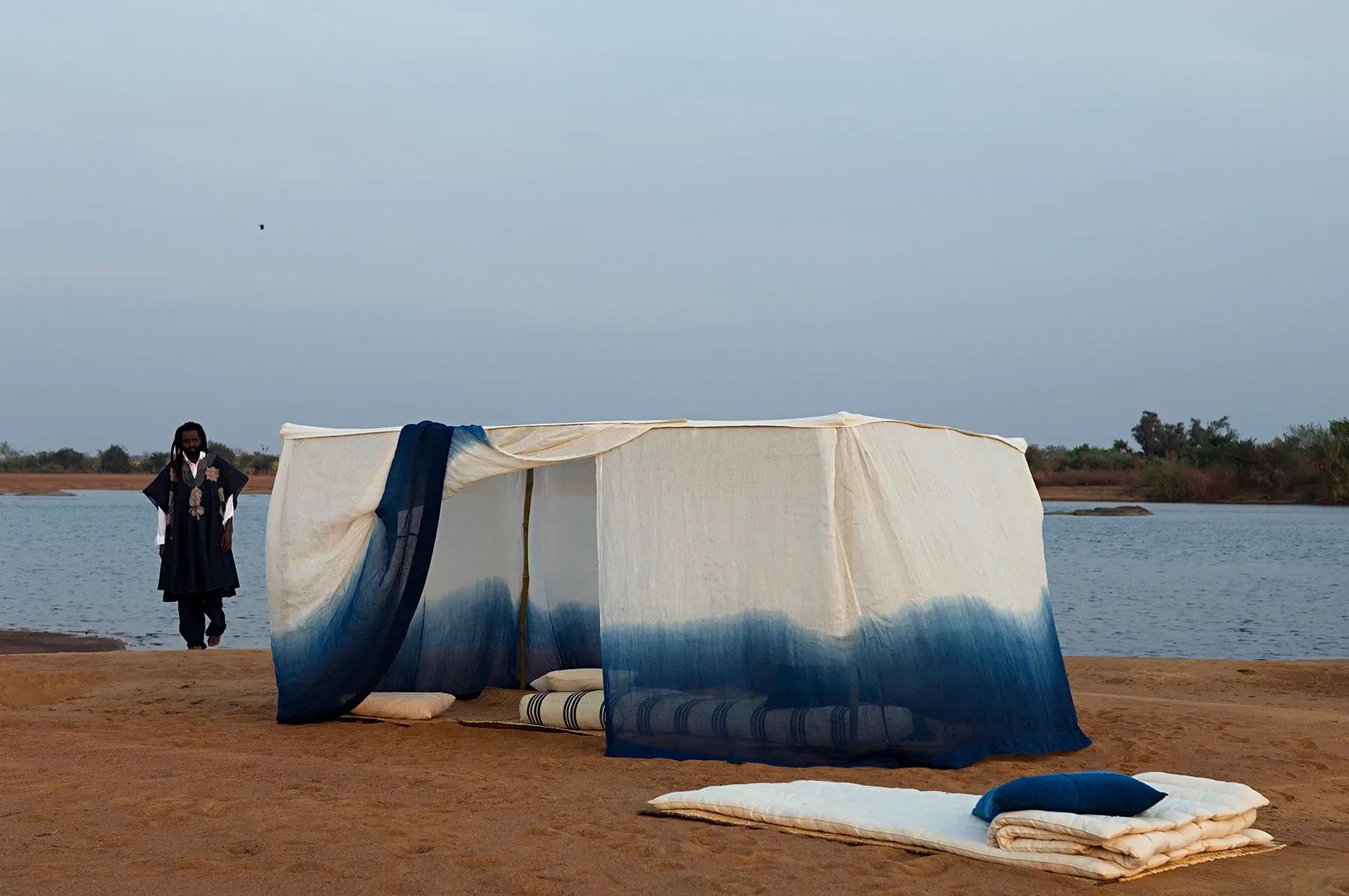
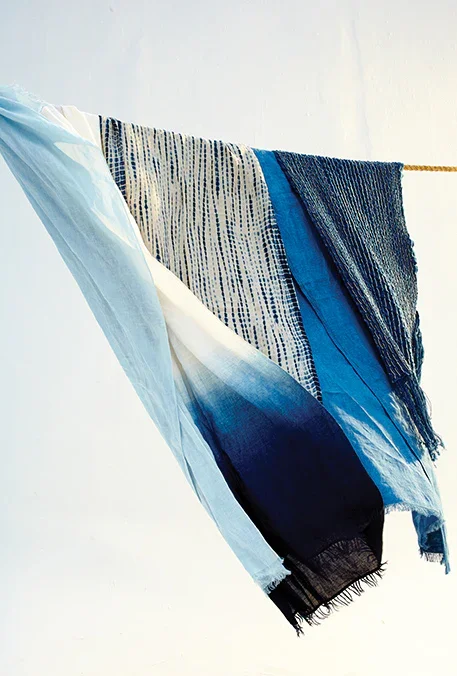
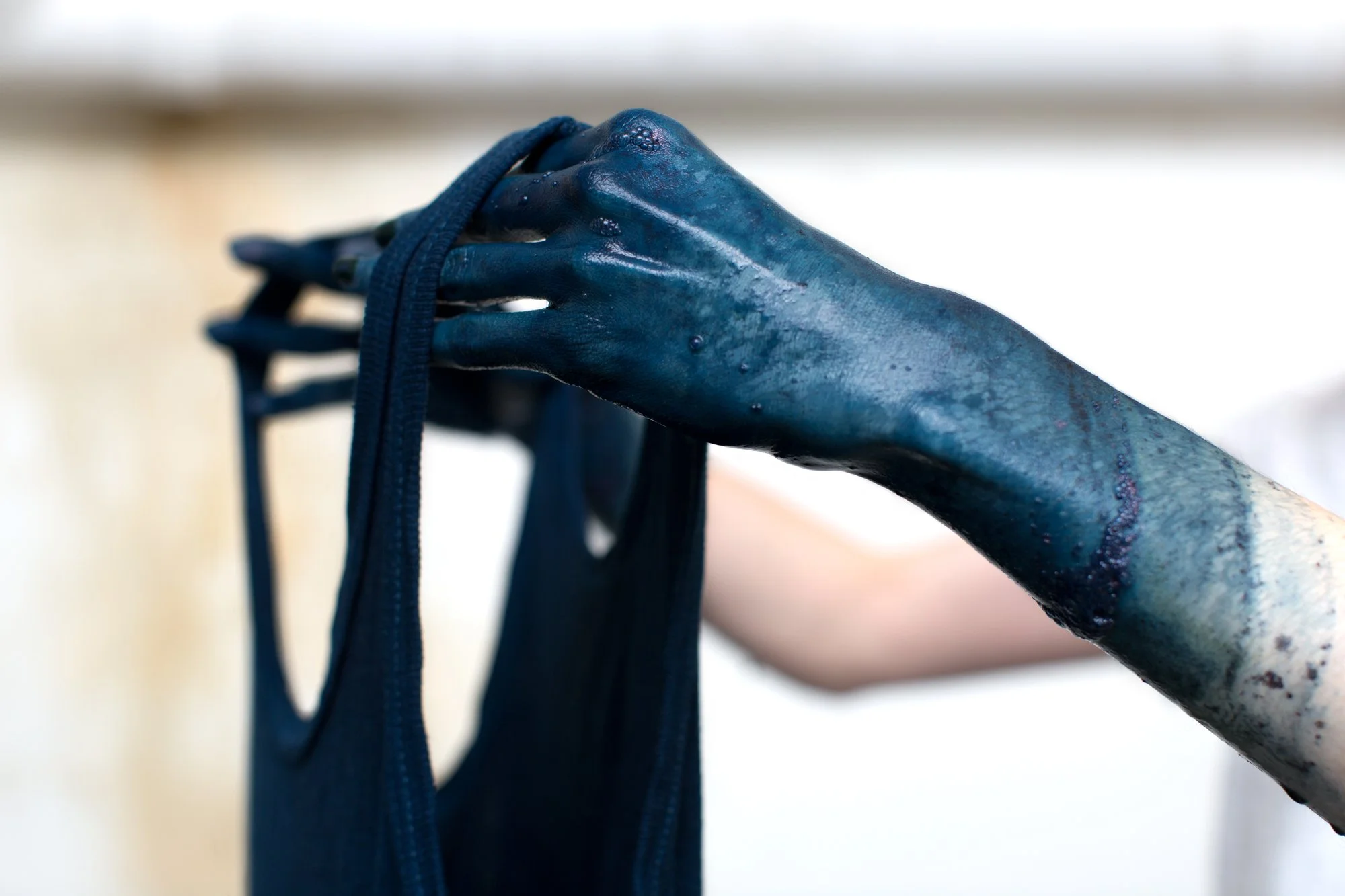
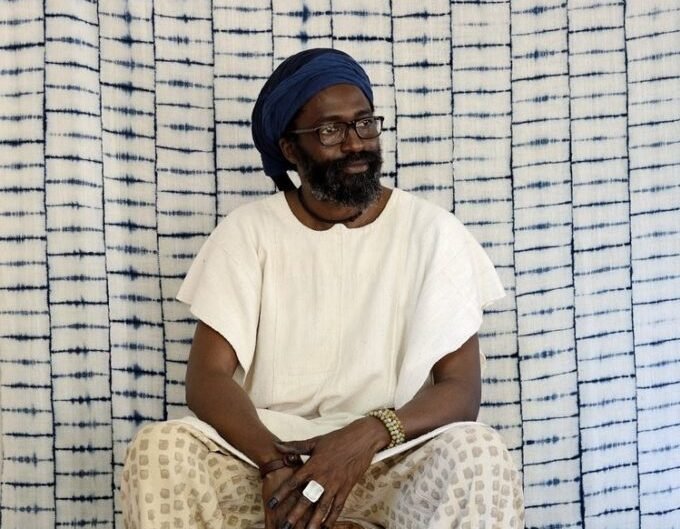
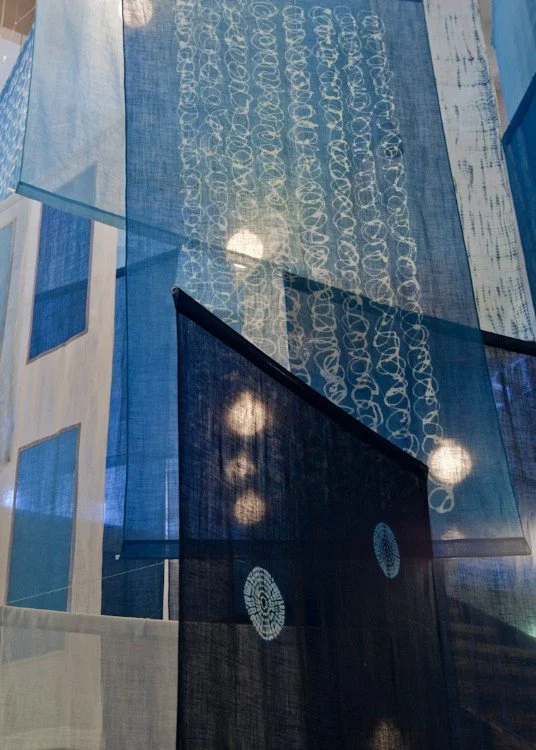
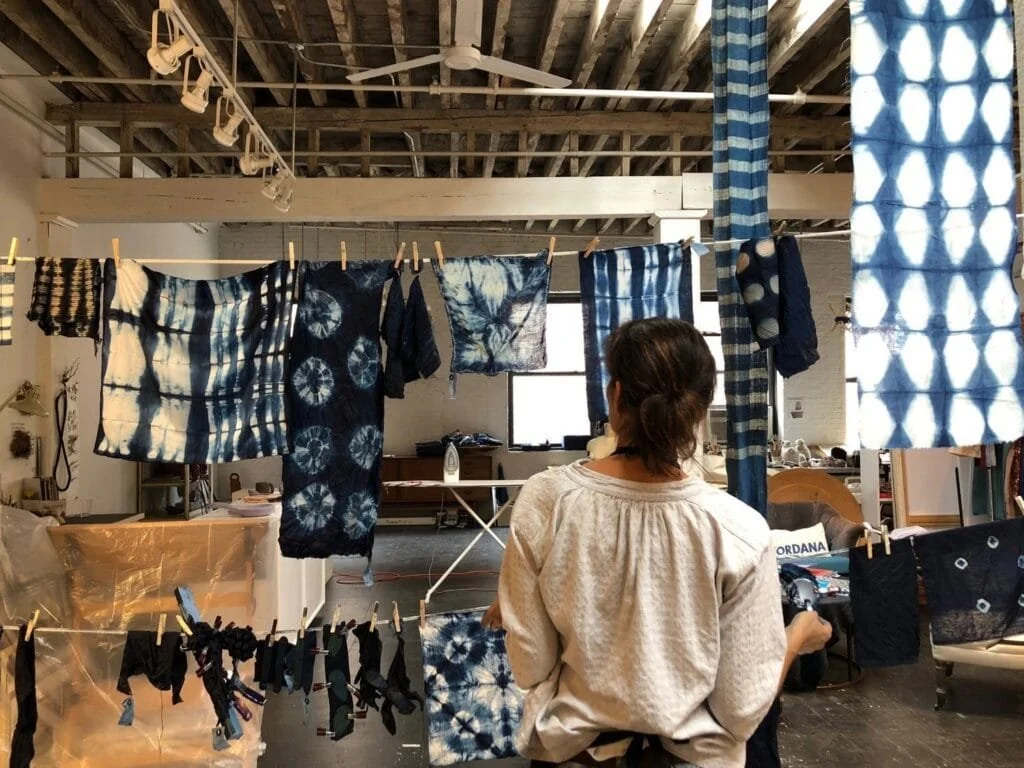
Botanical indigo mastery; fermentation vats, terroir-based colour, community training as proof; seasonless capsules.
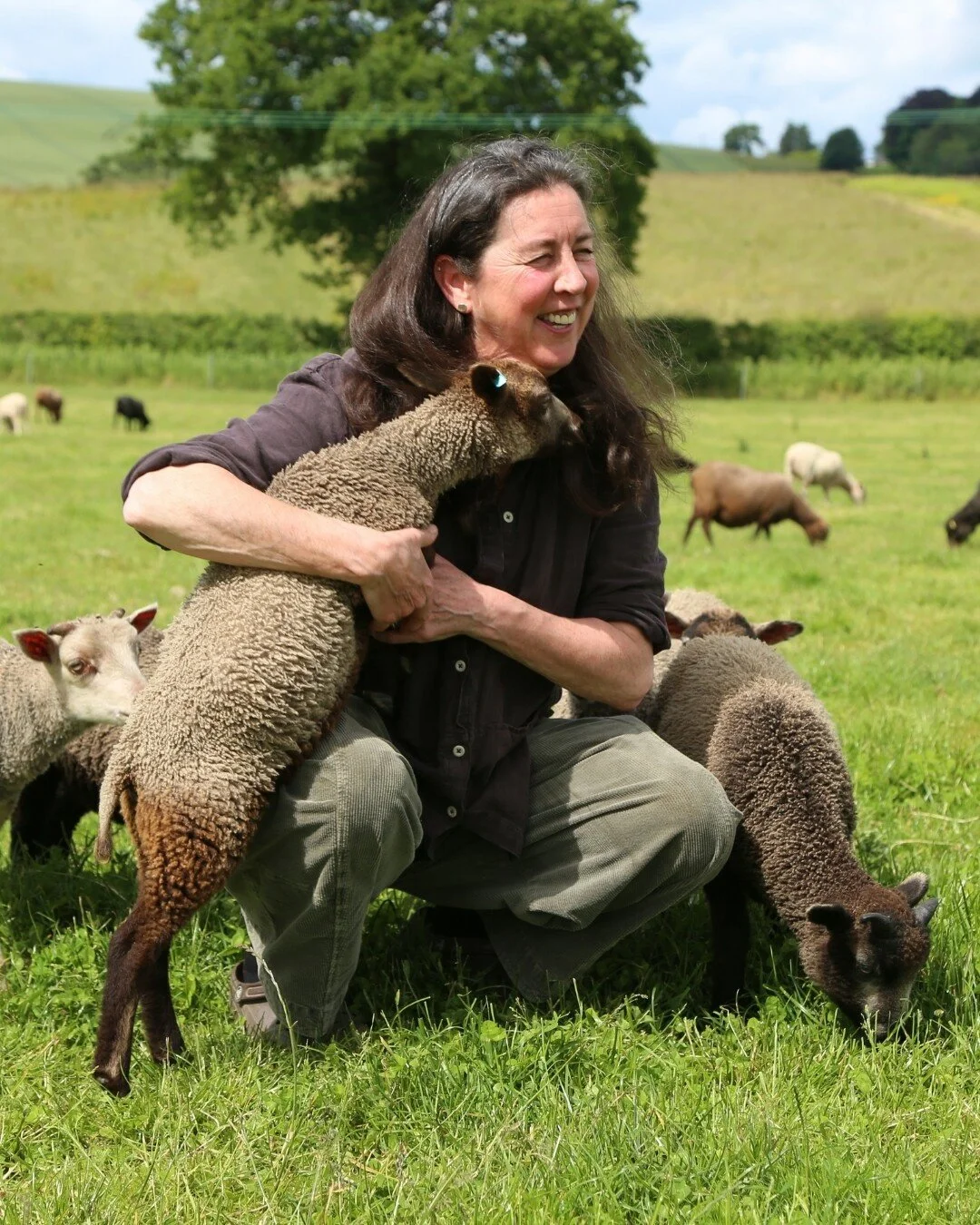
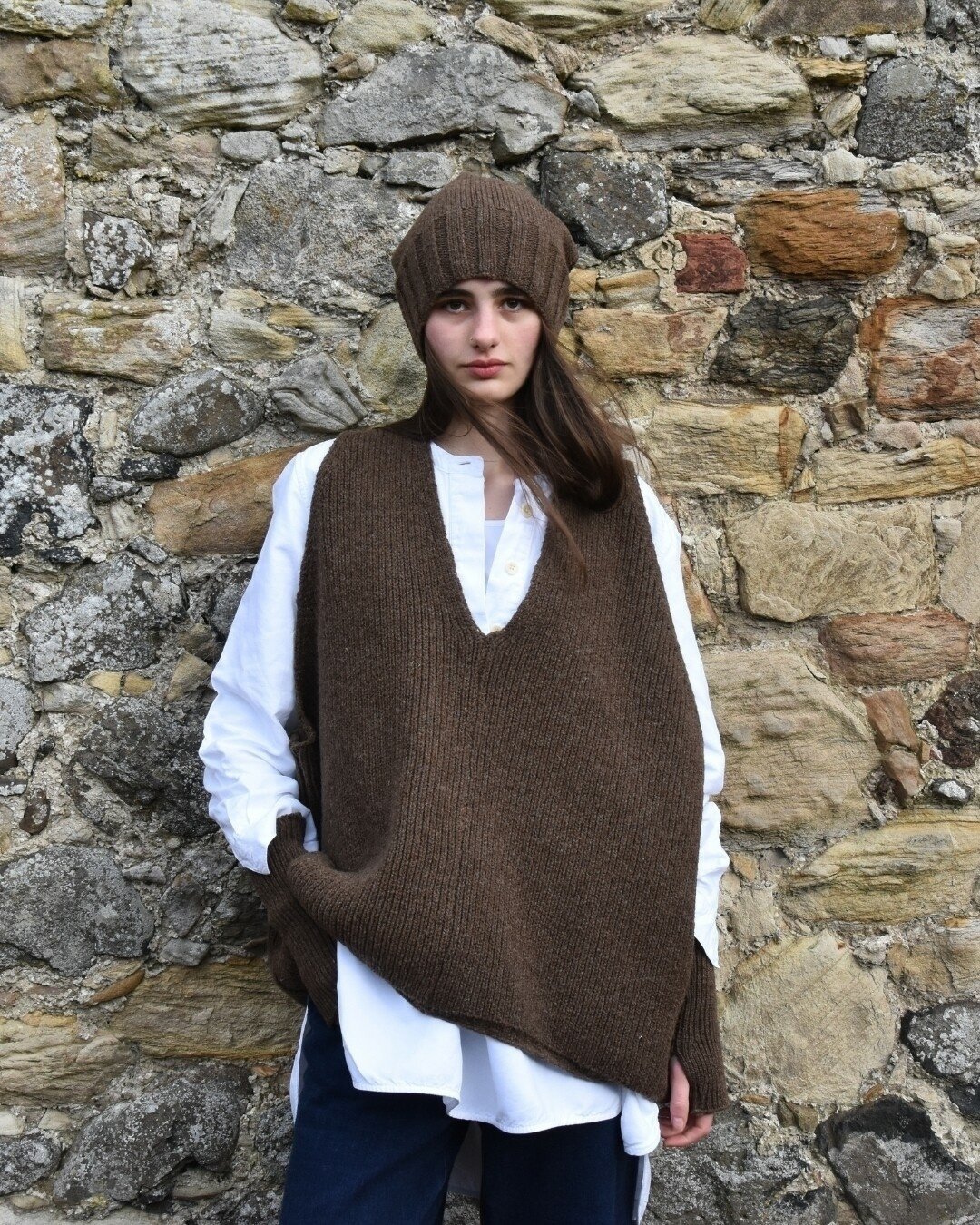
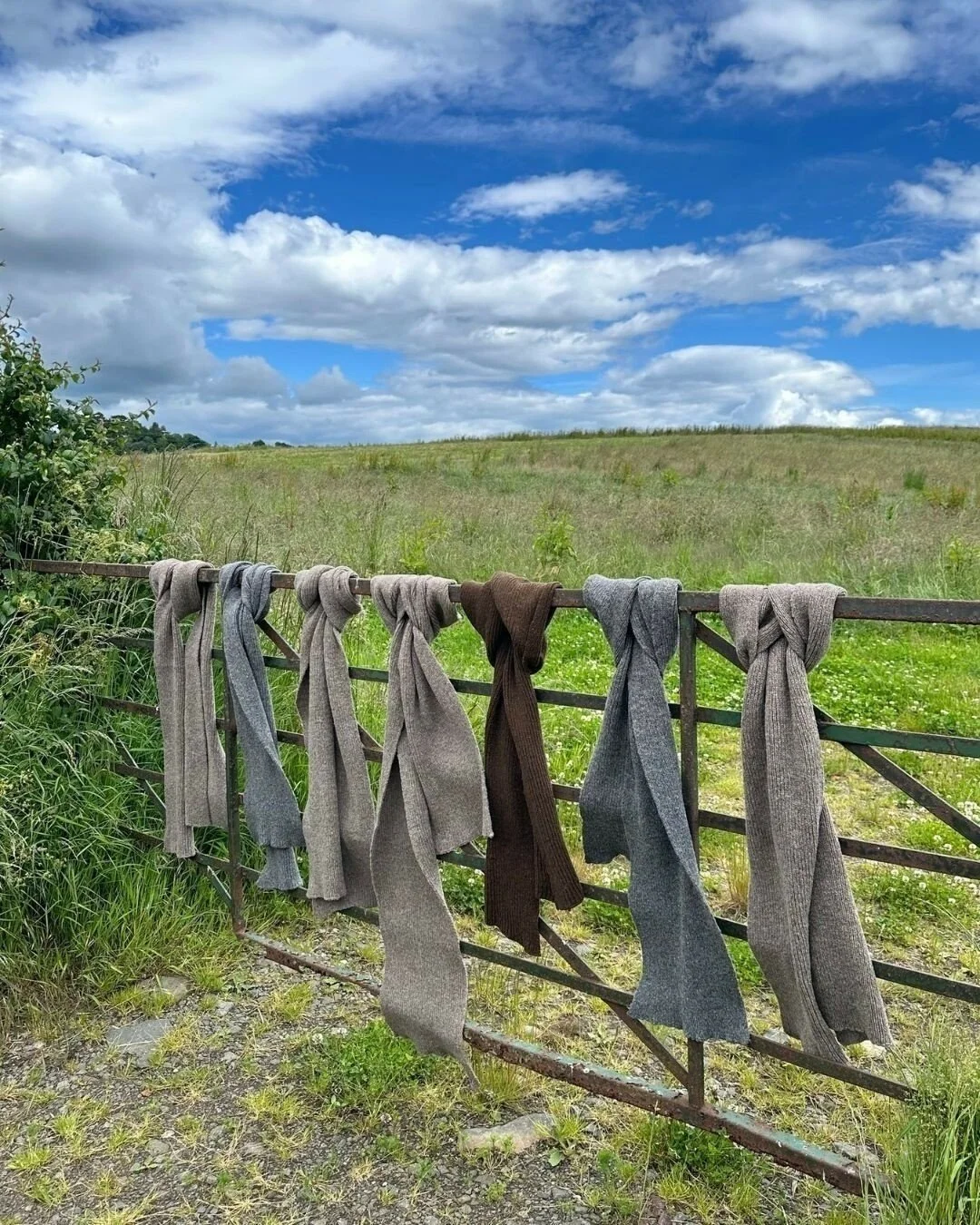
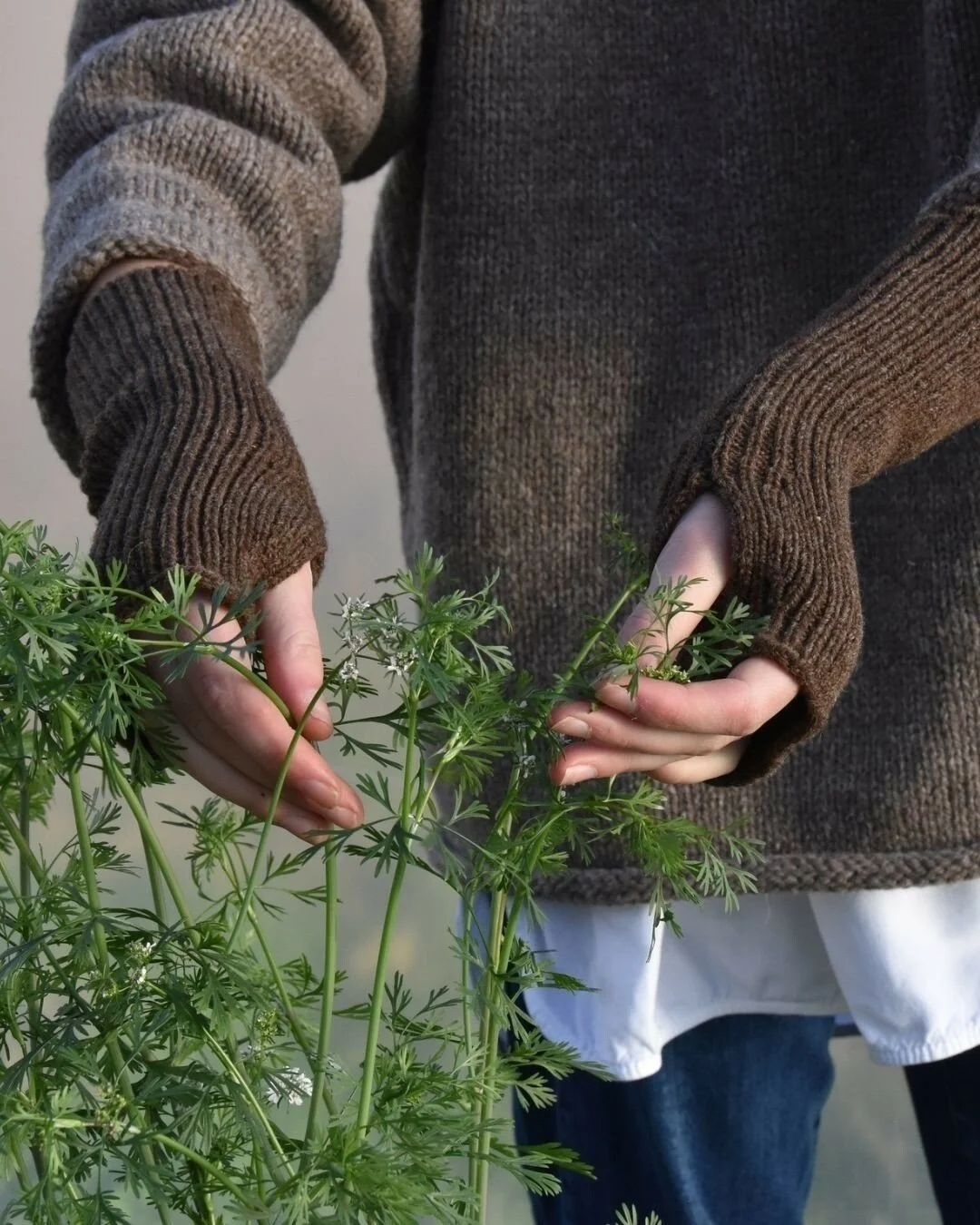
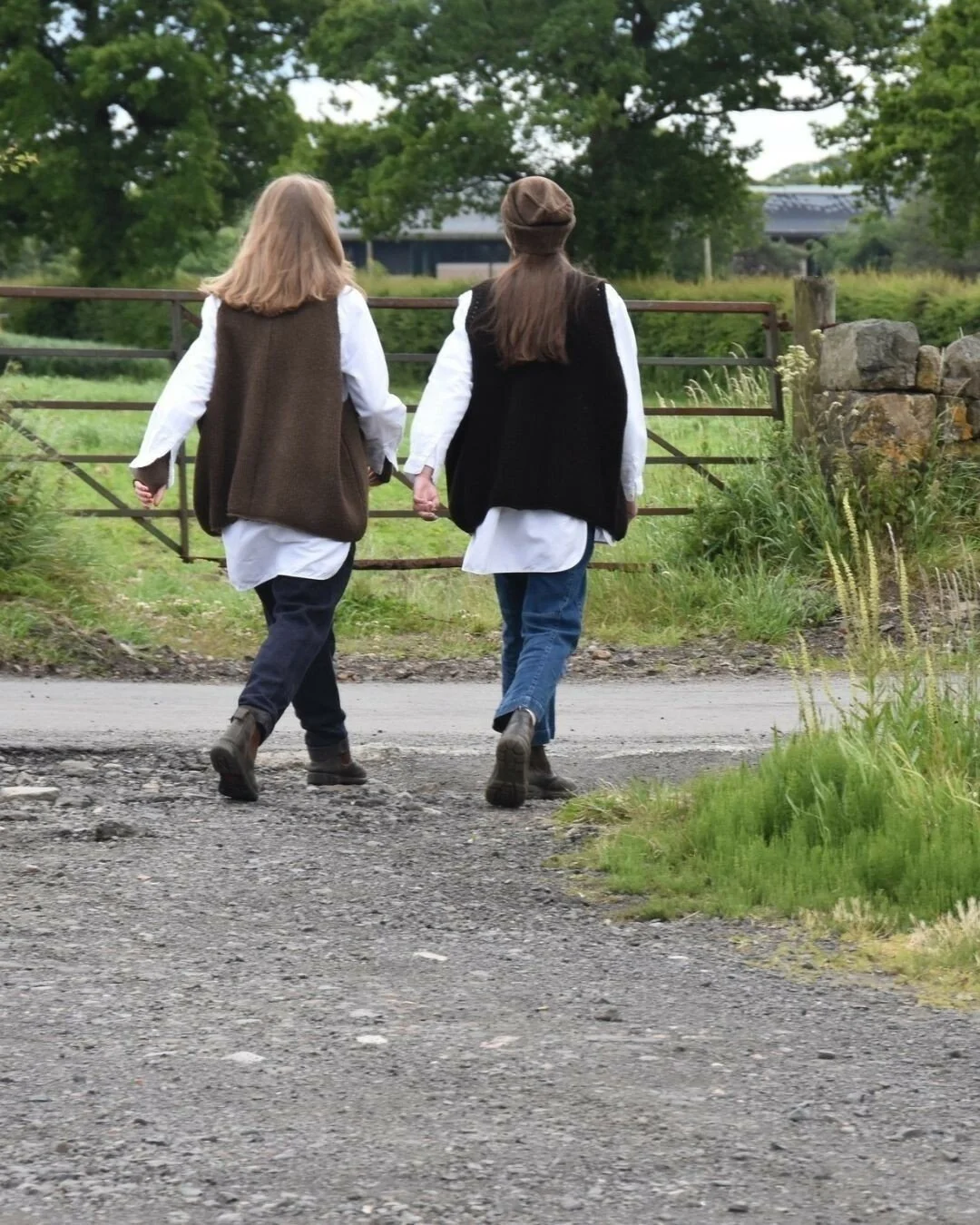
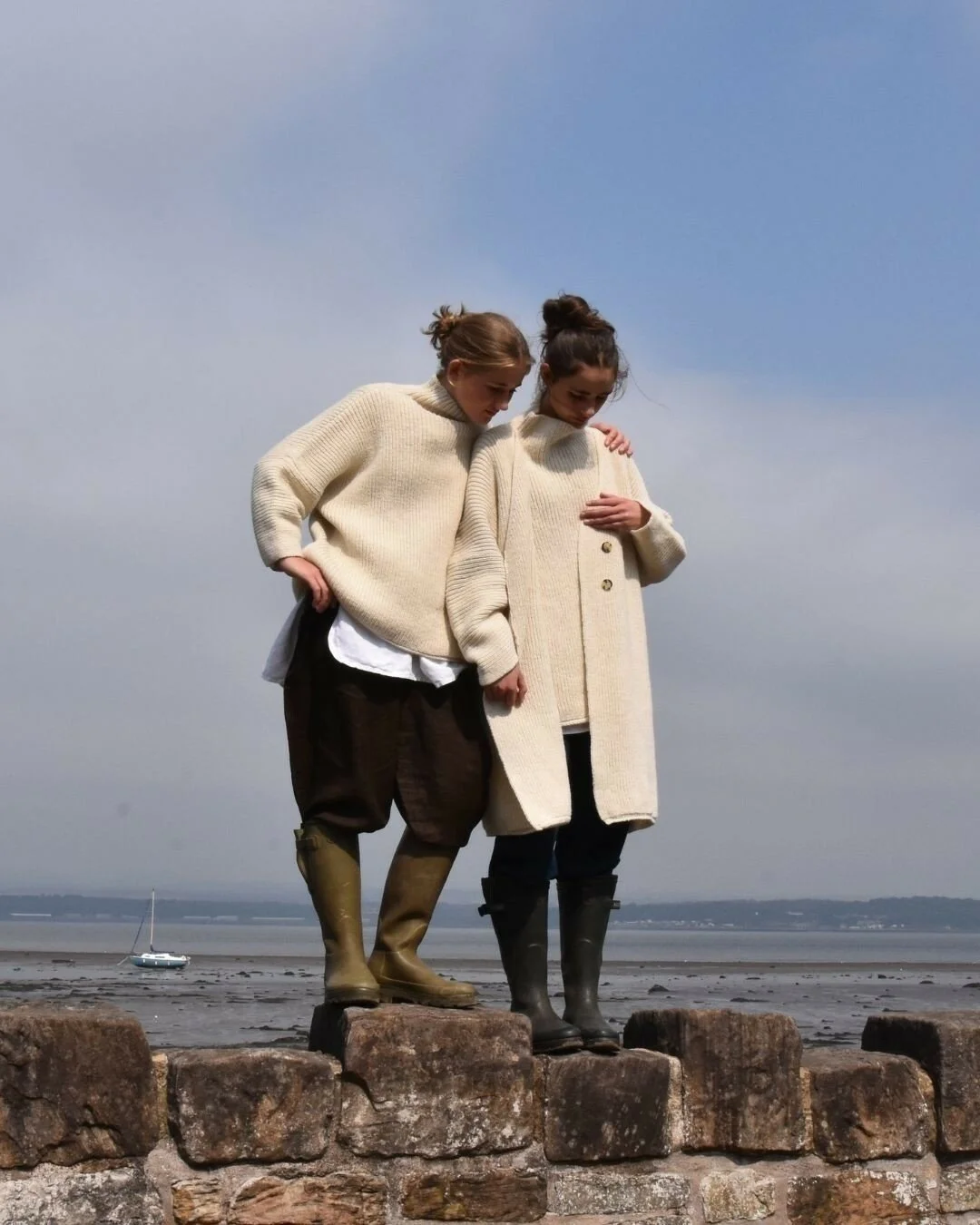
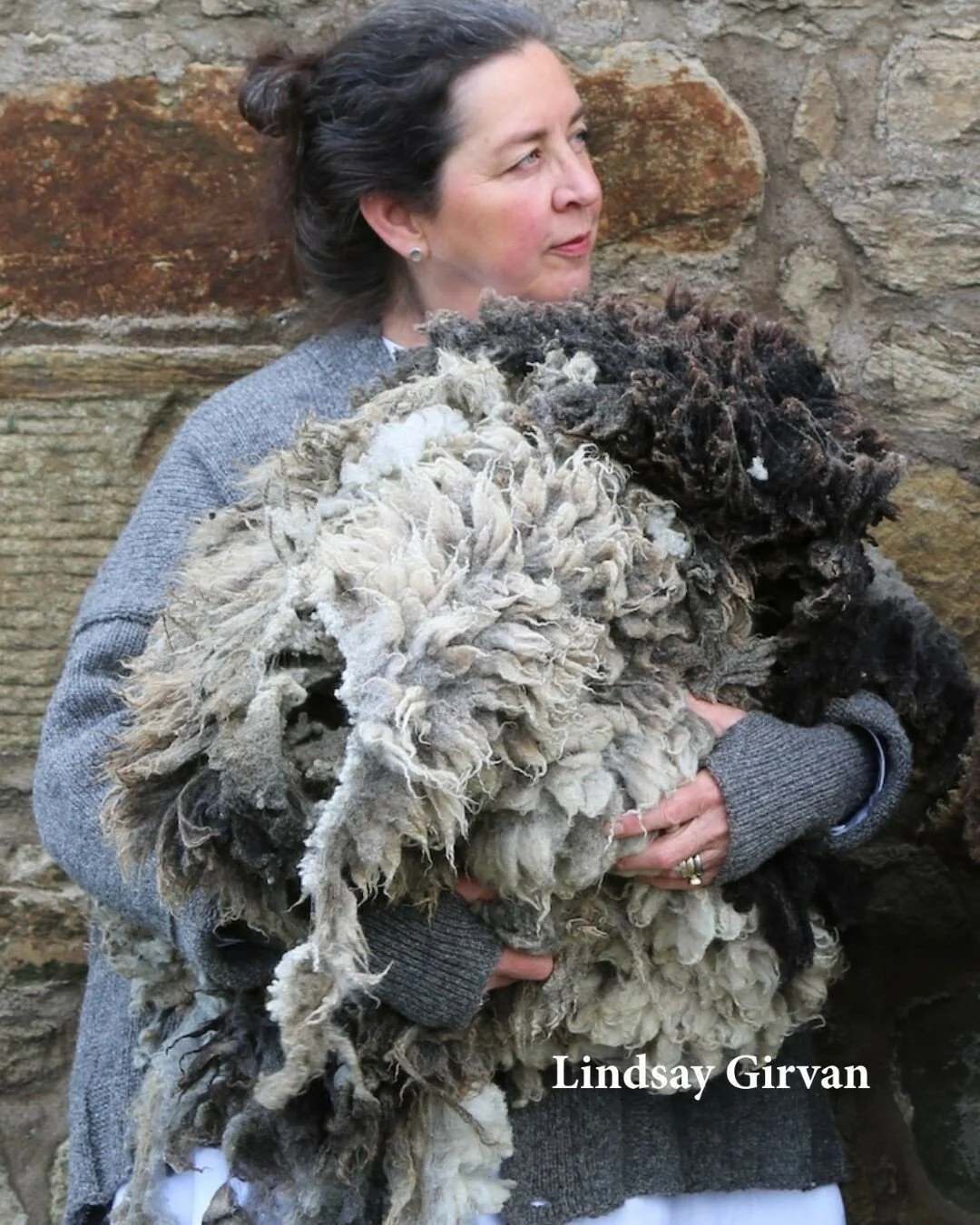
Lindsay Girvan Future Vintage
Curates, repairs, recontextualises for long life; champions reuse as luxury.






Siddi Quilts
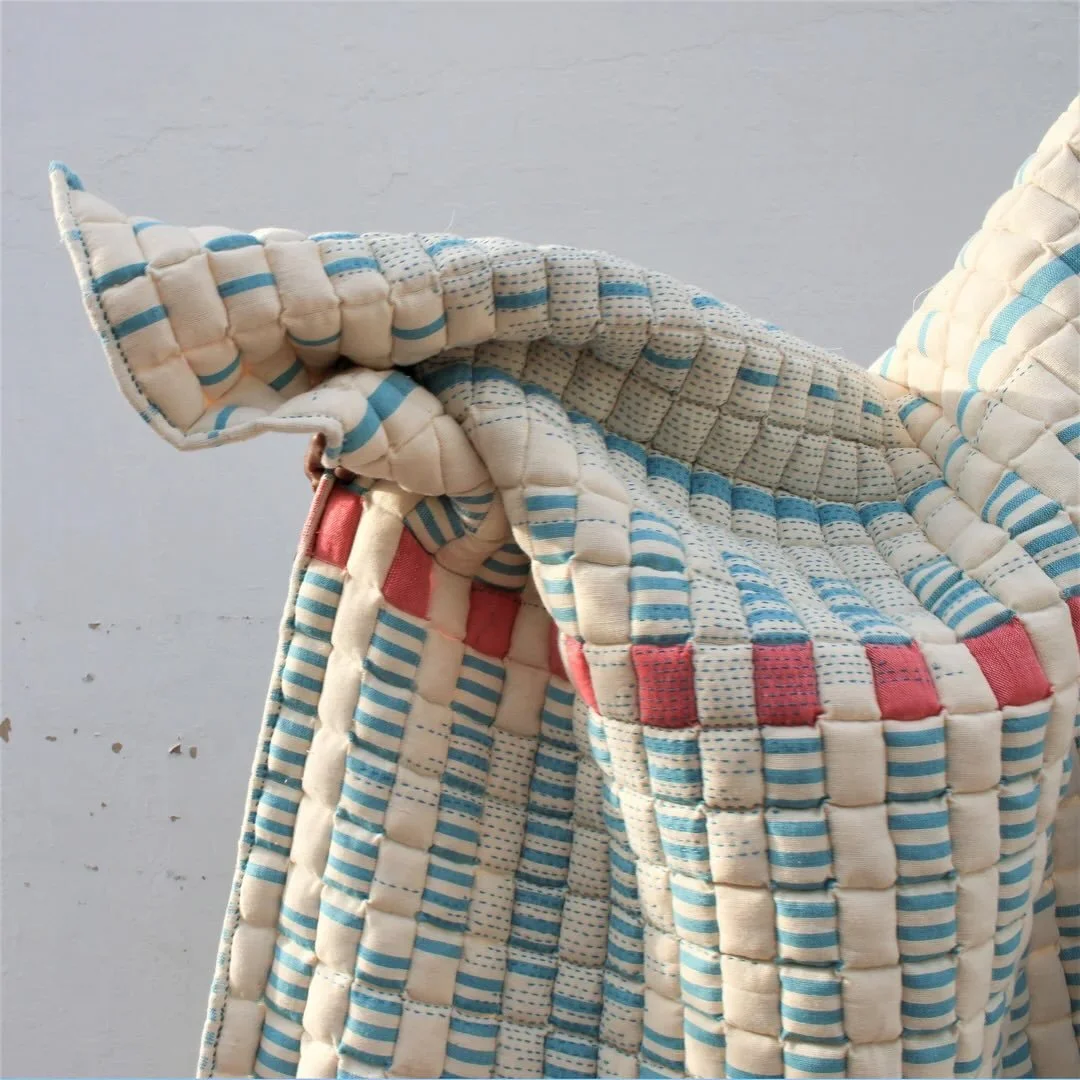
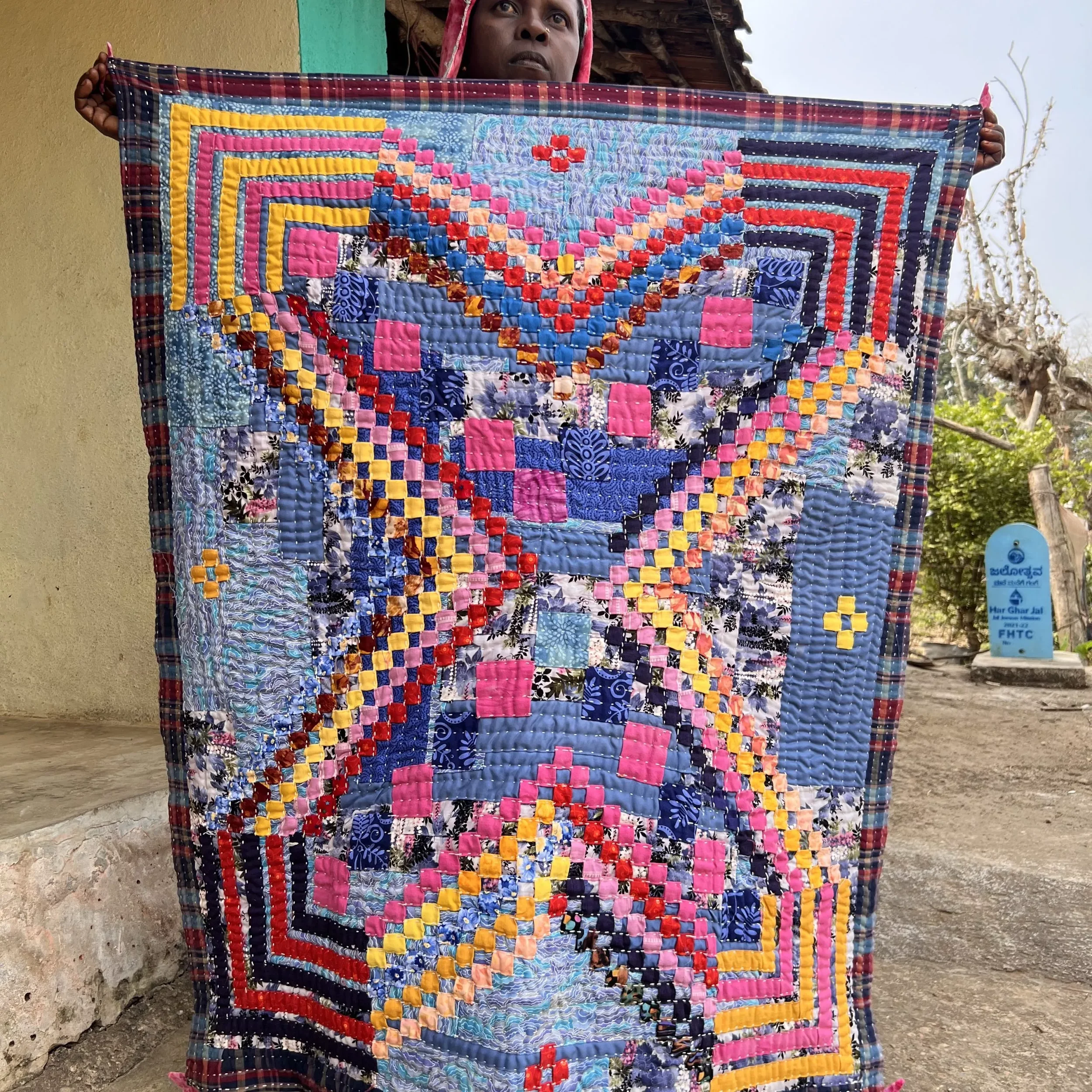
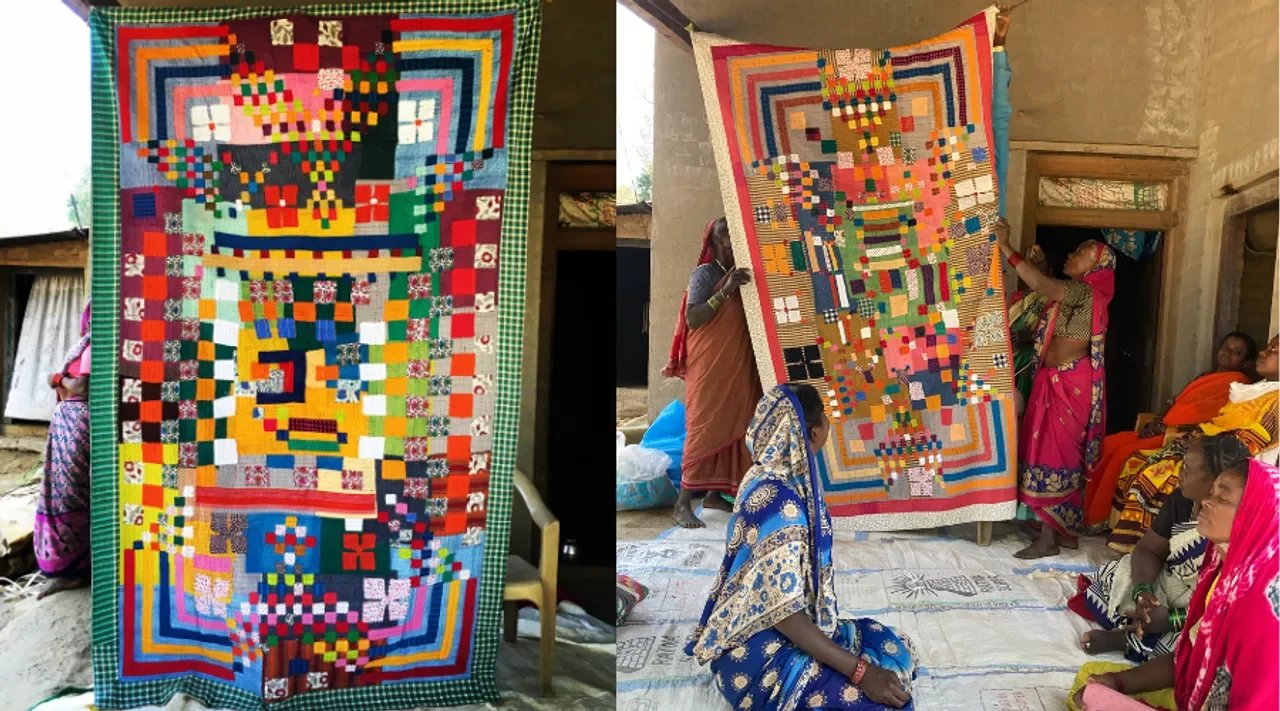
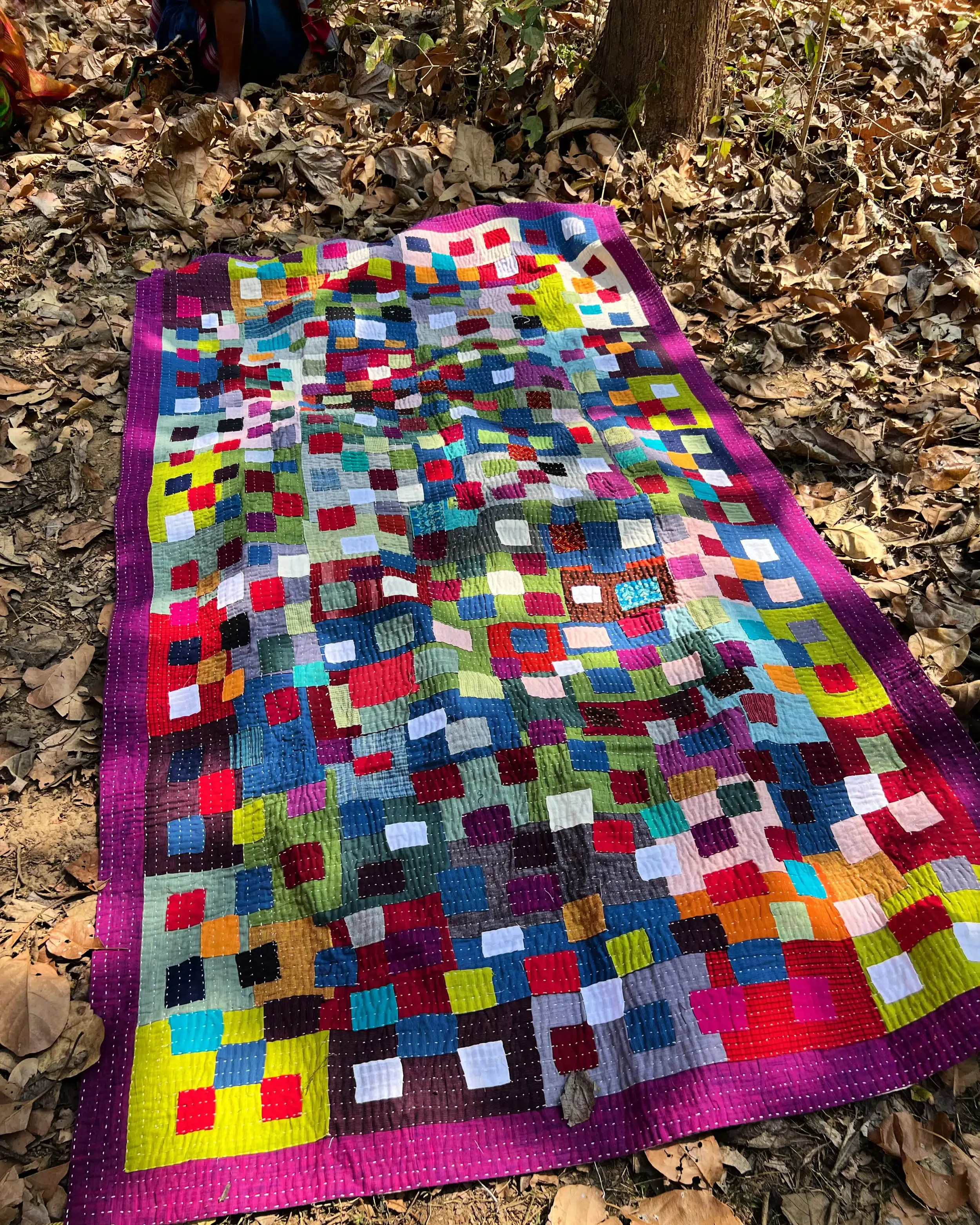
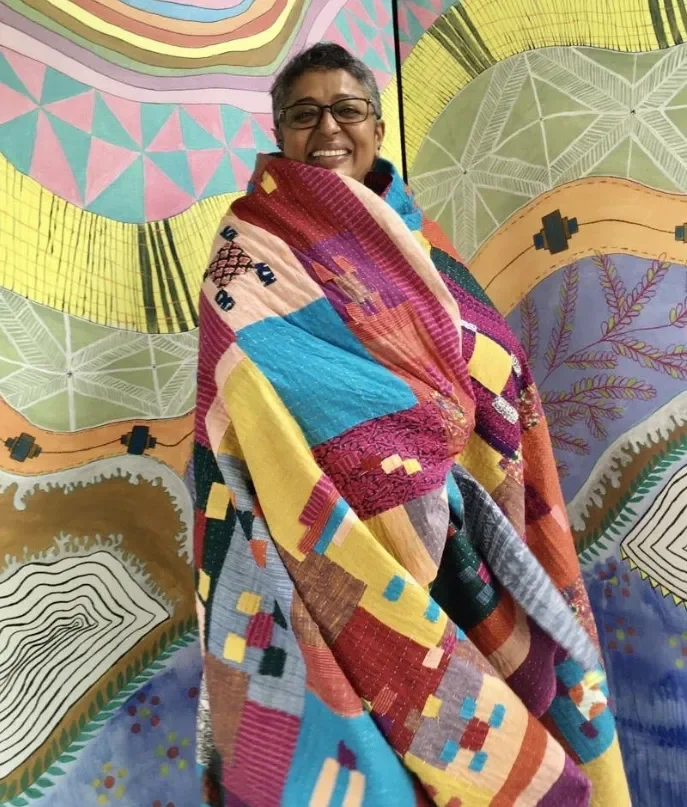
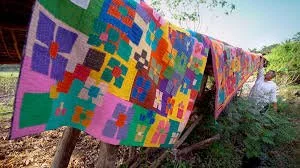
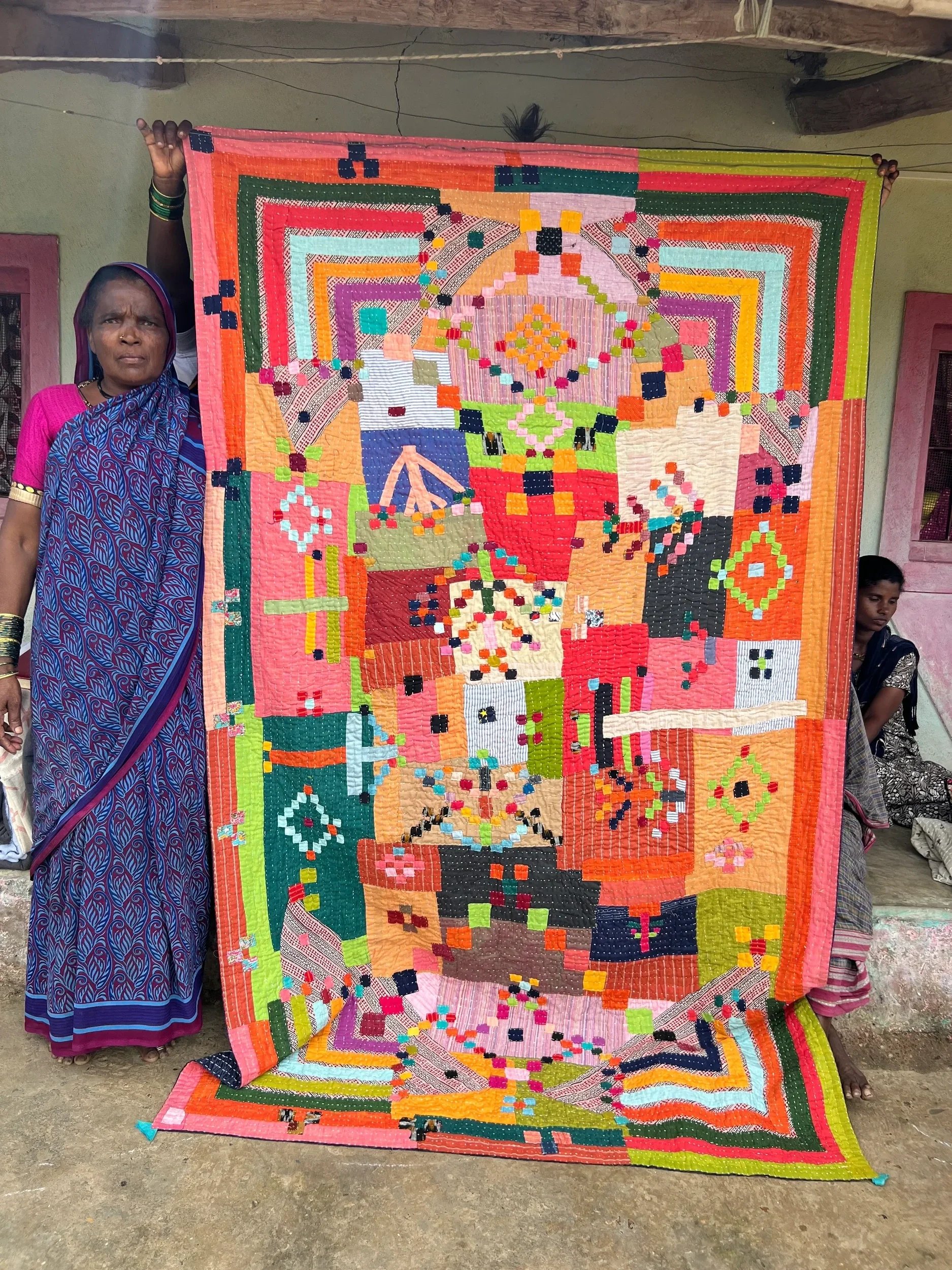
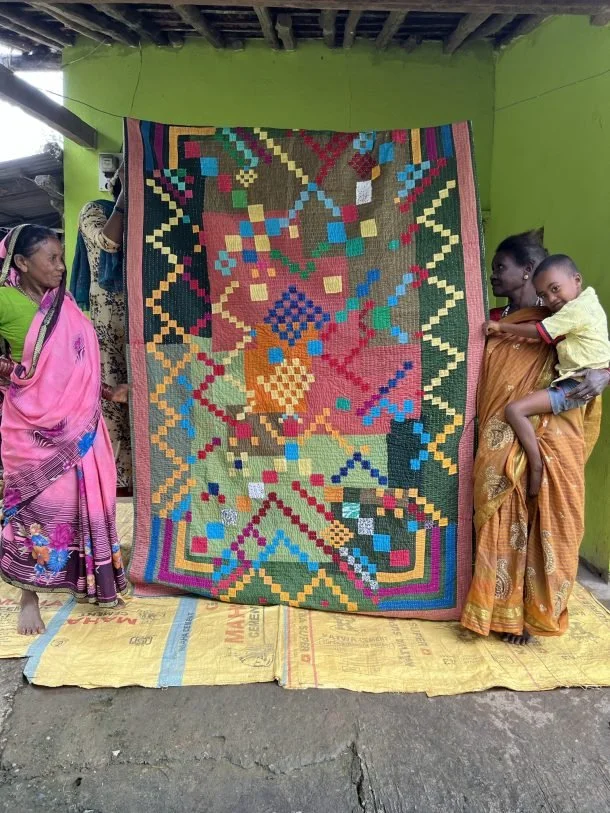
Living heritage; documented provenance; fair pay; durable construction; care instructions centre family/planet values. Afro-Indian quilting tradition built from reclaimed saris; lineage + circularity + cooperative compensation.
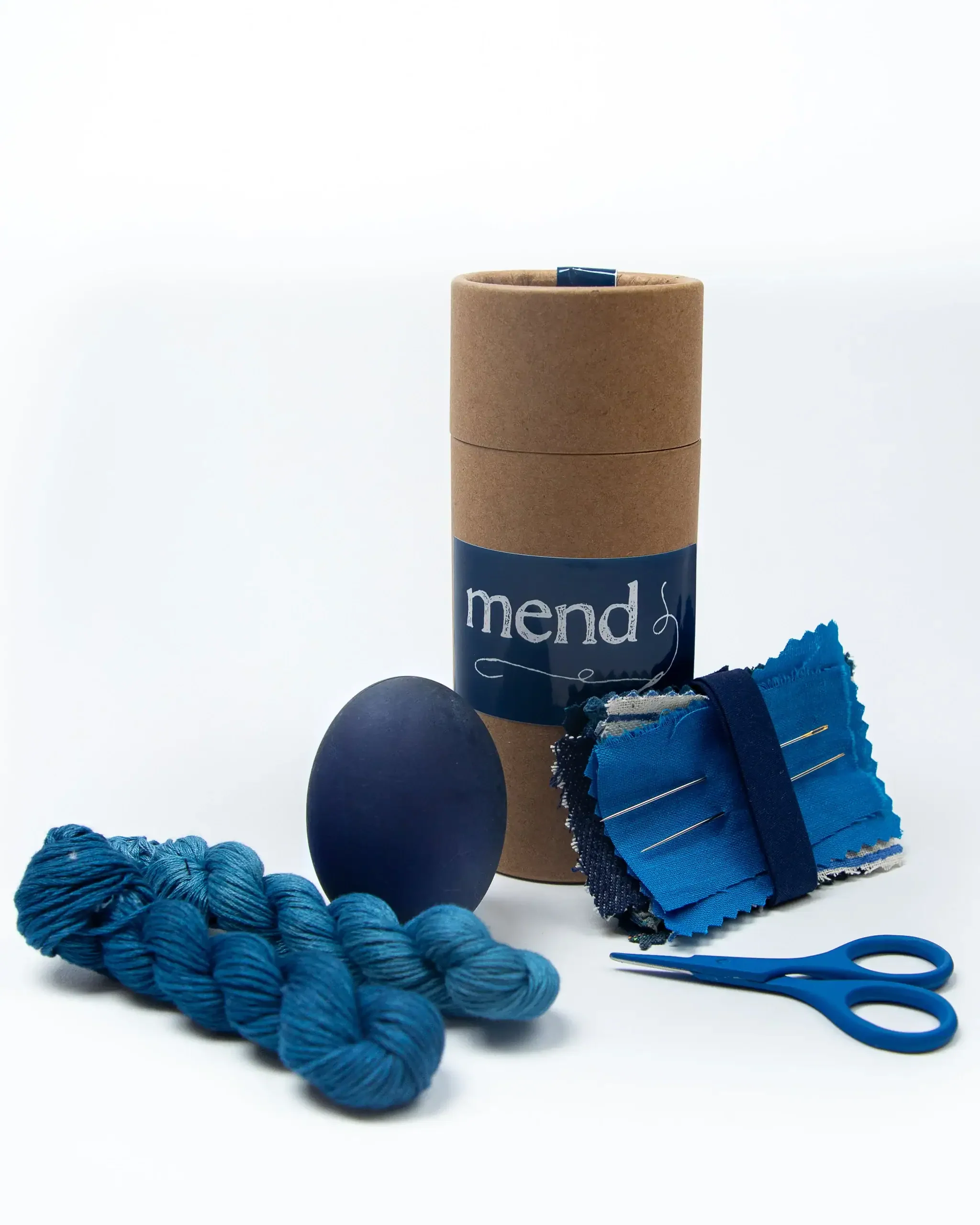
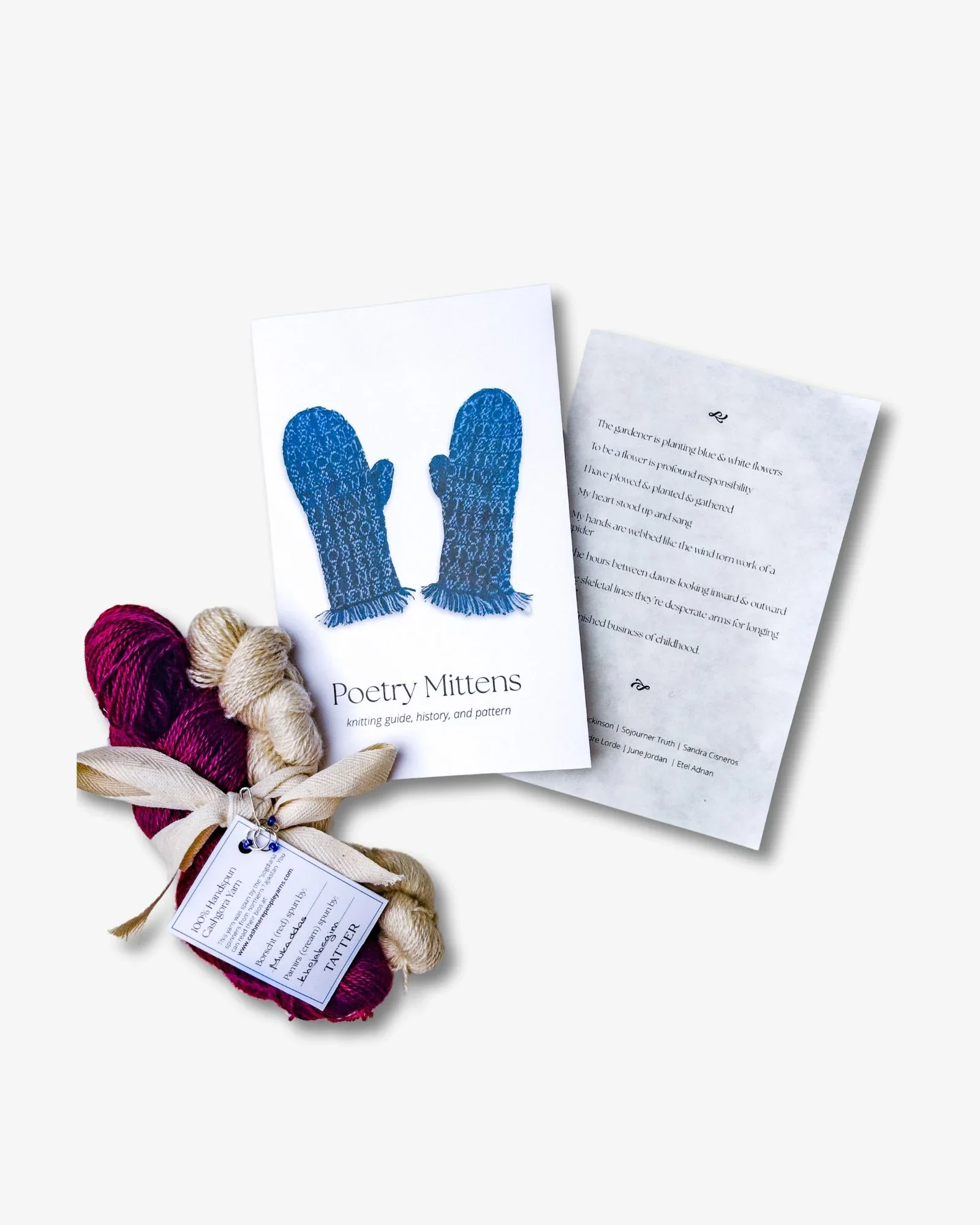
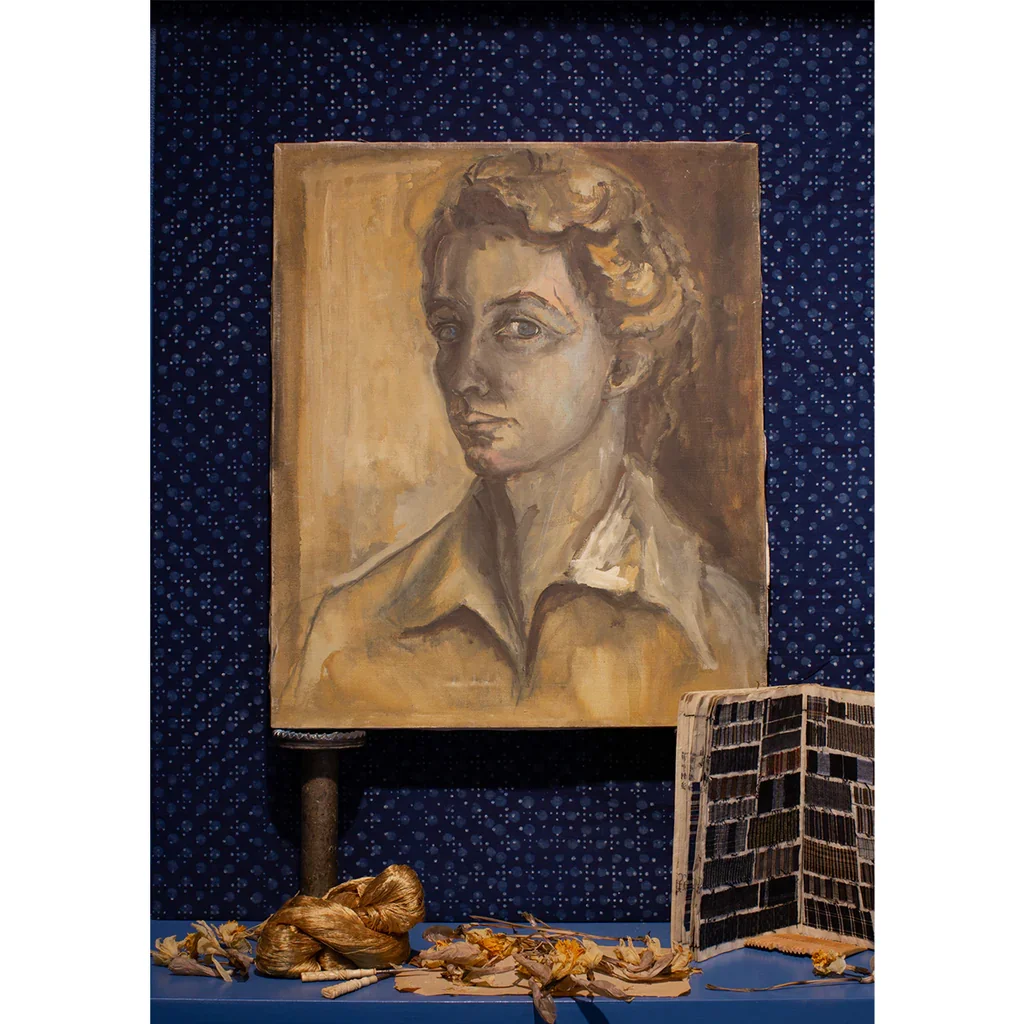
Tatter Blue Library
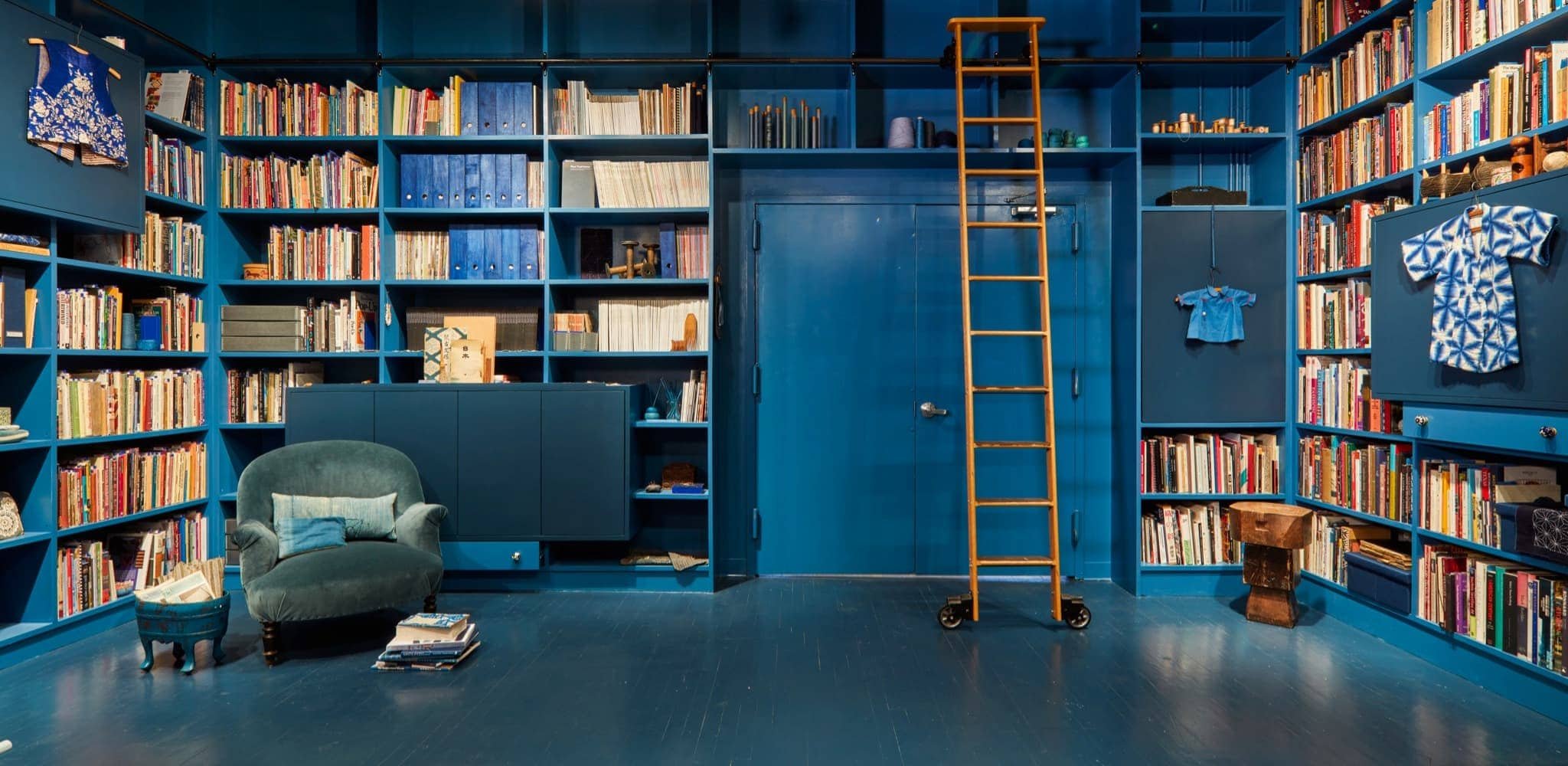
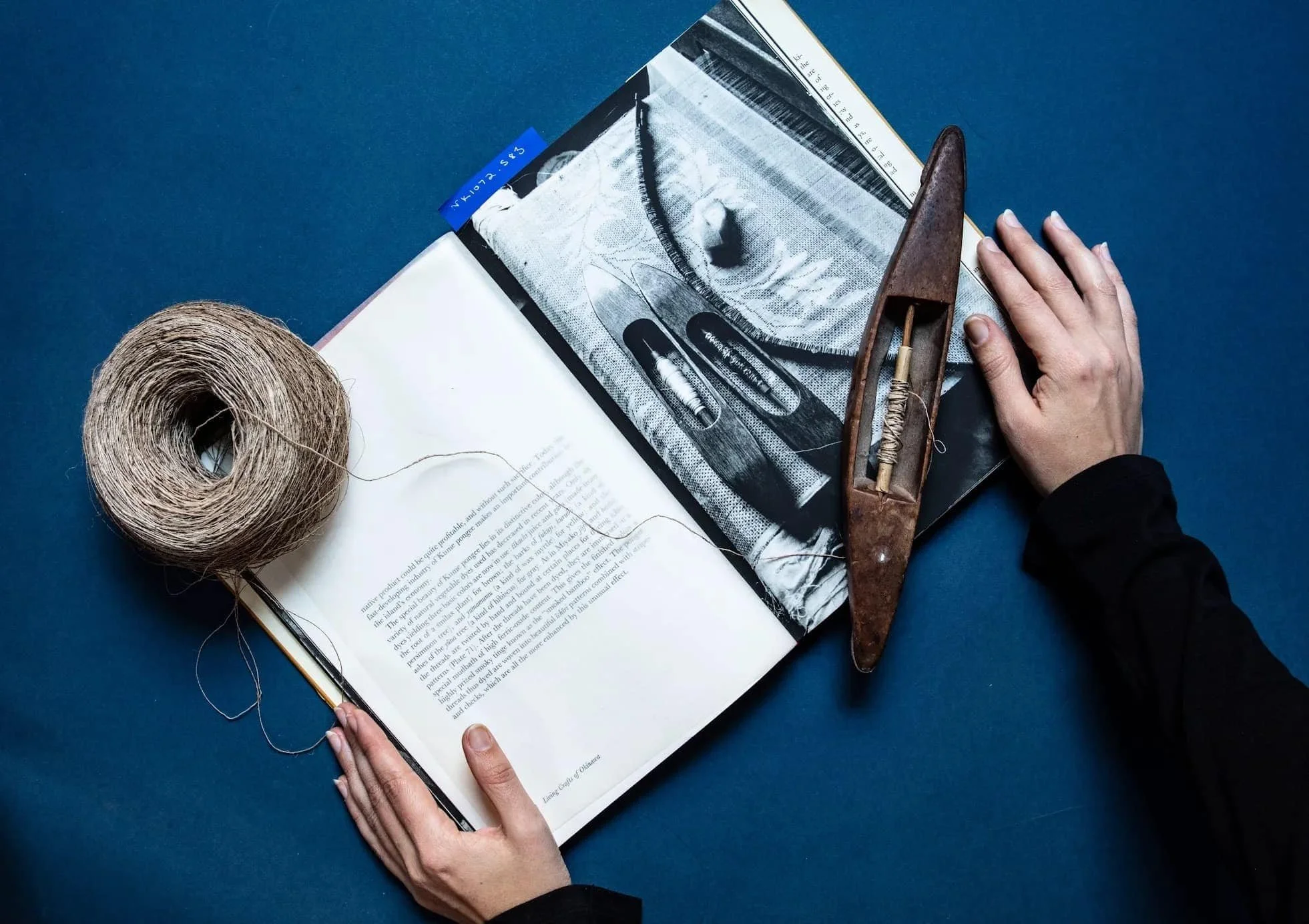
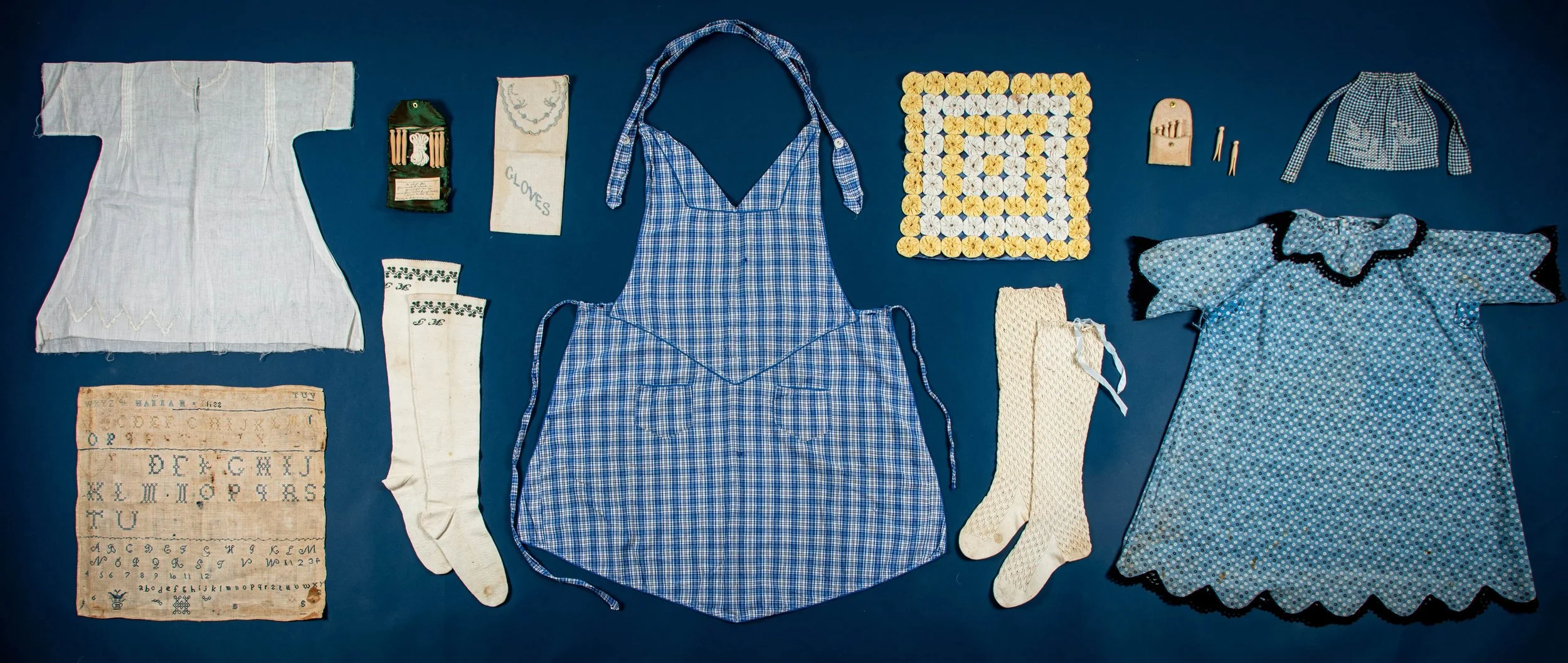
Textile culture as knowledge infrastructure—archiving, education, exhibitions.
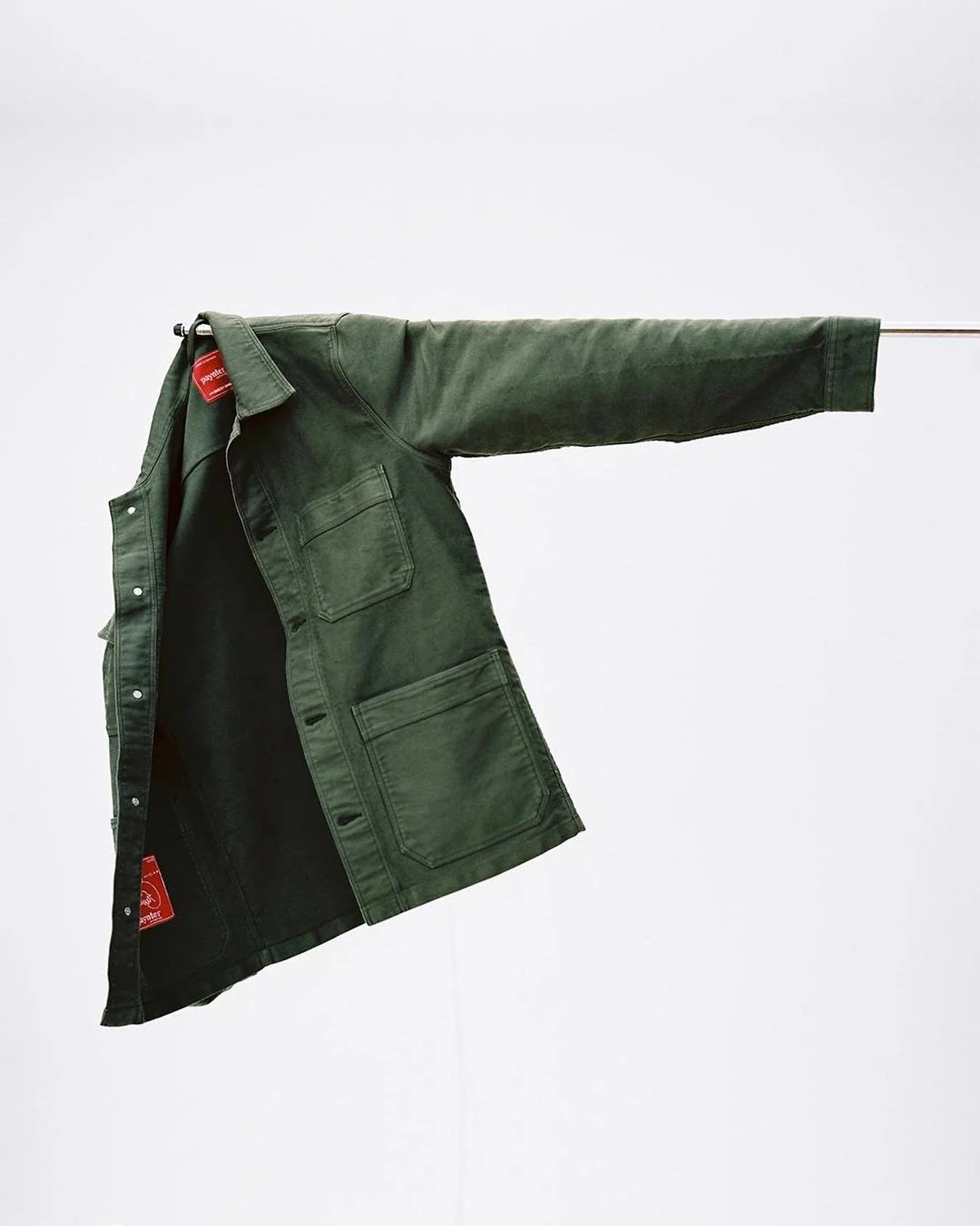
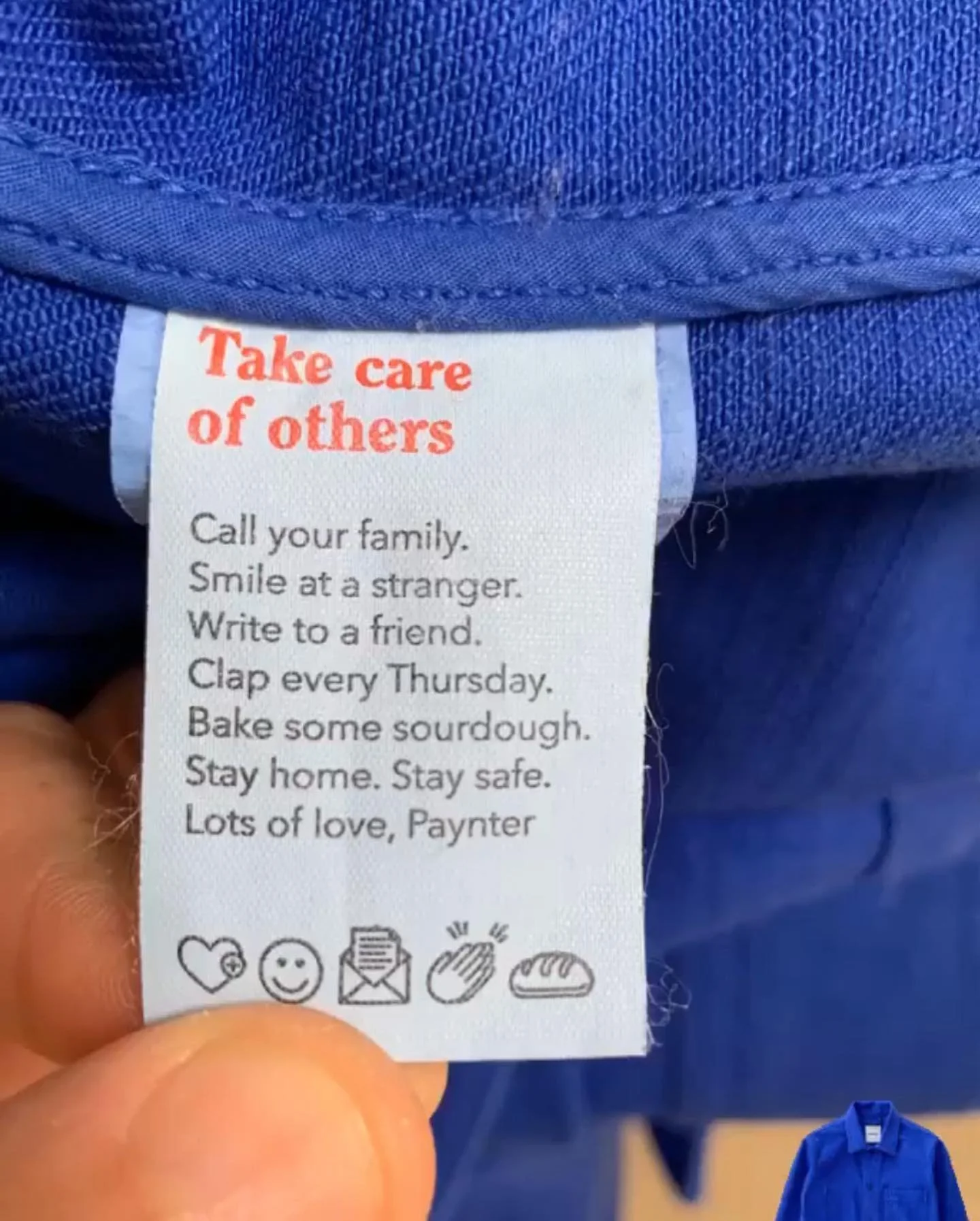
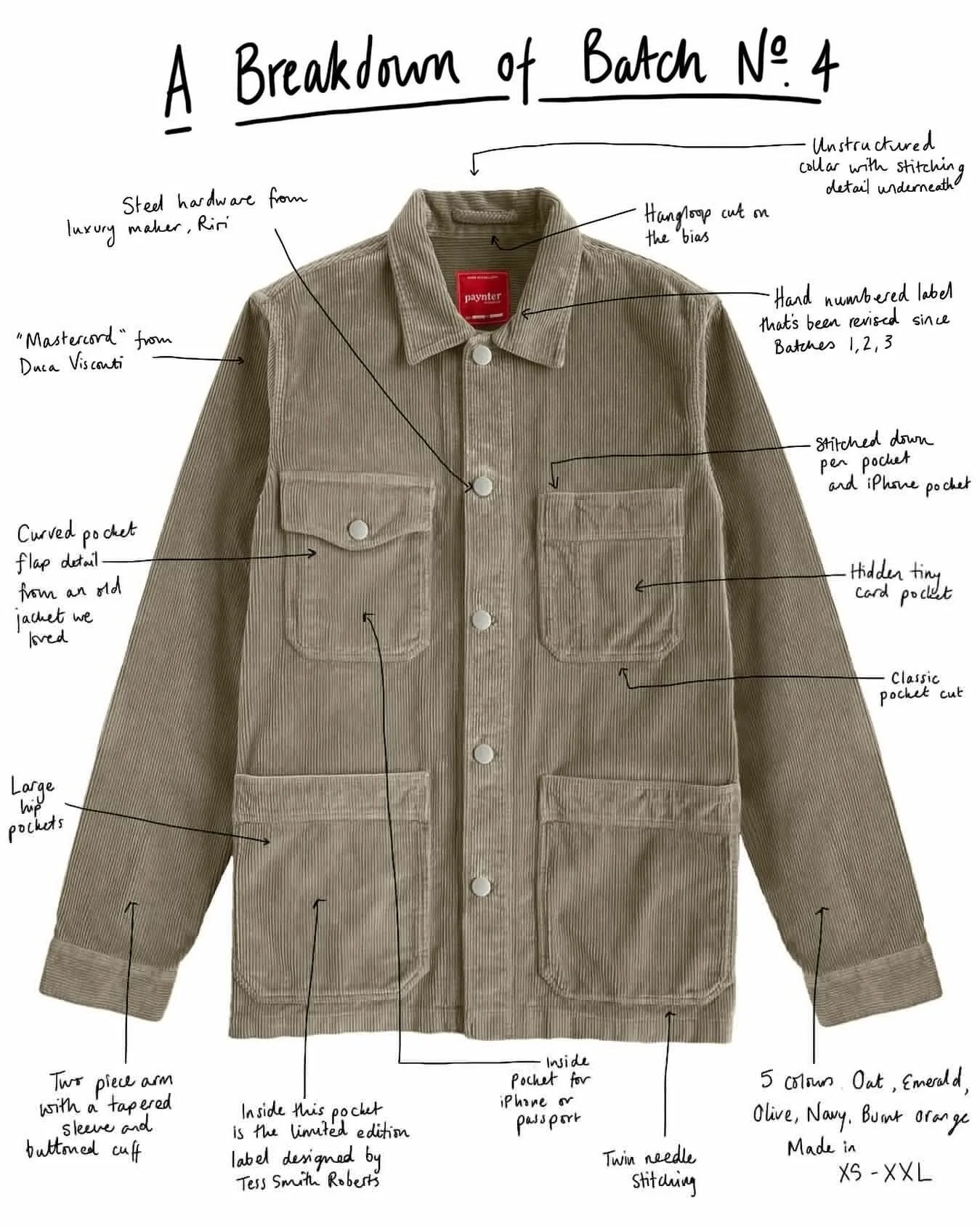
Paynter Jackets
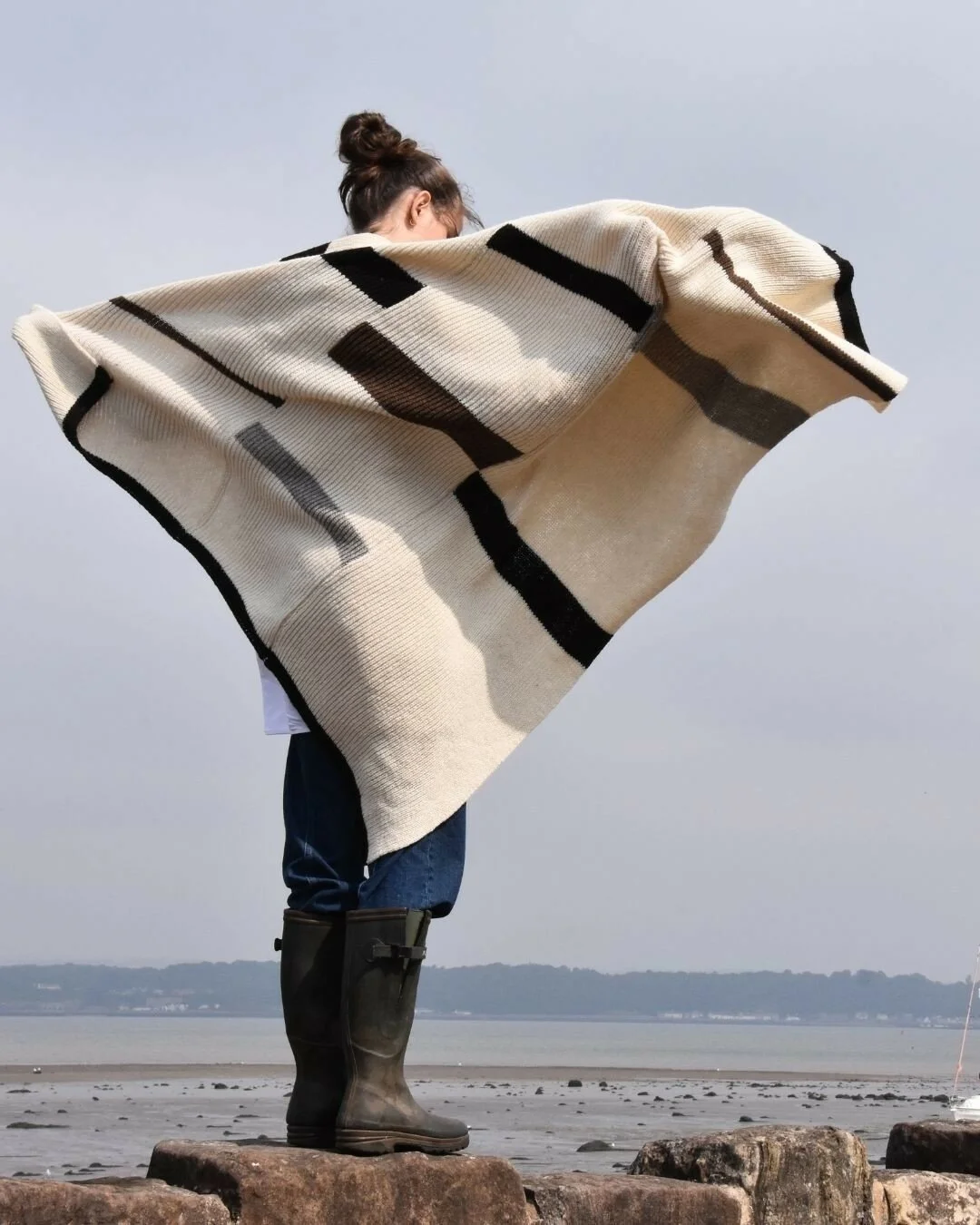
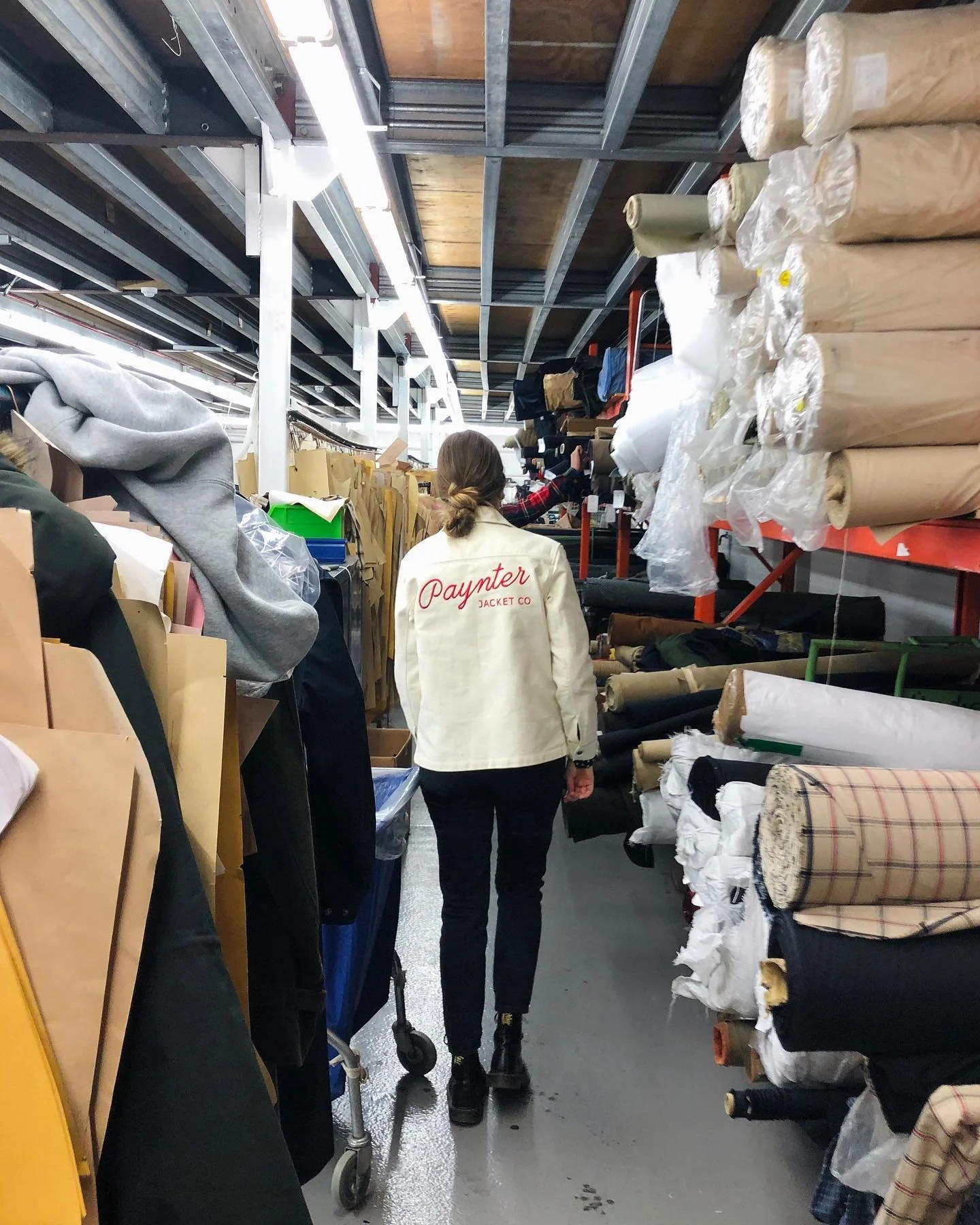
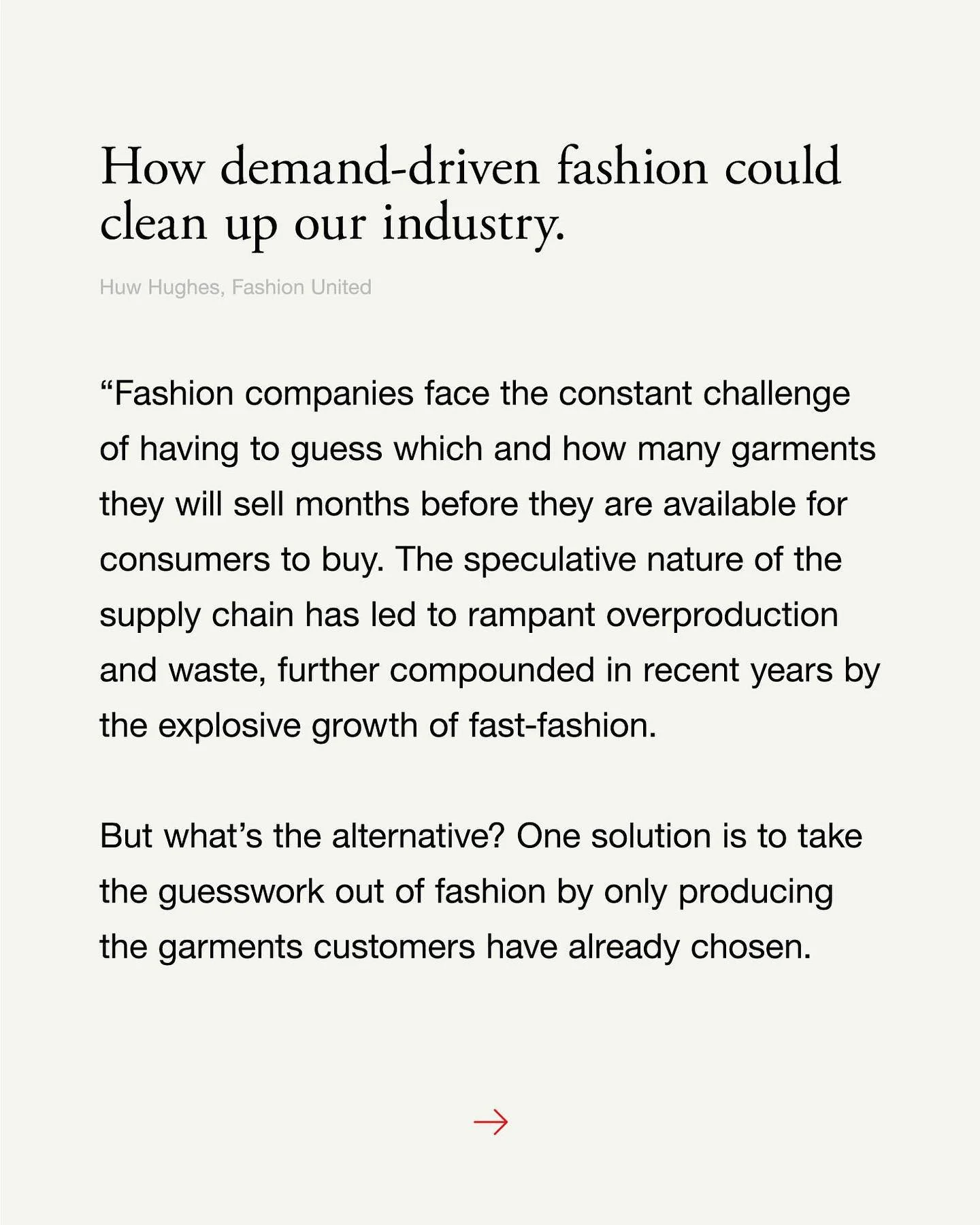
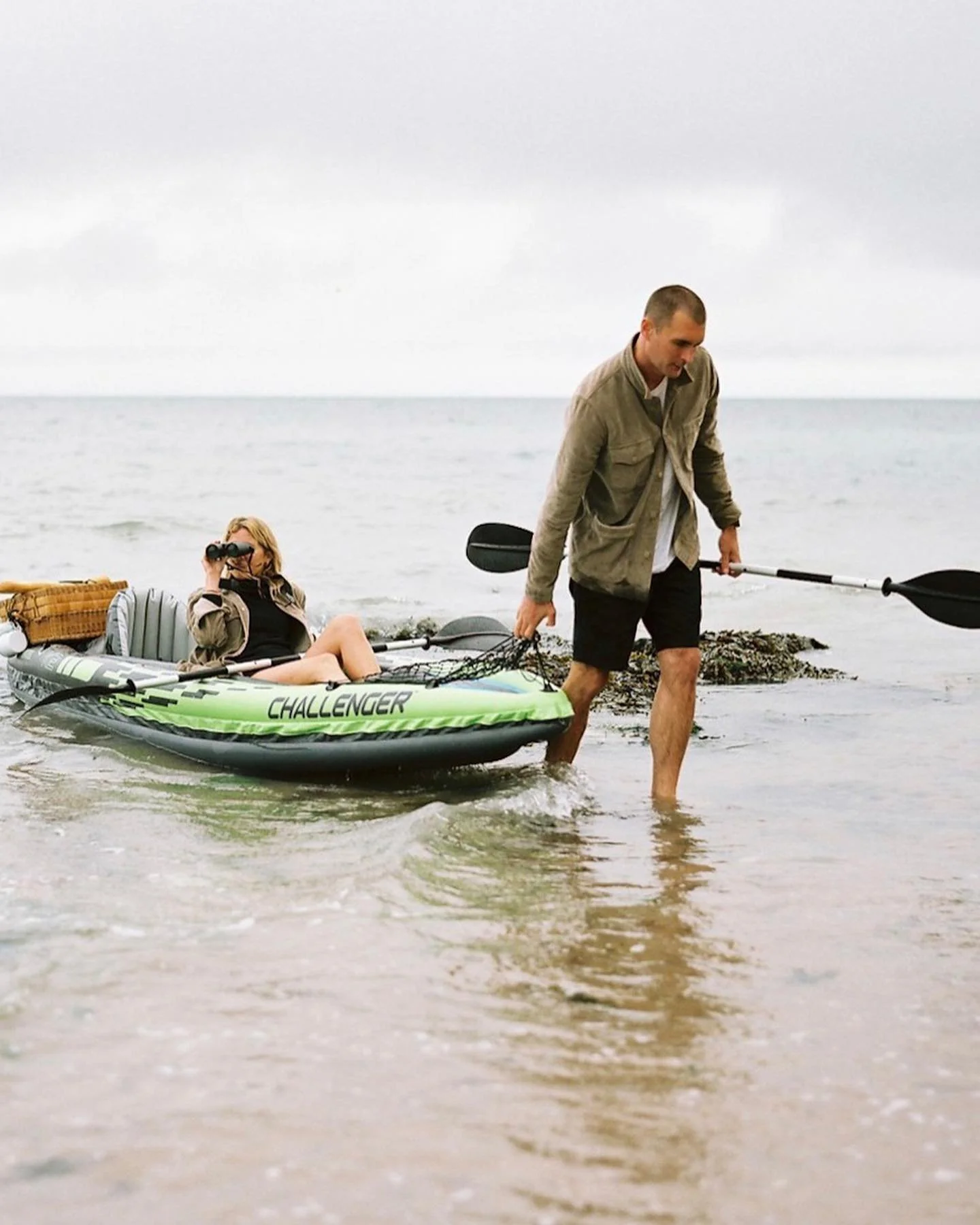
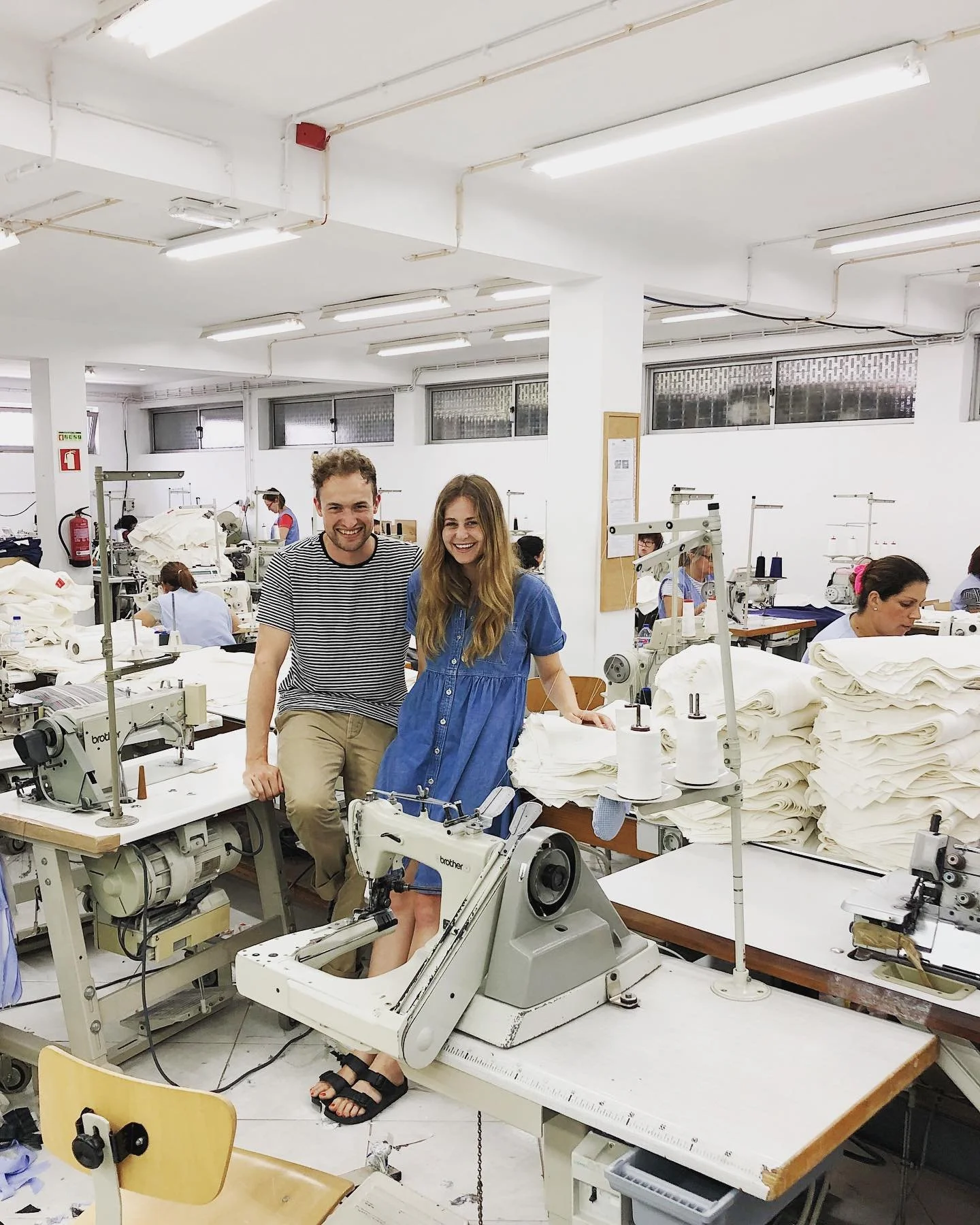
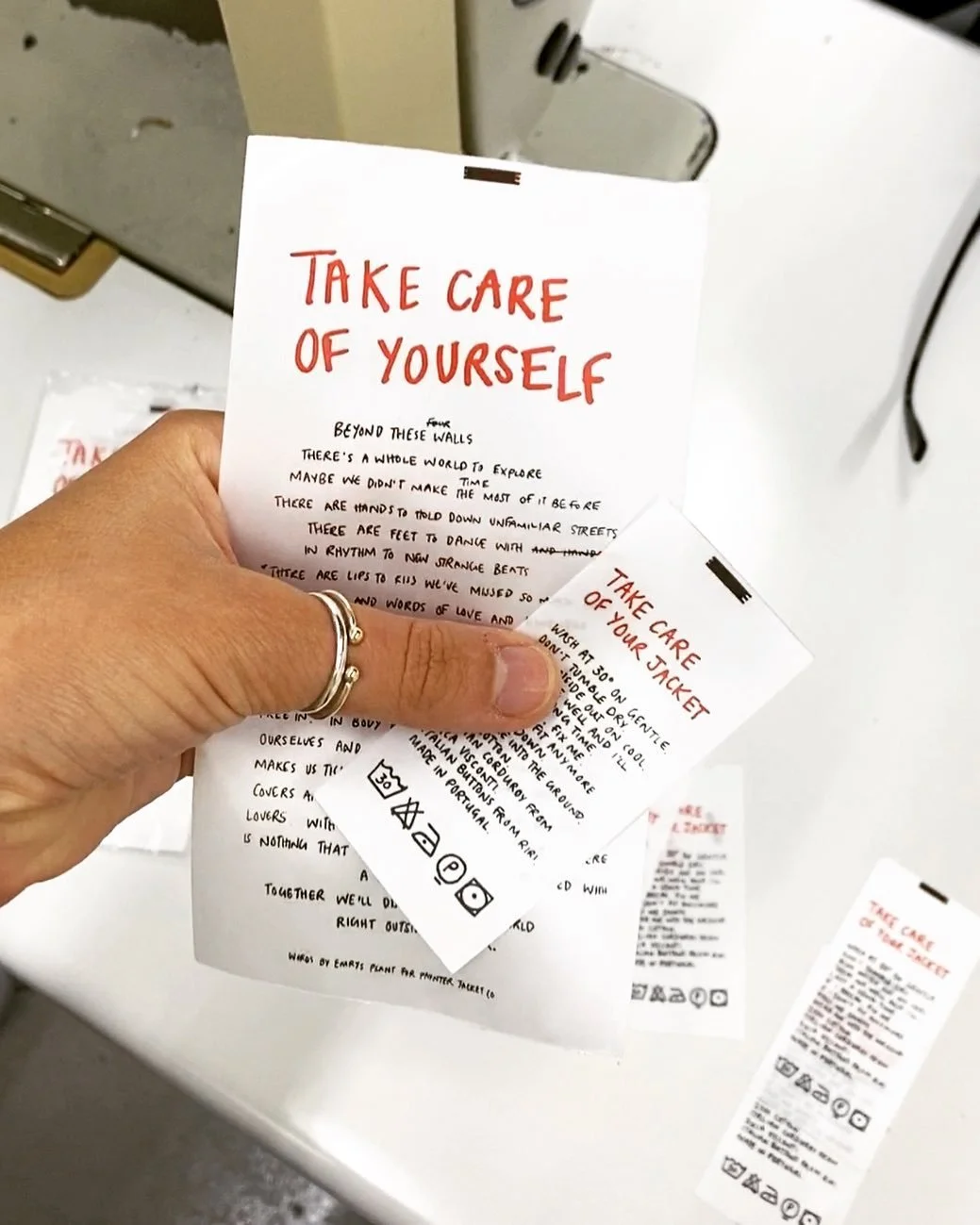
“right-production”: limited, pre-ordered; transparent timelines; repair guidance; community-led drops.


Homework
Exercise 1: Benchmarking — Map Your Brand Universe
Choose 5–10 brands that live in (or near) your brand’s universe. Explore their positioning, assortment logic, pricing, materials, provenance proof, community, and tone across their website and social.
Deliverable: a short document that explains where each brand overlaps with your universe and how you diverge. Aim for clarity, not quantity.
Benchmarking is comparing your processes and performance metrics to best-practice companies to learn the systems that make them successful. It’s not a one-off; treat it as a continuous process.
Exercise 2: Competitor Lens
Pick three brands closest to you. Compare product cues, materials, proof of provenance, voice, community strategy, pricing, and service. Where do you stand apart? Where will you lean in?
Exercise 3: Digital Storytellers
Compare two creators/brands who tell their story exceptionally well through short video or lives. What specific formats, cadence, and proof tactics could you adapt?
Close
Re-state your purpose and the proof you’ll show. Commit to one craft-powered action for your next launch (repair service; maker credits by name; product passport pilot; preorder timeline; care guides).